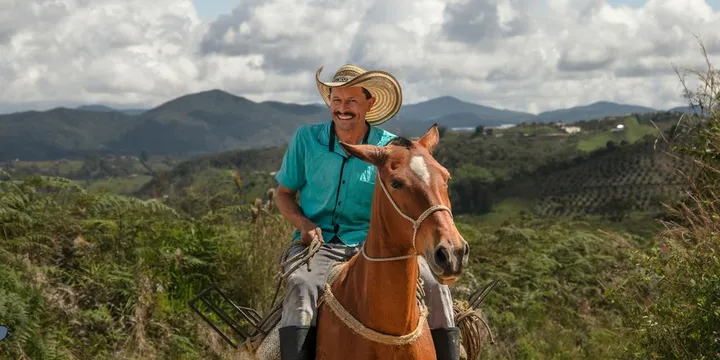
Juan Valdez and the FNC: How Colombia Branded Its Coffee (1927–2026)
How the Federación Nacional de Cafeteros, Doyle Dane Bernbach, and a fictional Andean farmer turned anonymous Colombian beans into the only branded commodity in coffee history.
Where coffee comes from — regions, farms, terroir, and the people who grow it.
How the Federación Nacional de Cafeteros, Doyle Dane Bernbach, and a fictional Andean farmer turned anonymous Colombian beans into the only branded commodity in coffee history.
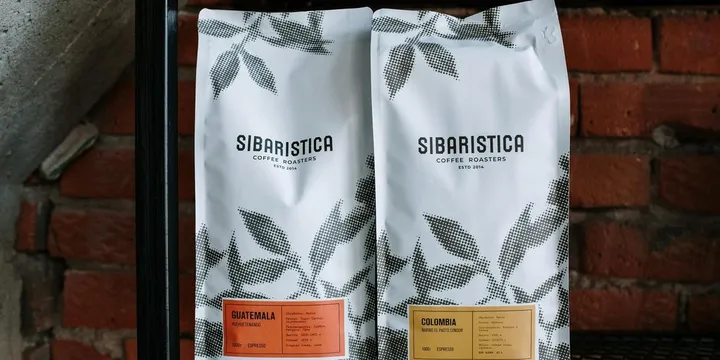
Stumptown and Blue Bottle are the two anchor third-wave roasters in America. We compare history, flagship blends, roast style, pricing, and ownership in 2026.
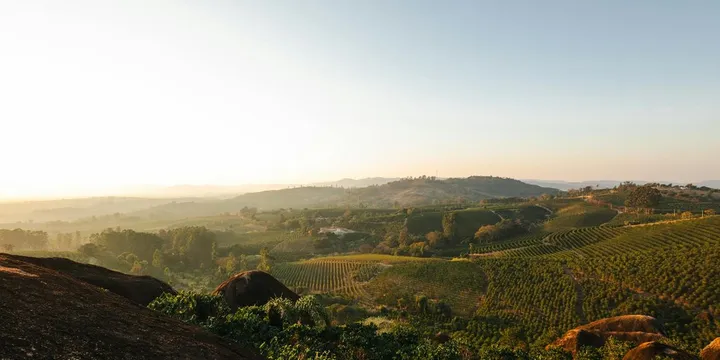
How Brazil became the world's coffee superpower — Palheta's 1727 smuggle, slavery and colonos, the 1906 valorization, and Vargas's 78 million burned bags.
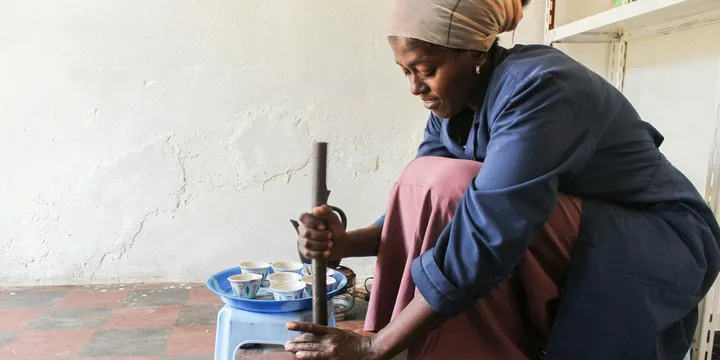
What actually happens during an Ethiopian coffee ceremony — the three rounds (abol, tona, baraka), the jebena clay pot, regional spices, and the deep history behind the ritual that anchors social life across Ethiopia.
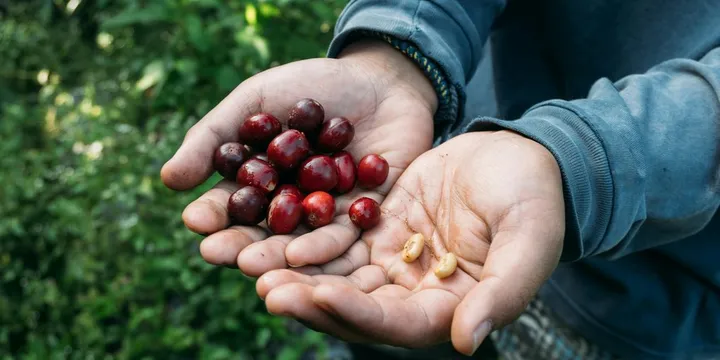
Once overshadowed by Kona, Ka'u has become Hawaii's specialty coffee frontier — known for honey-process, carbonic maceration, and Wood Valley's high-altitude farms. A complete guide to the region, its producers, and how to taste it.
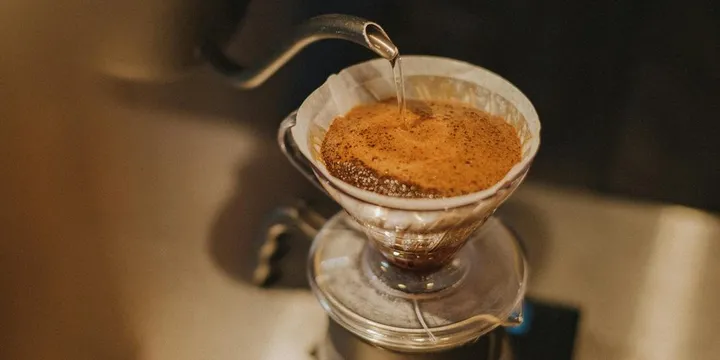
The 12 most important specialty coffee cities — Melbourne, Tokyo, Oslo, Stockholm, Copenhagen, Berlin, London, Portland, Seattle, San Francisco, New York, Seoul. Anchor roasters, signature styles, and what to order.
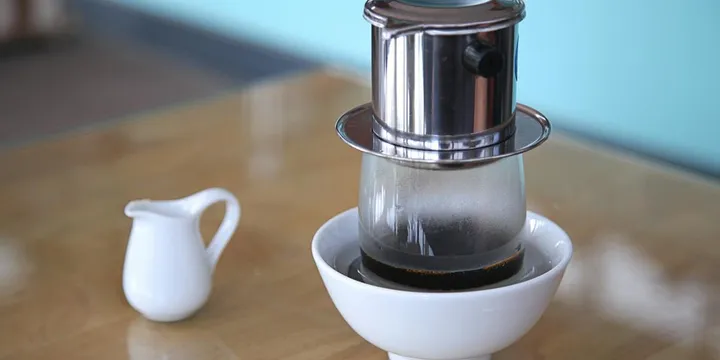
Vietnam is the world's second-largest coffee producer — and barely grew coffee before the 1990s. This guide covers Vietnam's production history, growing regions, flavor profiles, specialty movement, and the Robusta question.
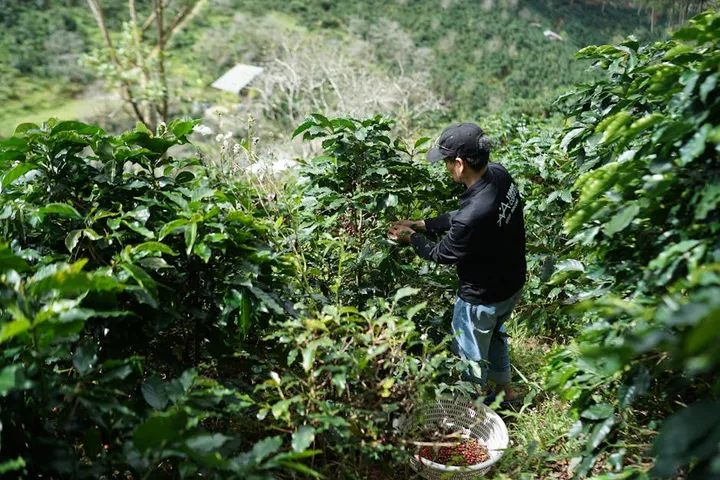
Bolivia produces a tiny fraction of the world's coffee, but its high-altitude Yungas region grows some of the most distinctive beans on Earth. Discover why Bolivian coffee is specialty's best-kept secret.
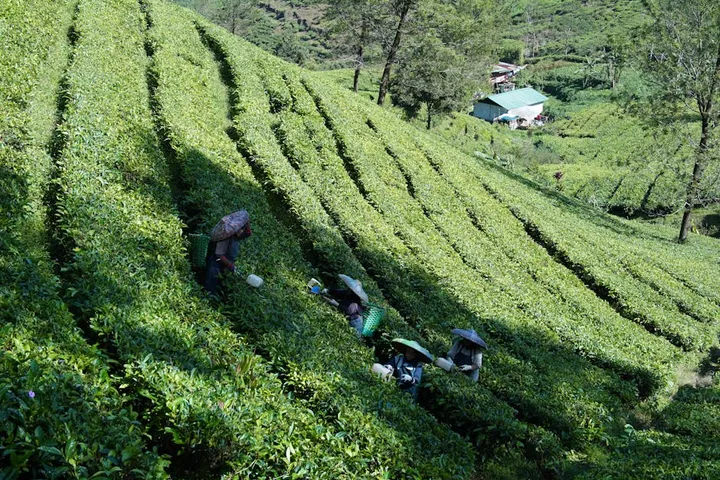
Yes, China grows coffee -- and Yunnan province is producing increasingly impressive specialty beans. Explore the surprising quality, the pu-erh tea terroir crossover, and the massive potential of Chinese coffee.
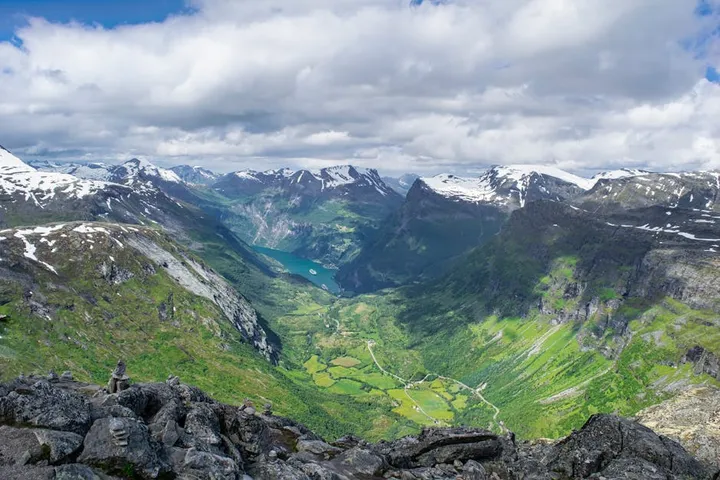
Why high altitude coffee tastes different, what SHB means, how latitude changes everything, and origin-by-origin altitude ranges. The science and practical reality of elevation's role in coffee flavor.
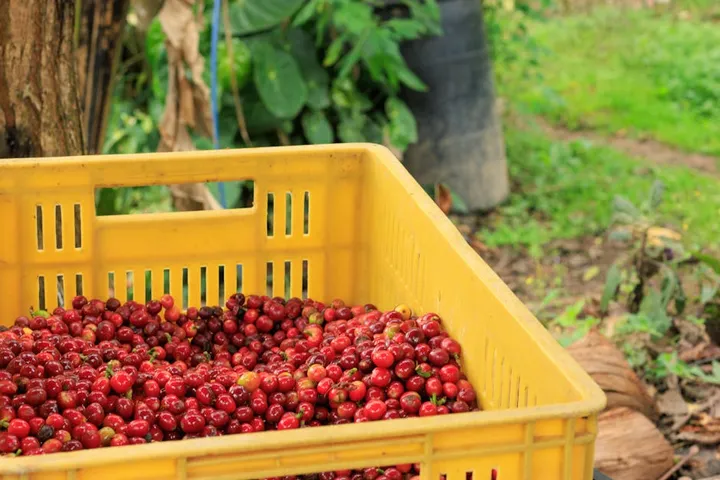
A country-by-country guide to coffee harvest seasons, processing timelines, and arrival windows. Learn when to buy each origin for peak freshness and how to keep fresh coffee in your rotation year-round.
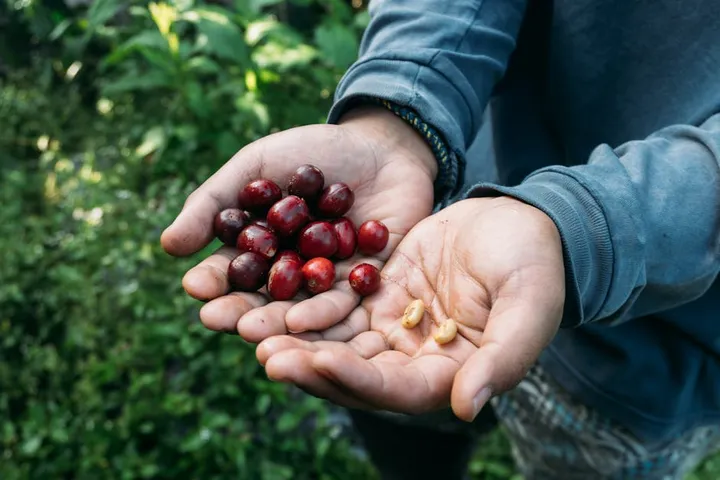
A complete guide to coffee varietals and cultivars. Learn what SL28, Bourbon, Gesha, Caturra, and Catimor actually taste like, how they're related, and why the variety on your bag matters — but not always as much as you think.
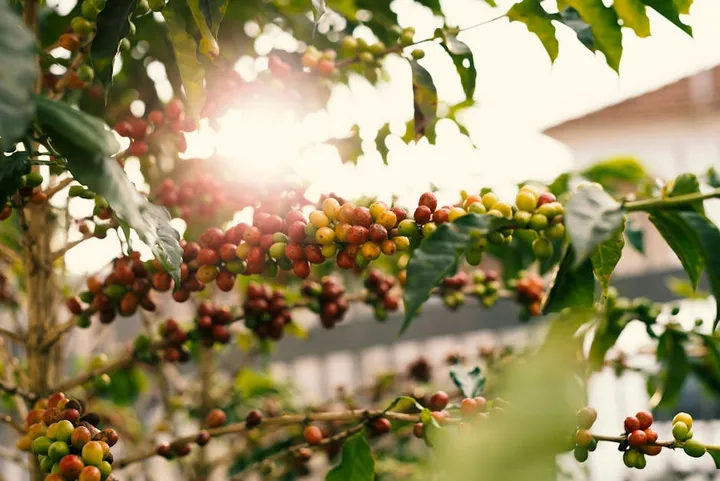
Bourbon, Typica, Geisha, Catimor, SL28 -- coffee variety names show up on every specialty bag. Here's what they actually mean, where they came from, and why they matter for flavor.
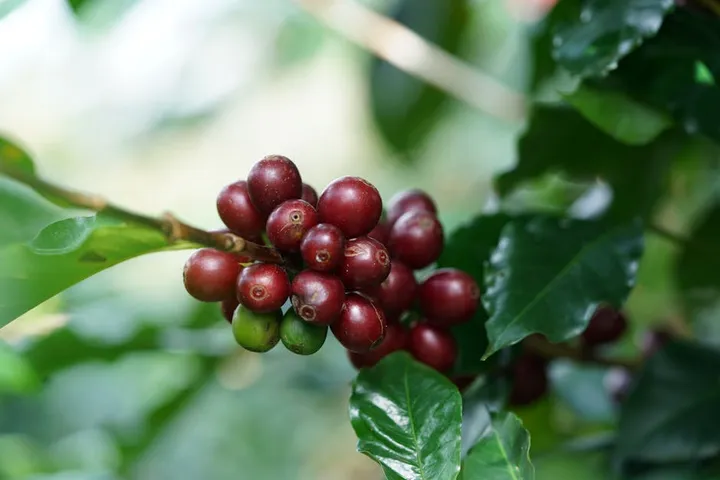
El Salvador's Pacamara variety produces some of the most distinctive specialty coffee in Central America. Explore the country's Bourbon heritage, volcanic terroir, and why its civil war accidentally preserved world-class coffee genetics.
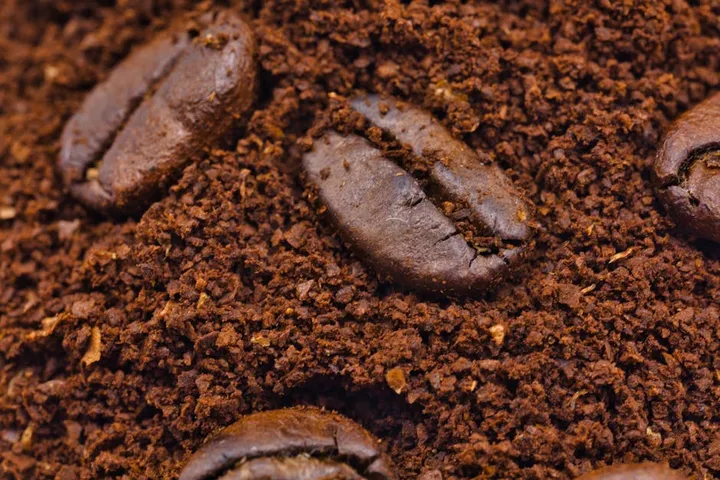
The real story behind coffee's most expensive variety — where Gesha comes from, why it costs so much, what it actually tastes like, and when it's worth buying versus when you're just paying for the name.
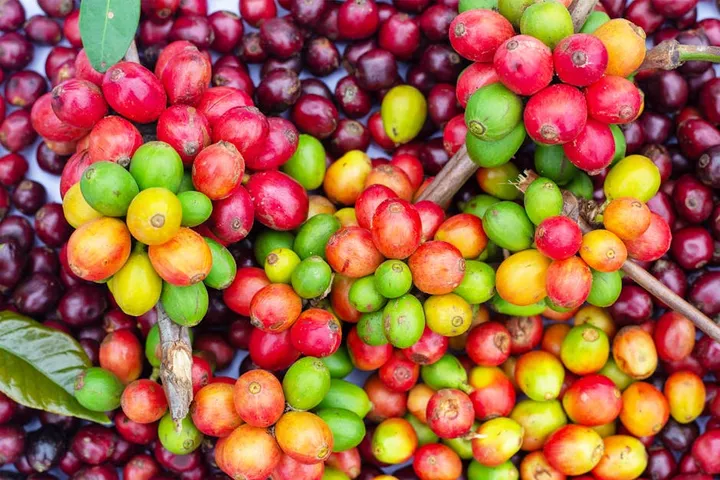
Honduras is the largest coffee producer in Central America, yet most people can't name a single Honduran coffee. Explore Marcala, Comayagua, and 6 regions producing exceptional specialty beans.
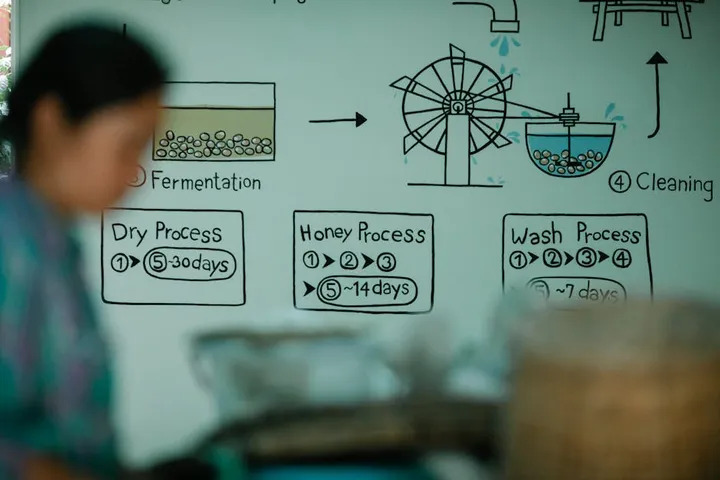
What the color labels on honey-processed coffee actually mean — how mucilage percentage, drying time, and fermentation activity create a spectrum from clean and bright to rich and fruit-forward.
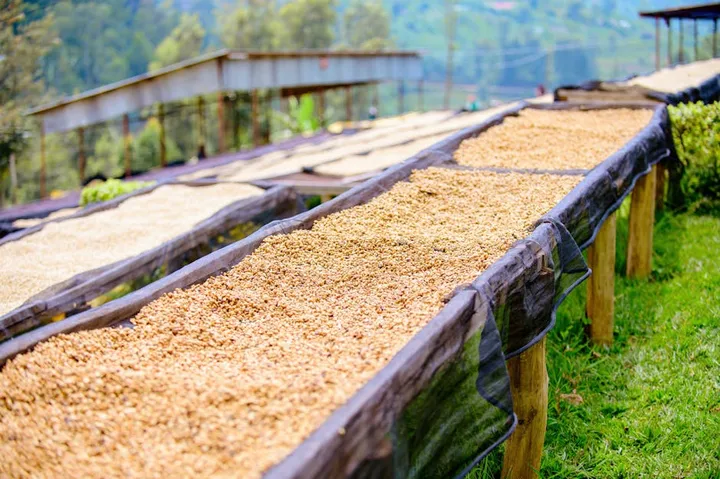
Malawi produces some of Africa's most delicate, tea-like specialty coffee — and almost nobody knows about it. Explore the Mzuzu highlands, Misuku Hills, and why this tiny origin deserves your attention.
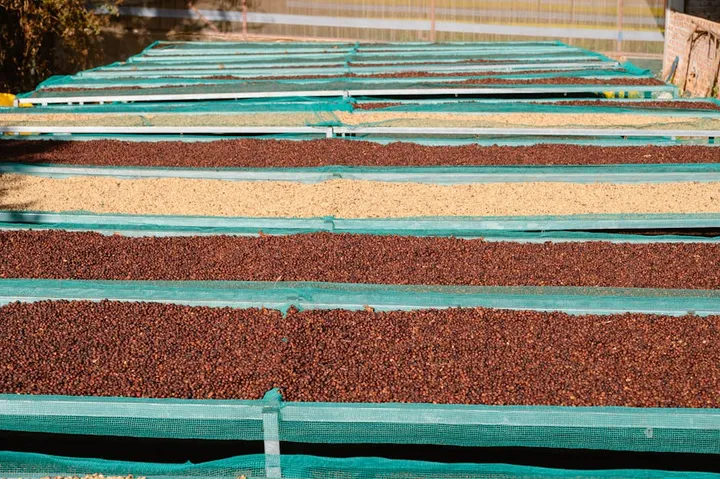
Myanmar is one of the newest and most intriguing origins in specialty coffee. Discover Shan State's savory, umami-forward cups and why this Southeast Asian country is a frontier worth watching.
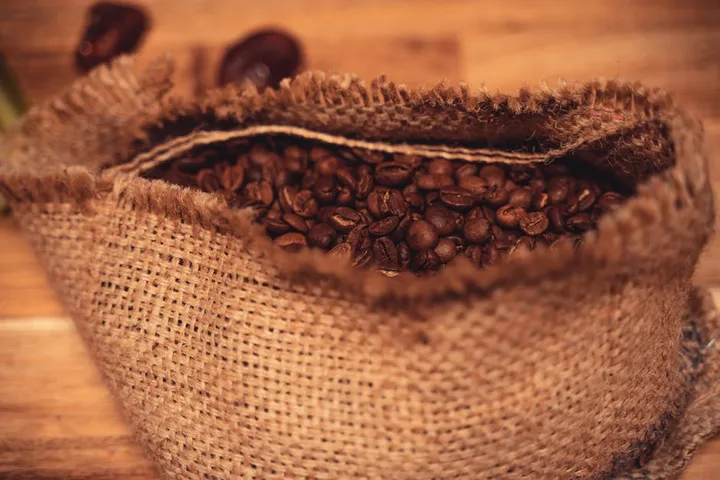
Discover why Panama produces the world's most celebrated coffees. From the legendary Geisha variety to Boquete's volcanic terroir, explore Panama's regions, flavors, and best coffees to buy.
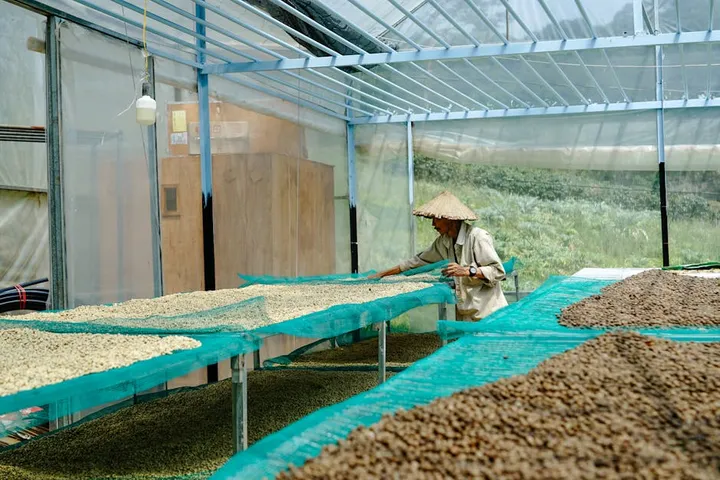
Peru is the world's largest organic coffee producer and one of specialty's best-kept value plays. Explore Chanchamayo, Cajamarca, and why Peruvian beans deliver remarkable quality for the price.
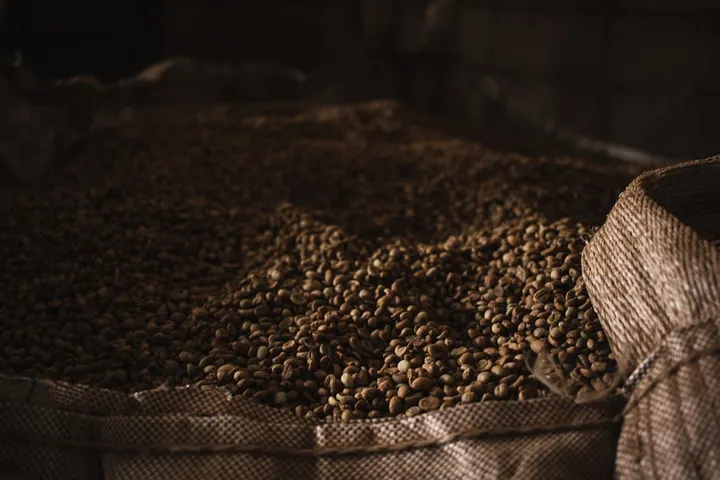
Yemen is where the global coffee trade began. Discover why Yemeni coffee -- with its ancient heirloom varieties and wild, wine-like flavors -- is one of the rarest and most distinctive origins on Earth.
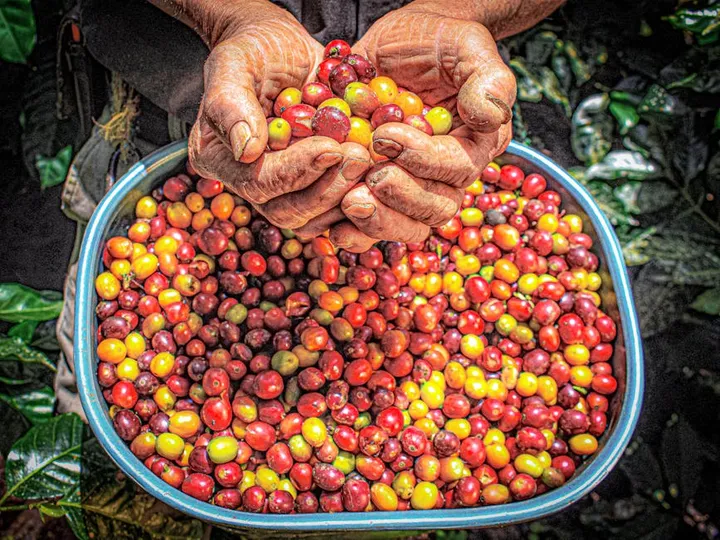
Ethiopian coffee says 'heirloom varieties' but what does that mean? We break down JARC selections like 74110, 74112, and how to choose.
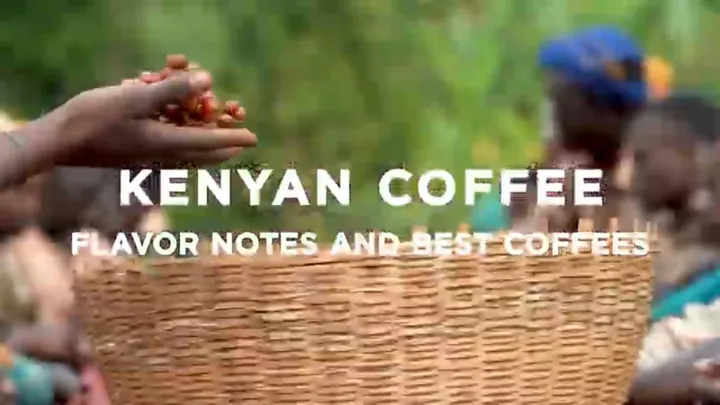
Kenyan coffee is renowned for its bright acidity, complex berry notes, and wine-like finish. Discover what makes it special and the best Kenyan coffees to try.
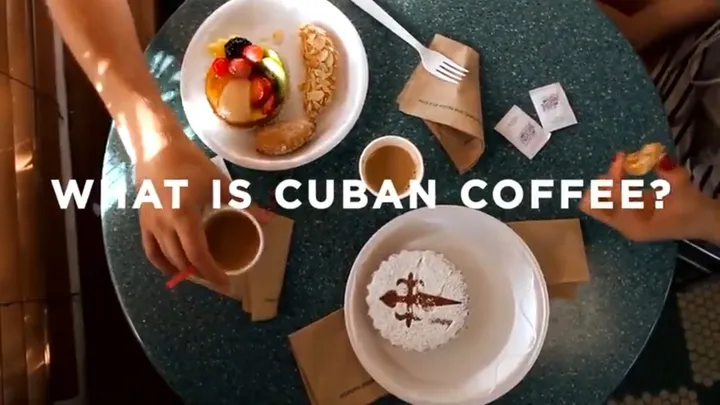
Cuban coffee is a shot of moka pot espresso whipped with sugar to create espuma. Here's the history, the technique, and how to make it at home.
Explore Guatemala's eight coffee growing regions, their unique flavor profiles, and our ranked reviews of the best Guatemalan coffees you can buy online.
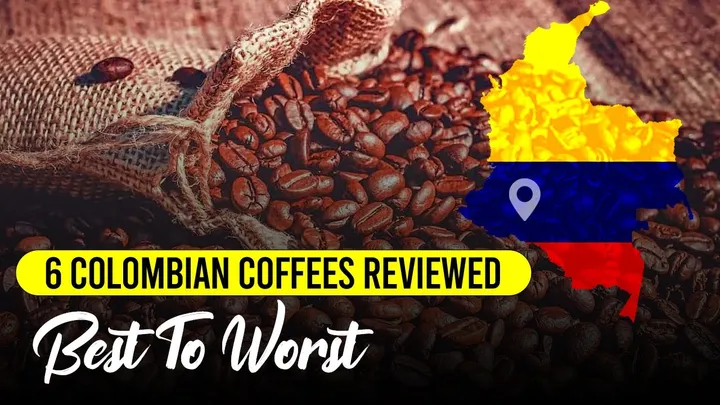
We taste-tested six Colombian coffees and ranked them from best to worst. Find out which Colombian beans deliver on flavor and which ones to skip.
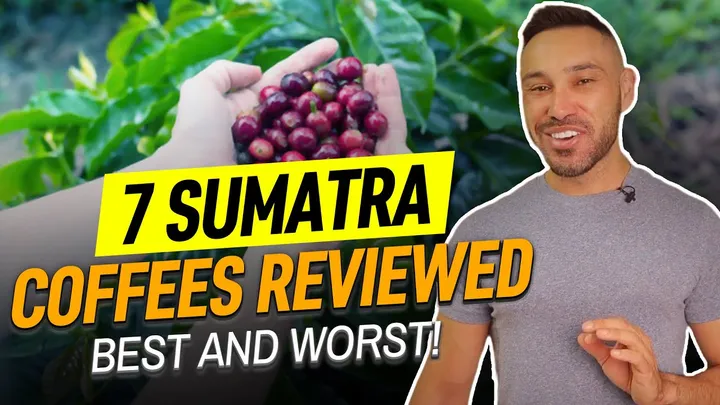
We blind-tasted seven Sumatran coffees and ranked them from best to worst. Learn what makes Sumatra taste so different and which beans are worth buying.
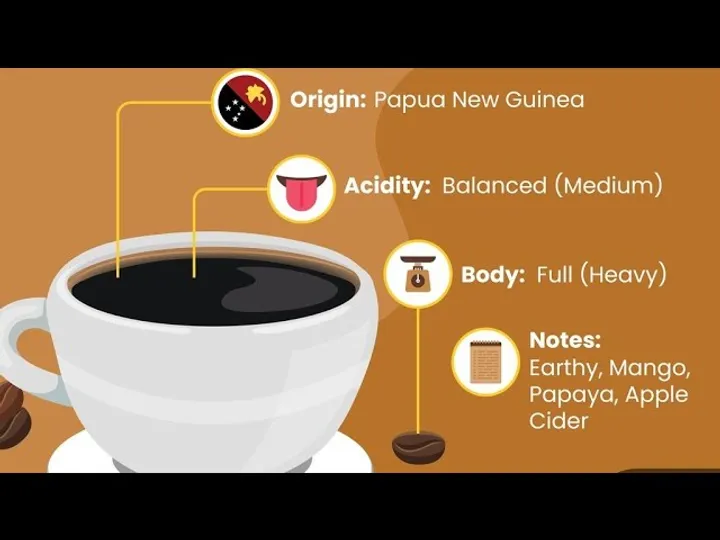
Papua New Guinea produces some of the world's best high-grade coffee with sweet, fruity flavors and an earthy finish. Here's what you need to know about PNG beans.
Mexican coffee offers nutty flavors, chocolate undertones, and mild caramel sweetness. Explore the three main growing regions of Chiapas, Veracruz, and Oaxaca.
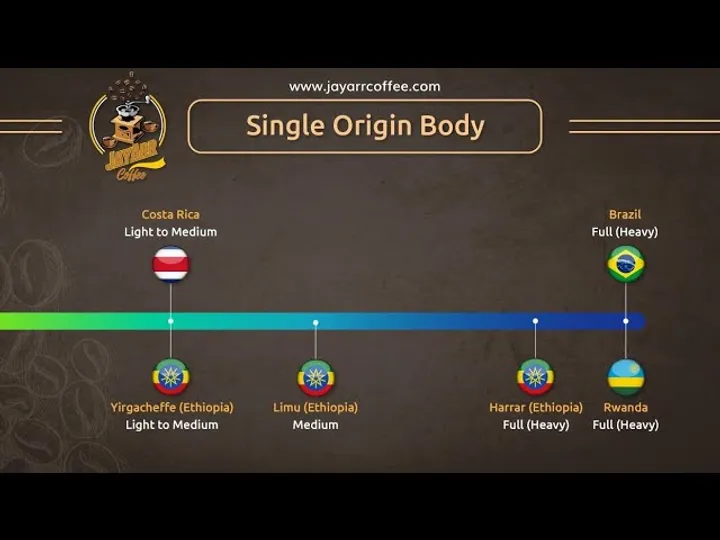
Explore single origin coffees from Brazil, Ethiopia, Costa Rica, and Rwanda. Learn what makes each origin unique, their flavor profiles, and why single origin coffee is worth trying.
Discover how Rwanda transformed its coffee industry from low-grade exports into world-class specialty coffee. Learn about Rwandan coffee's unique flavor profile and inspiring origin story.
Costa Rica produces some of the world's finest single origin coffee. Explore its growing regions, flavor profiles, and brewing tips for the perfect Costa Rican cup.
From $40/lb to over $1,000/lb — the world's priciest coffees, what actually makes them expensive, and whether the cup quality justifies the cost.
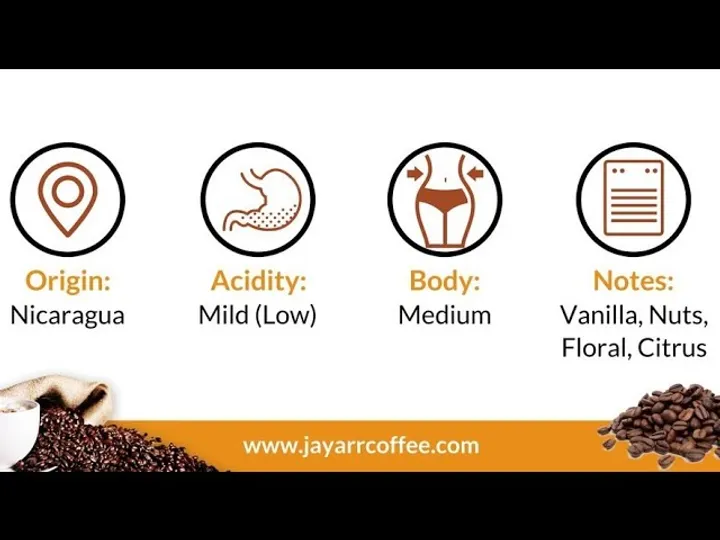
Nicaragua is the 12th largest coffee-producing country in the world. Here's what Nicaraguan coffee tastes like and why it's worth seeking out.
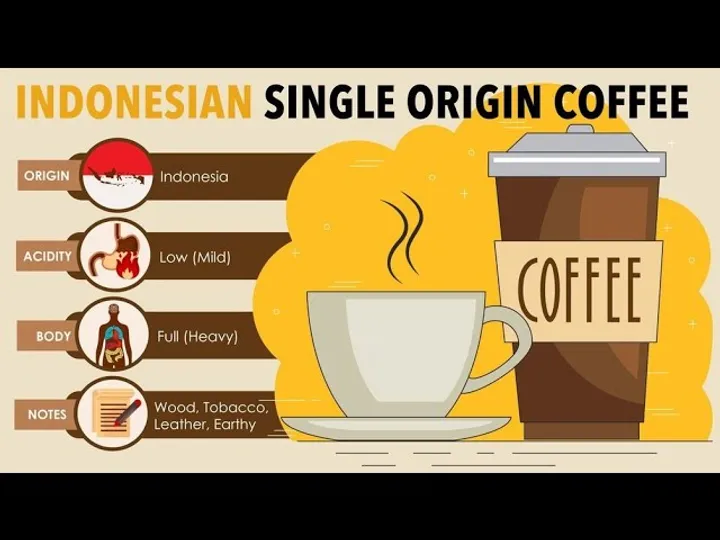
Indonesia is the world's fourth largest coffee producer with a flavor profile unlike any other origin. Here's what to expect from Java, Sumatra, Sulawesi, and beyond.
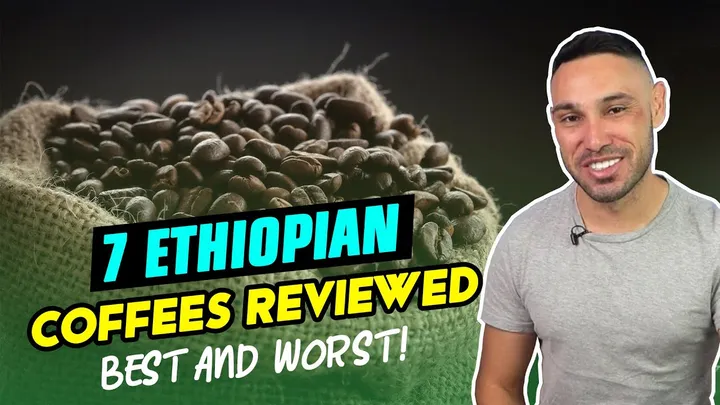
We reviewed seven Ethiopian coffees from brands like Peet's, Volcanica, and La Colombe to find the best. Discover which Ethiopian coffee beans are worth buying and which to skip.
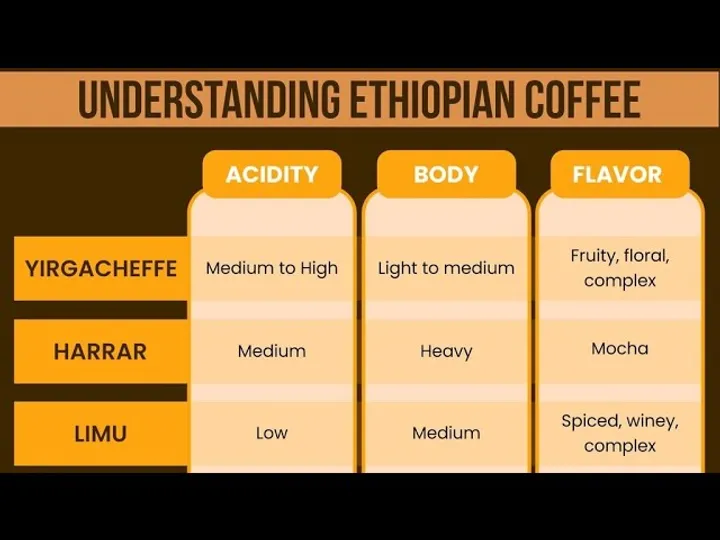
Ethiopian coffee is where it all began. Learn about the distinct flavor profiles, growing regions, and varieties of Ethiopian single origin coffee, from Yirgacheffe to Sidamo to Guji.
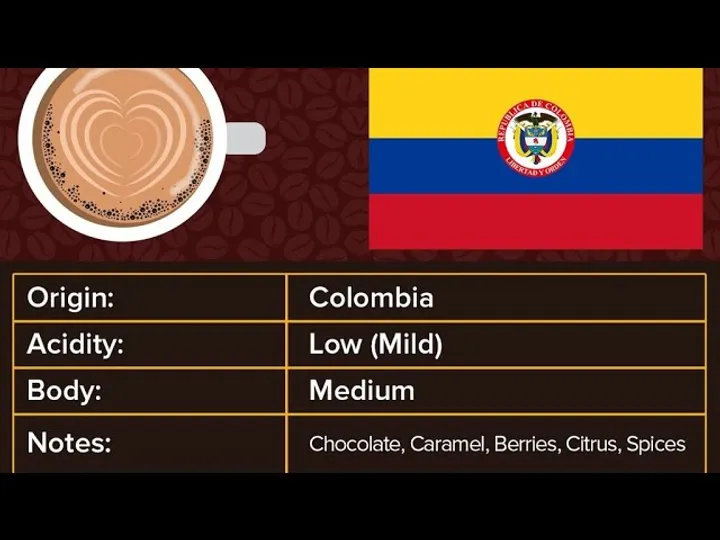
Colombian coffee is known for its smooth, mild flavor, low acidity, and versatility across roast levels. Here's what flavor notes to expect from single origin Colombian coffee.
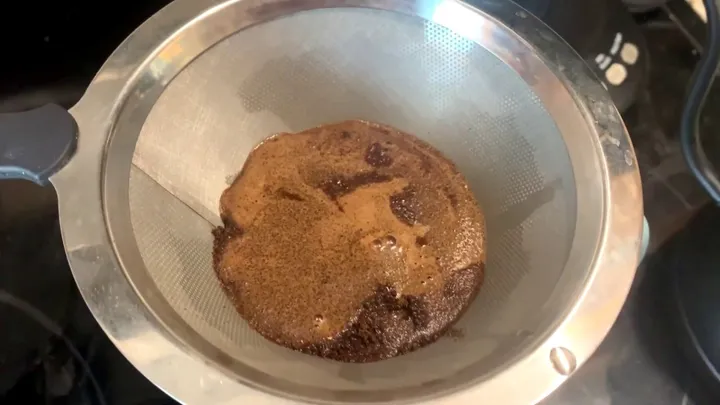
A quick look at Stone Street's Tanzania Peaberry coffee -- one of the most distinctive single origin beans you can buy. Learn what makes peaberry beans special and what to expect from this brew.
Costa Rican coffee is known for floral sweetness, mild acidity, and incredible versatility across roast levels. Learn what makes Costa Rican single origin coffee special and what flavors to expect.
Brazil produces a third of the world's coffee, but is it any good? Here's what Brazilian coffee actually tastes like, why it matters, and what to buy.
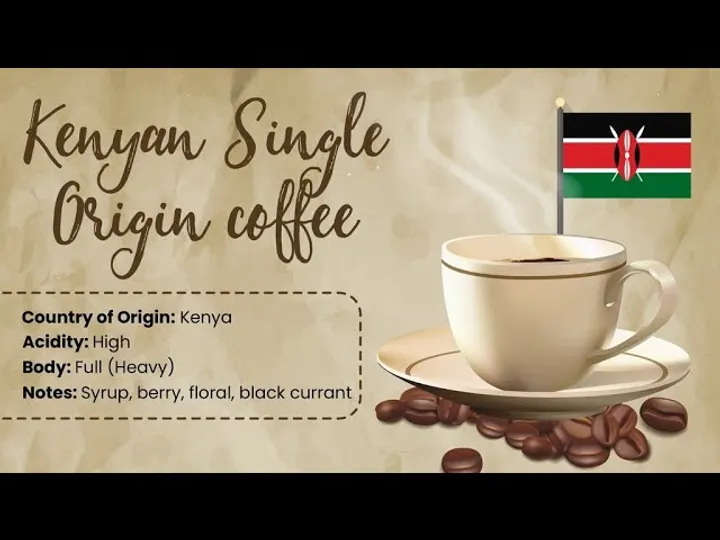
Kenyan coffee is considered the connoisseur's cup — full-bodied, richly flavored, and pleasantly acidic. Here's what makes it special and how Kenya grades its beans.
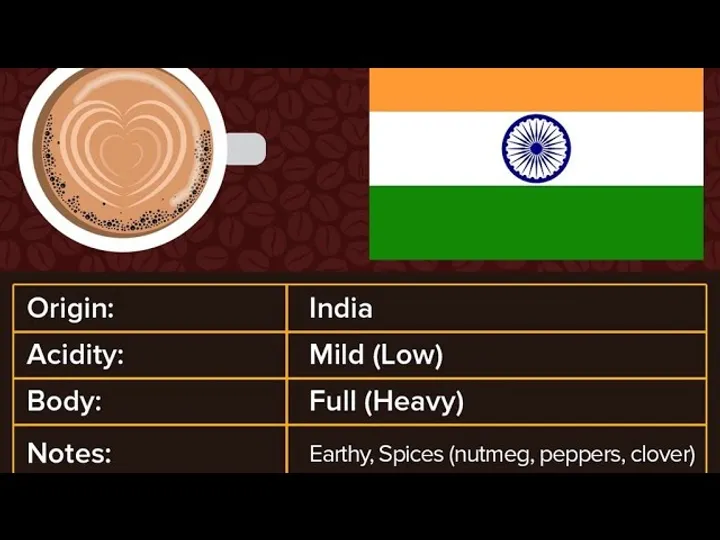
India produces about 6.7 million bags of coffee a year (Coffee Board 2025-26) with a flavor profile unlike any other origin. Here's what to expect — from Monsoon Malabar to shade-grown Arabica.
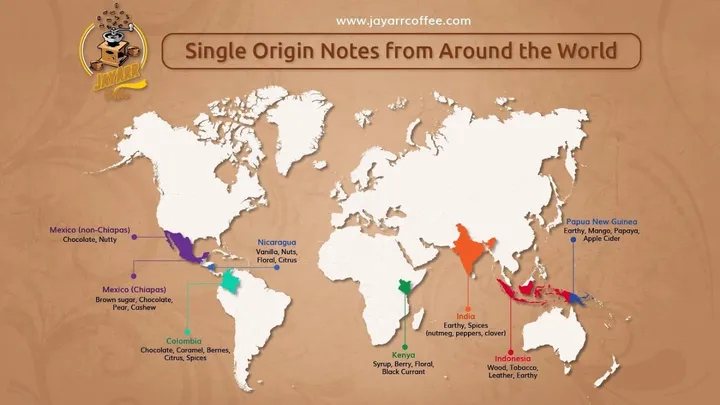
Single origin coffee isn't just a label — it's a window into how geography, climate, and farming practices shape what ends up in your cup. Here's what you need to know.