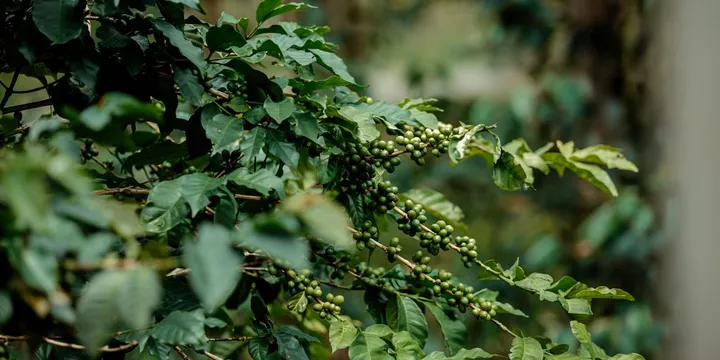
Coffee Leaf Rust: How Hemileia Vastatrix Rewrote the Global Coffee Map
Hemileia vastatrix killed Ceylon's coffee in 1869, crashed Central America in 2012, and now the resistant varieties saving us are failing. The full history.
The chemistry, physics, and biology behind what makes coffee taste the way it does.
Hemileia vastatrix killed Ceylon's coffee in 1869, crashed Central America in 2012, and now the resistant varieties saving us are failing. The full history.
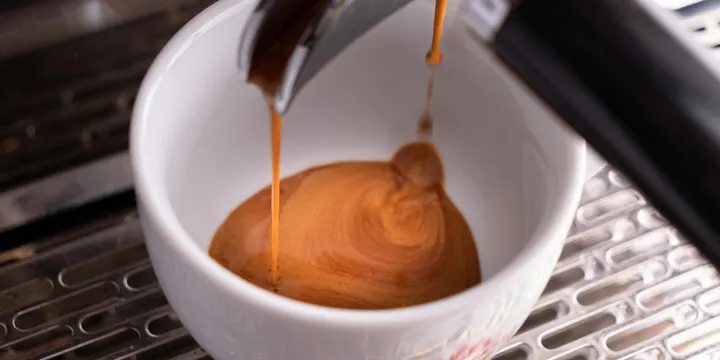
Espresso is a small hydraulic system built out of ground coffee. The machine supplies pressure. The puck creates resistance. Here's why the grinder matters more than the machine.

Caffeine 6 hours before bed cuts sleep by an hour. Here's the half-life math, the CYP1A2 metabolizer split, and how to calculate your personal cutoff time without quitting coffee.
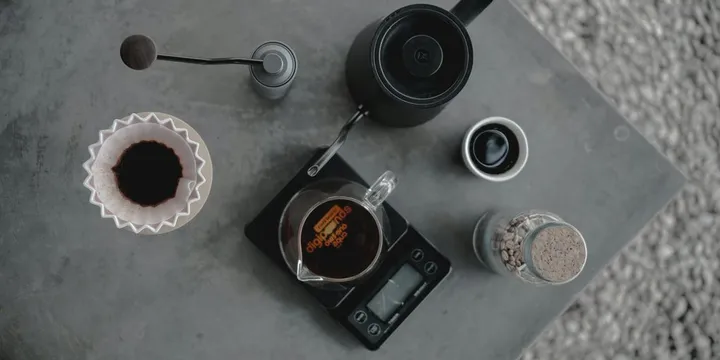
Black paper-filtered coffee runs about 2 calories per cup. French press, espresso, milk, and cream change the equation. The fasting-and-coffee science most guides skip.
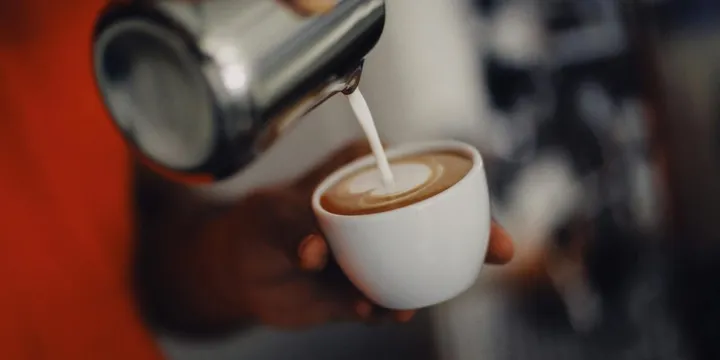
Predict whether any plant milk will make a latte by reading 3 things off the label. 10 brands compared — buffer, fat, foam structure. Califia same-brand reveal.
When you drink coffee matters as much as how much. Here's the science of caffeine timing for focus, the cortisol connection, and how to structure intake for sustained productivity without the crash.
Your CYP1A2 gene determines whether you're a fast or slow caffeine metabolizer — and the difference can be 40-fold. Here's the science of why the same cup of coffee affects people so differently.
Protein coffee — proffee — went viral on TikTok, but does it actually work? Here's what the science says about caffeine plus protein, plus how to mix it without clumps.
The dehydration myth, debunked with the actual research. Coffee is 98–99% water. Moderate daily consumption does not cause net dehydration — and the early studies that started this myth had significant methodological problems.
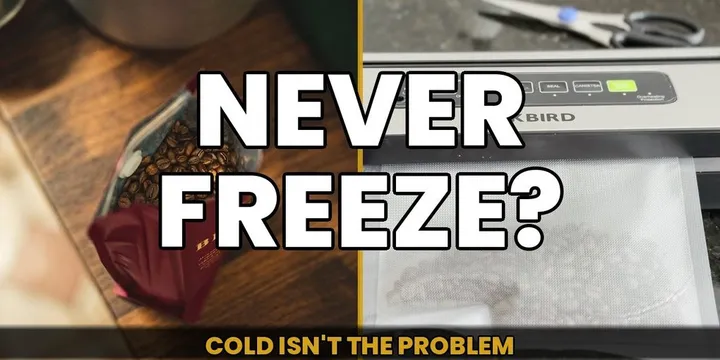
The problem with freezing coffee was never cold — it was condensation. The vacuum-sealed single-dose protocol both physicists actually use, step by step.
Turbo shots pull in 15-20 seconds at a coarser grind and hit 80% of max extraction with more aroma than traditional pulls. The Smrke 2024 and Hendon 2020 science, and how to dial one in.
Kopi luwak is marketed as the world's rarest coffee. The reality: caged civets, rampant counterfeiting, and a mediocre cup James Hoffmann calls cruel and overhyped.
The Ross Droplet Technique cuts grinder static by 50% and retention by 75%. Here is the peer-reviewed science and how to apply RDT at home.
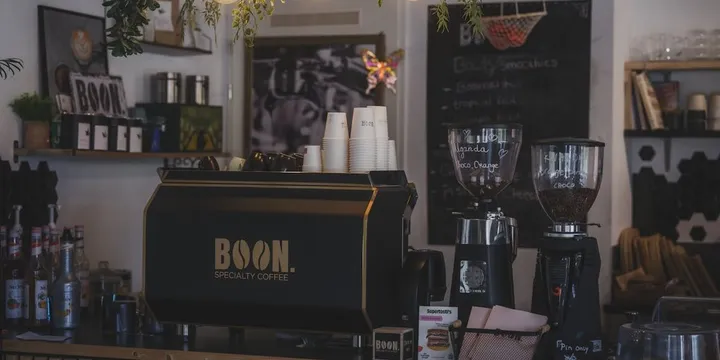
The complete history of third wave coffee — from Peet's in 1966 to the fourth wave debate. Who coined the term, what it actually means, and how four roasters and one auction changed coffee forever.
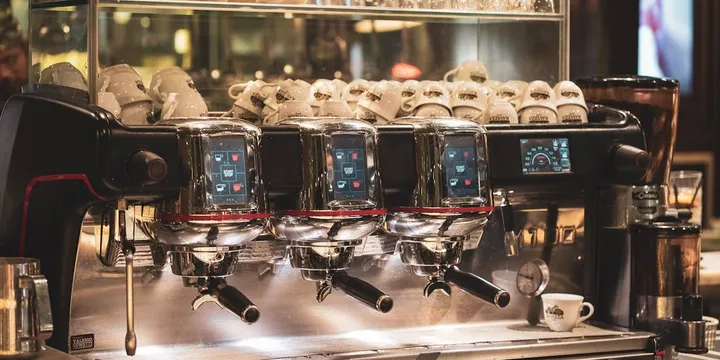
Italian espresso uses 7g doses at lower temperatures. American third-wave uses 18-21g at higher temperatures. The physics behind why these are fundamentally different approaches.
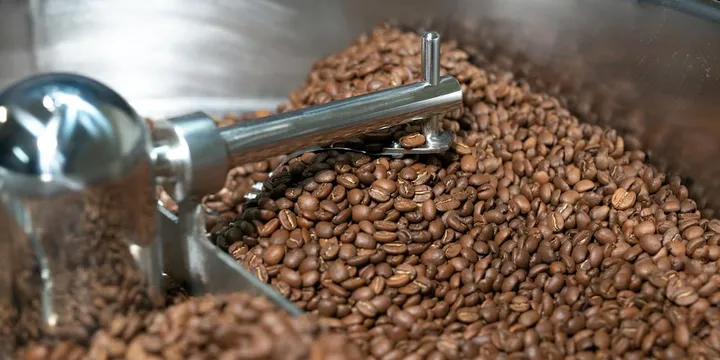
Home coffee roasting explained through the four-lever framework. Stages, equipment, step-by-step instructions, and common mistakes to avoid on your first batch.
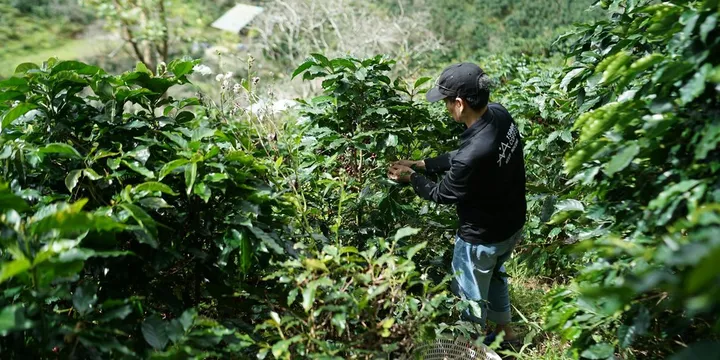
F1 hybrid coffee varieties combine disease resistance, high yields, and exceptional cup quality. Here's why Centroamericano, Starmaya, and other hybrids matter for coffee's survival.
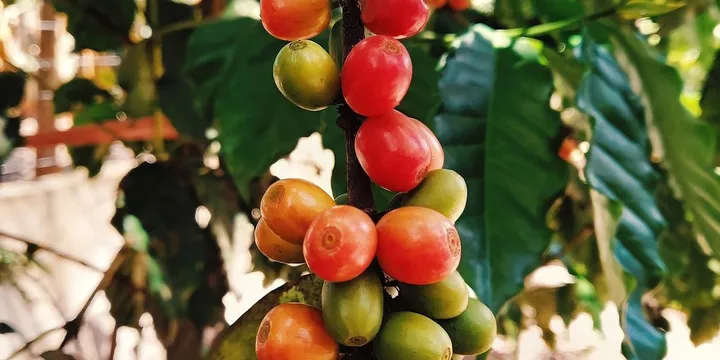
The six layers of a coffee cherry — exocarp, pulp, mucilage, parchment, silver skin, and seed — and how each one shapes the flavor in your cup.
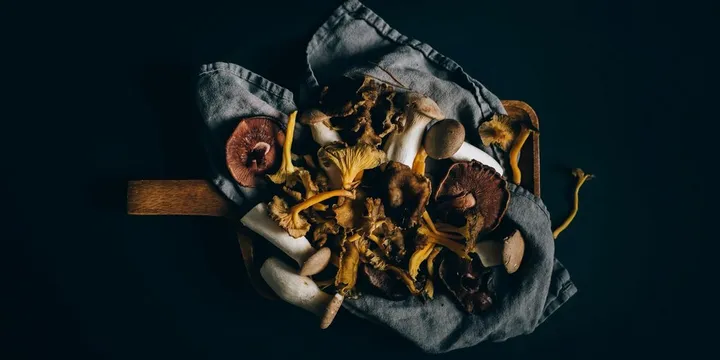
Mushroom coffee is a billion-dollar market built on preclinical research and commodity instant coffee. Here's the evidence, the doses, and whether it's worth your money.
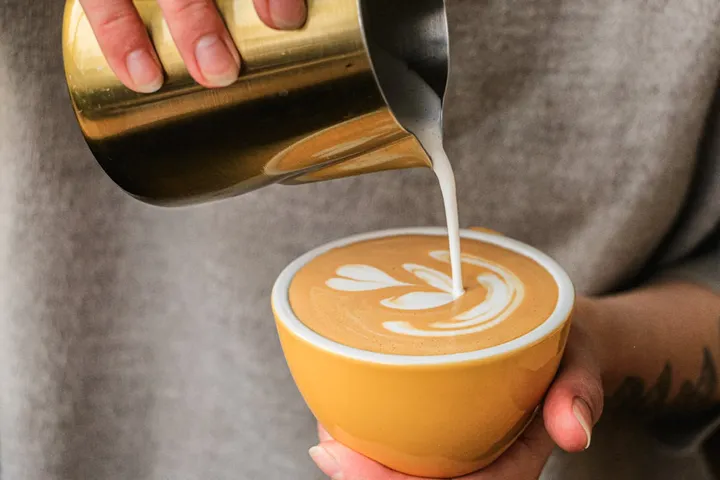
Oat milk vs dairy in coffee — tested across protein, foam quality, latte art, flavor, and steaming. Plus soy, almond, coconut, and pea protein compared.
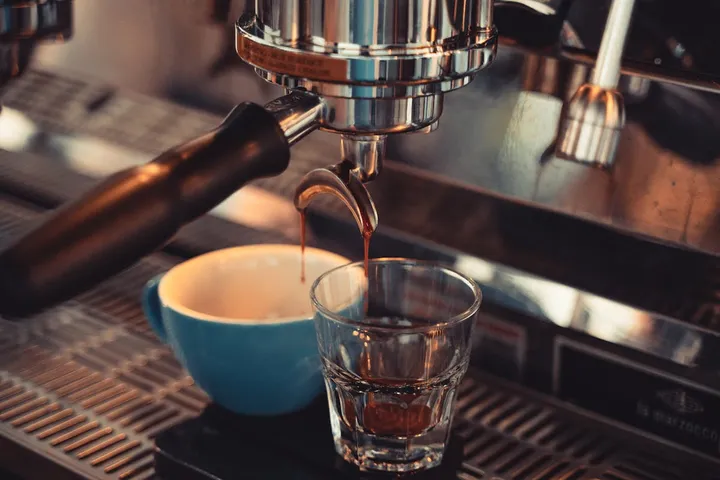
Espresso vs drip coffee compared by pressure, caffeine, TDS, extraction science, flavor, and cost. Why espresso roast isn't a thing and the caffeine math that confuses everyone.
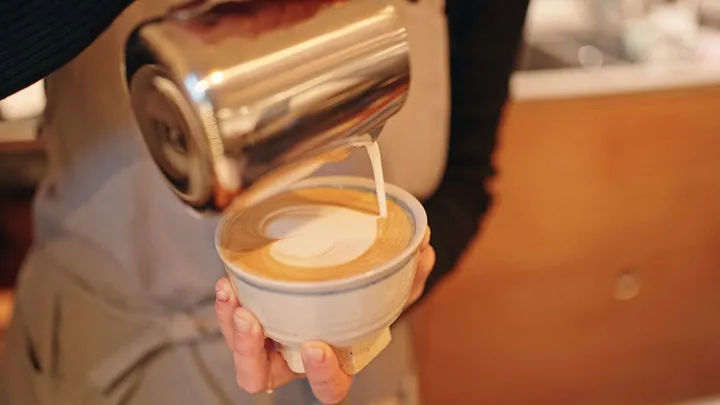
We traced every cent in a $6 latte — from the $0.10 bean to the 13.8% profit margin. Here's who actually makes money on your morning coffee.
The 100-point coffee scoring system decides which beans cost $2 a pound and which sell for $50. Here's how it works, who controls it, why it's under fire for bias and inflation, and what the new Coffee Value Assessment is changing.
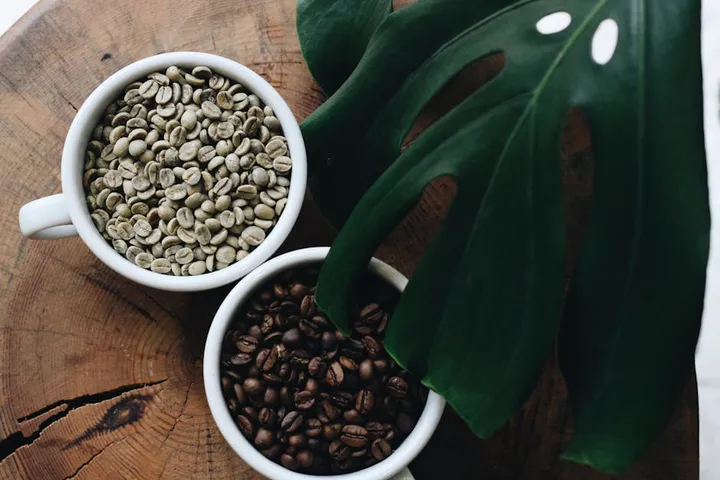
The real differences between Arabica and Robusta coffee — genetics, flavor, caffeine, climate resilience, and why the 'Arabica is better' story is more complicated than the marketing suggests.
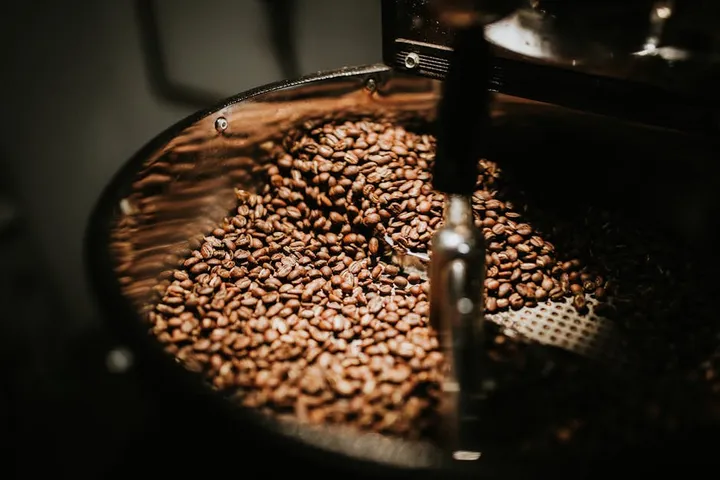
Light vs medium vs dark roast coffee — what actually happens during roasting, why sweetness follows a bell curve, the caffeine myth, and why light roasts are harder to extract than dark.
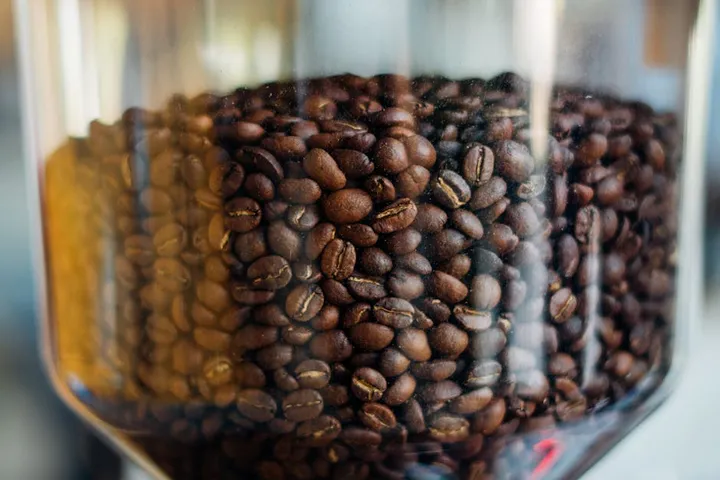
The four enemies of coffee freshness explained at a chemical level — and the storage methods that actually work, from Airscape to Fellow Atmos to the correct freezer protocol.
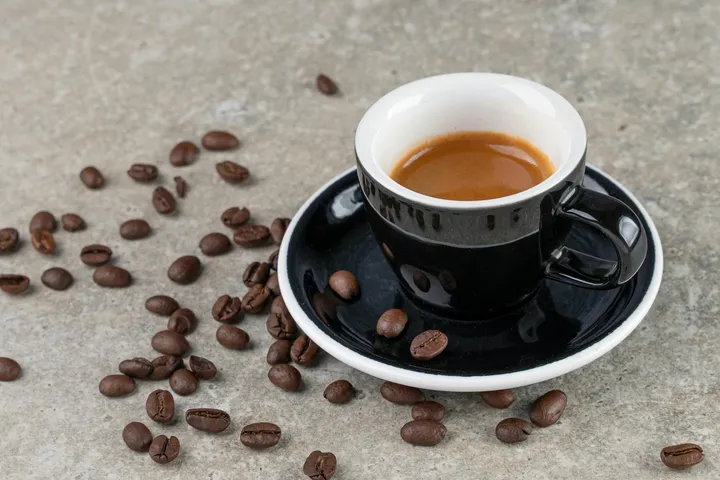
Espresso has less caffeine than drip coffee. Cold brew depends on serving size. Here's the real data — plus how your body metabolizes caffeine, safe limits, and the myths that won't die.
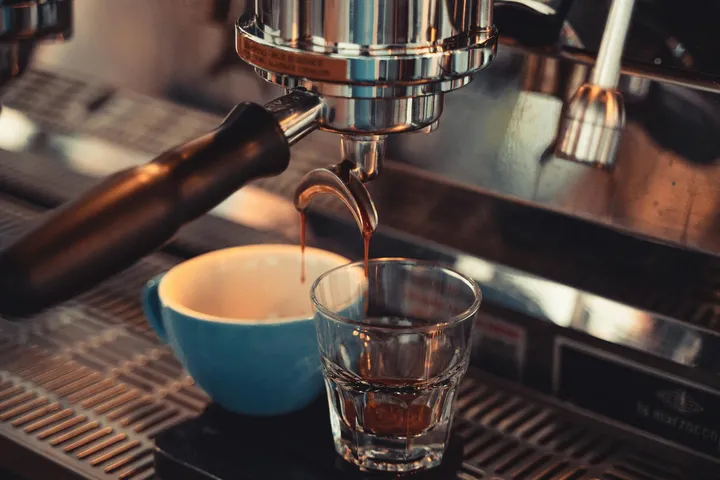
Strength and extraction are different things. Understanding the difference — and the 2x2 matrix — is the fastest way to diagnose what's wrong with your coffee.
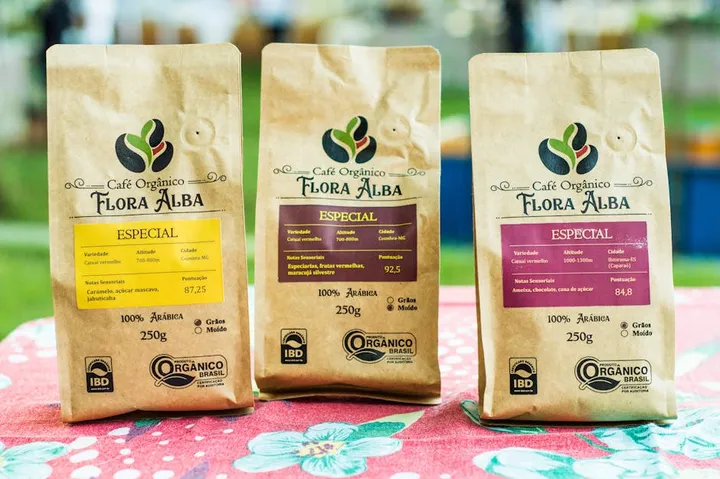
A honest breakdown of every major coffee certification — Fair Trade, Rainforest Alliance, USDA Organic, Bird-Friendly, Direct Trade, and Cup of Excellence. What each label guarantees, what it doesn't, and which ones actually matter when you're buying beans.
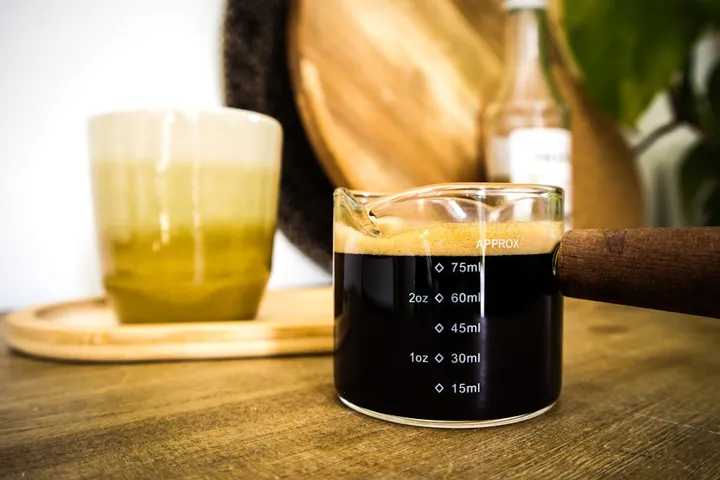
What extraction yield actually means, how to calculate it, why your coffee tastes sour or bitter, and how to fix it — with or without a refractometer. Includes the SCA brewing control chart, strength vs. yield, and practical adjustment guides.
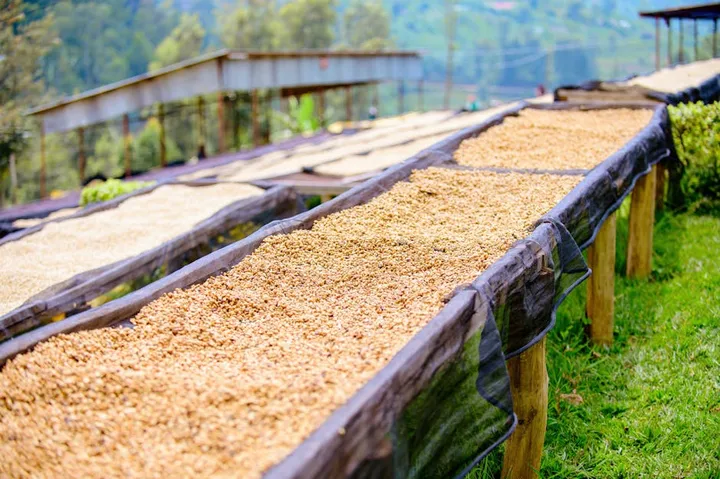
A complete guide to how coffee is processed after picking — washed, natural, honey, anaerobic, carbonic maceration, thermal shock, and more. What each method does to flavor, and why it matters when you're buying beans.
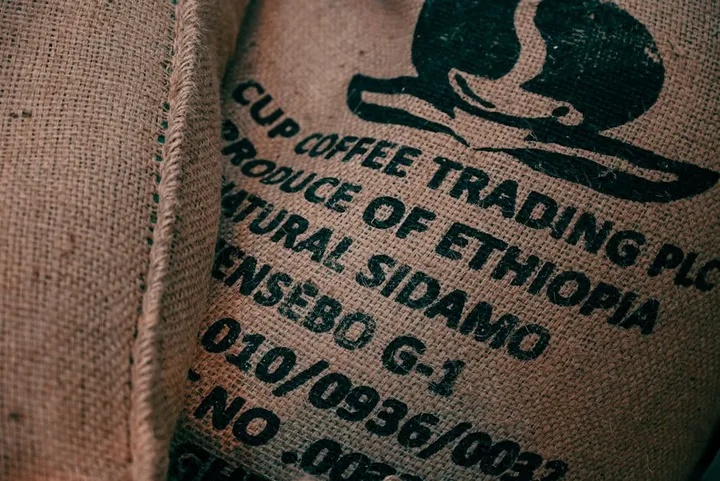
A complete guide to decoding specialty coffee bag labels. Learn what origin, varietal, process, altitude, roast date, and cup score actually predict about flavor — and which red flags mean you should keep walking.
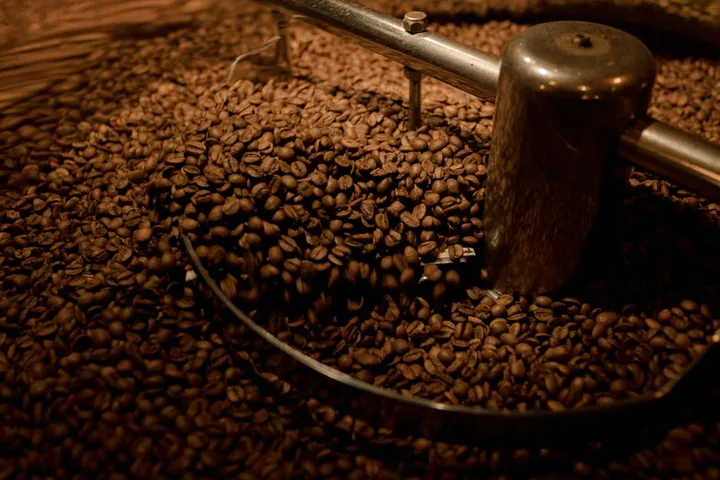
A day-by-day guide to coffee freshness after roasting. Learn peak windows by roast level, the three mechanisms of staling, and storage methods that work.
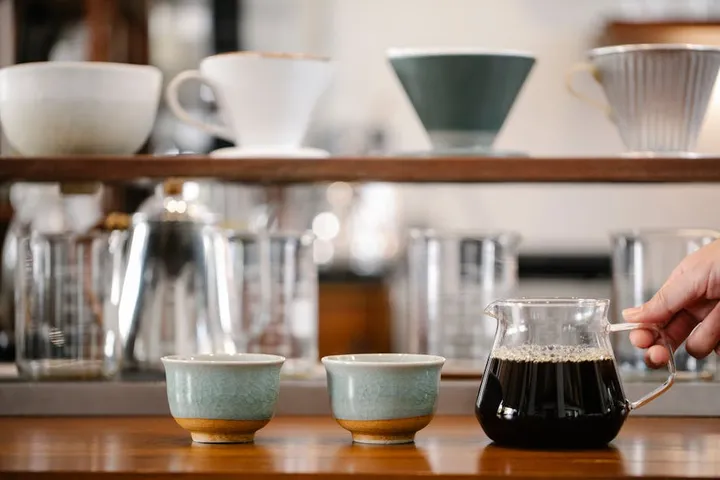
A plain-language guide to coffee cupping scores. Learn what the SCA 100-point scale measures, what separates an 82 from a 90, and whether higher scores justify the price.
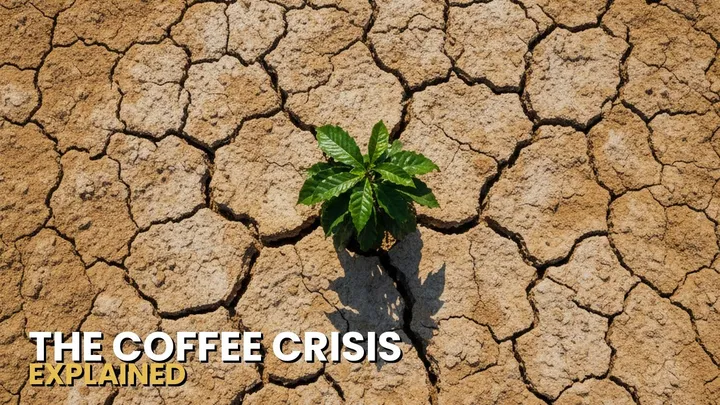
Coffee prices hit an all-time high in 2025. Here's what's driving the surge — climate disasters, tariffs, booming Asian demand — and what it means for your wallet.
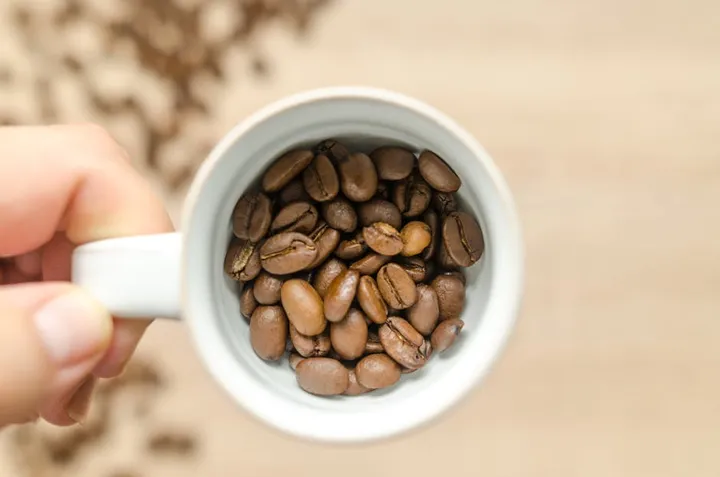
Not sure what coffee to buy? The SCA Flavor Wheel can help you identify the flavors you love and find coffees that match. Here's how to use it — plus a structured plan to develop your palate.
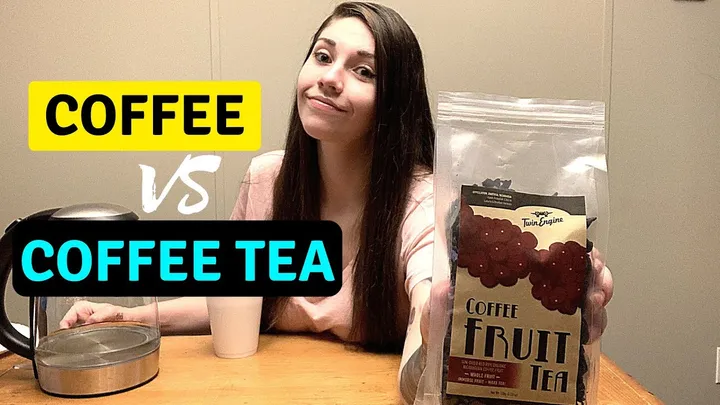
Cascara is the dried fruit of the coffee cherry — naturally sweet, low-caffeine, and brewed for centuries in Yemen and Ethiopia. We taste-tested it against regular coffee. Plus: how it's made, brewing methods, caffeine, and the sustainability story.
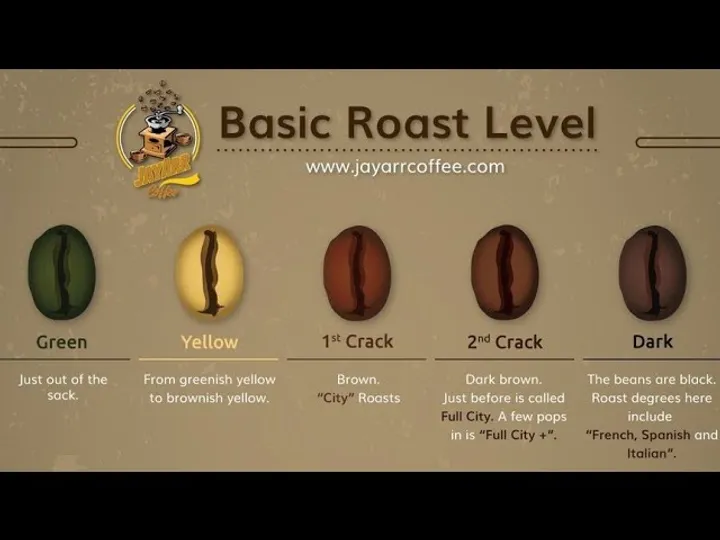
Learn how coffee is roasted from green bean to finished cup. Understand the Maillard reaction, caramelization, first and second crack, and why roasting is the most transformative step in coffee's journey.
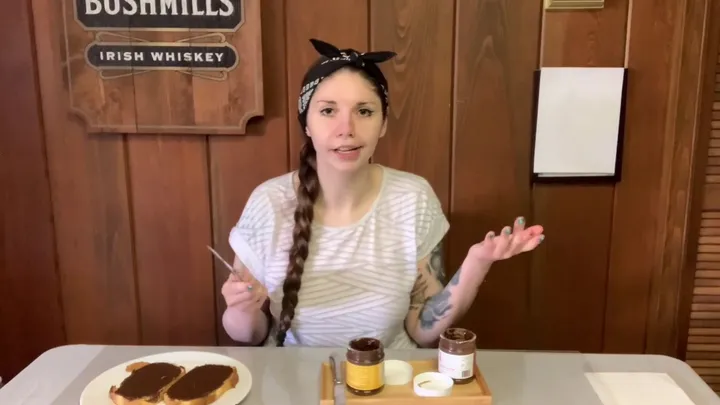
We tried Nudge Coffee Butter, a coffee-infused spread that delivers the caffeine of one cup of coffee in just two tablespoons. Here's our honest review of both flavors.
Organic coffee isn't as straightforward as most people think. We break down the USDA organic label, the real pros and cons, and recommend the best organic coffee brands worth buying.
Ever wondered how caffeine is removed from coffee beans? We break down Swiss Water, CO2, and solvent-based decaffeination — plus the health science, the caffeine metabolism question, and why decaf no longer means bad coffee.