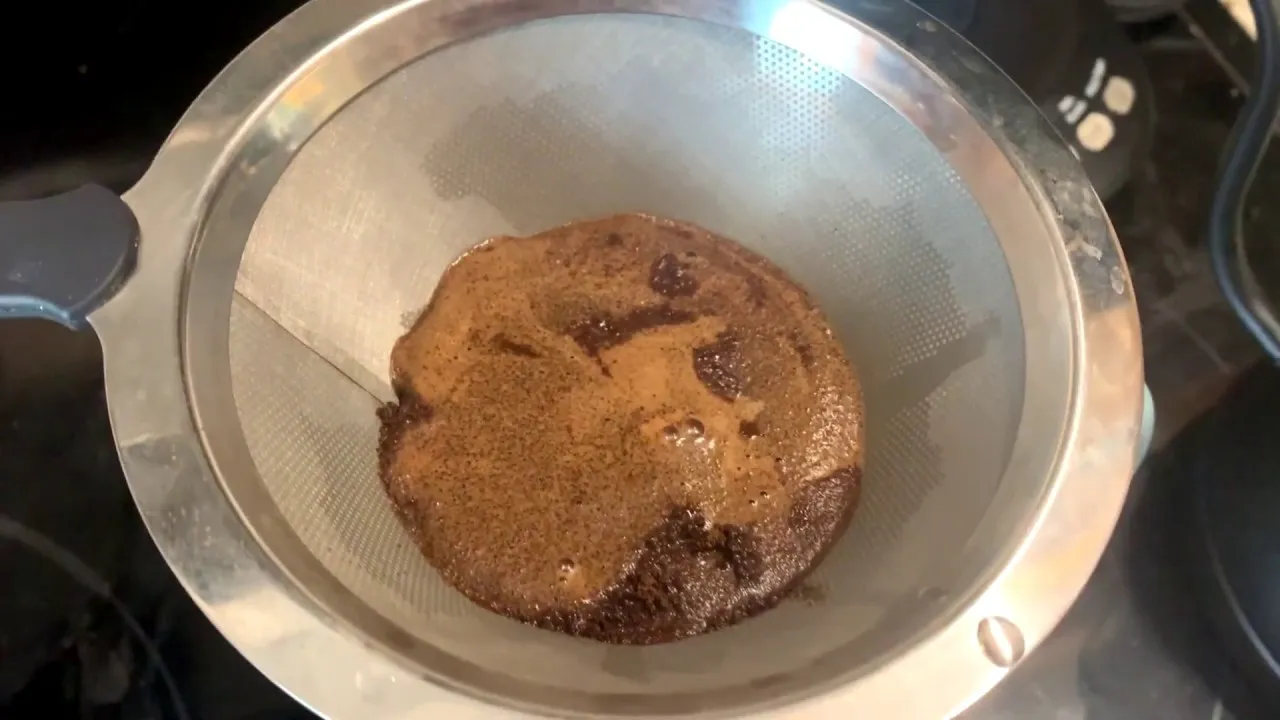
Tanzania Peaberry stands out the moment you see the beans. Unlike standard coffee cherries that produce two flat-sided beans, peaberry cherries produce just one small, round bean — and the theory is that single bean absorbs all the flavor meant for two. We picked up a bag from Stone Street to grind and brew it fresh.
What Makes Peaberry Different
Peaberries occur naturally in about 5 to 10% of all coffee cherries. Normally, a cherry contains two seeds that develop side-by-side, creating flat faces where they press against each other. In peaberries, only one seed develops, becoming rounder and denser.
The concentrated-flavor theory is appealing, but here’s the honest truth: the specialty coffee community is split on whether peaberries genuinely taste better. Limited research exists, and some professionals have done blind tastings of peaberry vs. flat-bean from the same lot and couldn’t detect a significant difference.
What IS demonstrably true: peaberries roast differently. Their unique shape and density mean heat transfers through the bean on a different path, developing flavors at a different pace. When roasted well, peaberries often exhibit brighter acidity and more complex aromatics compared to flat beans from the same harvest. Whether that’s the bean shape or the roast dynamics is still debated.
Tanzania: Where Peaberry Shines
Tanzania produces roughly 870,000 bags per year with Kent and Bourbon as the dominant varieties. The main growing regions cluster around Mount Kilimanjaro and Mount Meru in the Northern Highlands — volcanic soil, 1,200-2,000 meters altitude, and a July-December harvest season. The best Tanzanian lots are comparable to Kenyan coffees in brightness and complexity.
Tanzania has become specifically famous for its peaberry beans. Producers have refined their sorting and processing methods to separate and highlight these distinctive beans as the specialty product they are.
The Flavor Profile
Tanzania Peaberry delivers a bold, layered cup:
- Blackcurrant — the signature note, tart and berry-like with serious depth
- Cocoa and chocolate — warm, grounding sweetness that develops as the cup cools
- Citrus — bright lemon and orange notes cutting through the heavier flavors
- Floral — subtle, tea-like quality
- Wine-like body — velvety mouthfeel that coats the palate
This isn’t one-dimensional coffee. There’s a genuine interplay of flavors that keeps evolving through the cup. It works as espresso, pour-over, and French press — a versatile bean that adapts well. If you enjoy Kenyan coffee’s berry-forward character, Tanzania is a natural next step.
The Growing Regions
Brewing Recommendations
Pour-over (V60, Chemex): Medium-fine grind, 195-205°F, 3-4 minute total brew. Highlights the bright citrus and blackcurrant notes. Clean and crisp.
French press: Medium-coarse grind, 200°F, 4 minutes. Captures the wine-like body and full mouthfeel beautifully. Don’t over-steep — you want complexity without bitterness.
Espresso: Fine grind, 1:2 ratio, 25-30 seconds. The complexity really shines in concentrated format — chocolate and cocoa notes intensify while the bright acidity stays present.
Cold brew: Coarse grind, 1:4 coffee to water, 12-16 hours refrigerated. Smooths out acidity and brings forward a silky sweetness.
About Stone Street
Stone Street Coffee Company has been roasting in Brooklyn since 2009, specializing in small-batch, single-origin coffees. They’ve worked with chefs like Eric Ripert at three-Michelin-star Le Bernardin, which speaks to their quality standards. Their Tanzania Peaberry is roasted to highlight the bean’s natural characteristics — small, round, evenly developed.
If you want to explore other East African single-origin options, our Kenyan coffee reviews and Rwandan coffee guide cover comparable brightness with different flavor signatures.
The Peaberry Verdict
Don’t buy peaberry because someone told you it’s “better.” Buy it because you’re curious, because you enjoy exploring different coffees, and because Tanzania produces genuinely world-class beans regardless of bean shape. The blackcurrant note alone makes Tanzania worth seeking out — peaberry or flat-bean.
If you’re interested in exploring what Tanzanian coffee offers, Stone Street’s peaberry is a solid starting point: well-sourced, carefully roasted, and priced reasonably for a specialty single-origin.
Some links above are affiliate links. If you purchase through them, we earn a small commission at no extra cost to you.
Frequently Asked Questions
- What is a peaberry coffee bean?
- A peaberry is a natural mutation where a coffee cherry produces one small, round bean instead of the usual two flat-sided beans. It occurs in about 5-10% of all cherries and must be sorted out separately. The theory is that a single bean absorbs all the nutrients meant for two, but the specialty community is split on whether peaberries genuinely taste better. What's demonstrable is that their unique shape causes different heat transfer during roasting, often producing brighter acidity and more complex aromatics.
- Does Tanzania peaberry have more caffeine?
- No. Peaberry beans have roughly the same caffeine content as flat beans from the same lot. The denser, rounder shape doesn't concentrate caffeine — it just changes how the bean develops and roasts. Any perceived extra intensity from peaberry coffee comes from flavor concentration and roast dynamics, not caffeine.
- What does Tanzania peaberry coffee taste like?
- The signature note is blackcurrant — tart, berry-like, with serious depth. You'll also find cocoa, citrus (lemon and orange), and a wine-like velvety body. It's layered coffee that evolves as the cup cools, with chocolate and warm sweetness emerging at lower temperatures. The brightness and complexity are comparable to Kenyan coffee but with a slightly different flavor signature.
- Is peaberry coffee worth the extra cost?
- That depends on why you're buying it. Don't buy peaberry because someone claimed it's objectively 'better' — limited research supports that. Buy it because you're curious, because Tanzania produces world-class coffee regardless of bean shape, and because the blackcurrant note and wine-like body make it genuinely distinctive. The premium is usually modest ($2-5 more per bag), which makes it an easy experiment.