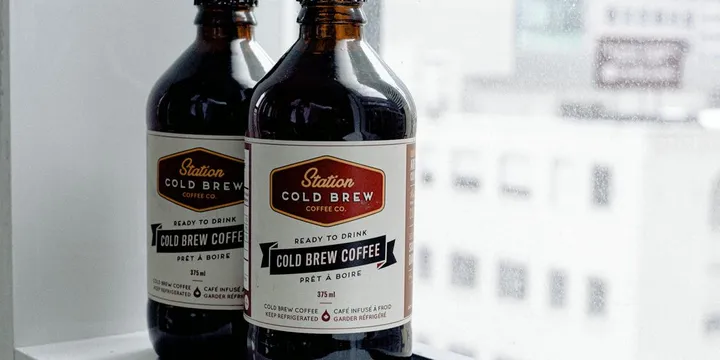
Cold Brew Concentrate: Ratios, Steep Time, and Dilution
Make cold brew concentrate Jessica Easto's way: 96 g of coffee to 600 g of cold water for 12 hours, diluted one to one to serve. With yields, serving strengths, steep times and fridge storage.
Make cold brew concentrate Jessica Easto's way: 96 g of coffee to 600 g of cold water for 12 hours, diluted one to one to serve. With yields, serving strengths, steep times and fridge storage.

Very fresh beans release gas that pushes back against the water in an espresso puck and inflates the crema. Here's how long to rest beans for espresso, why, and why filter coffee needs less.
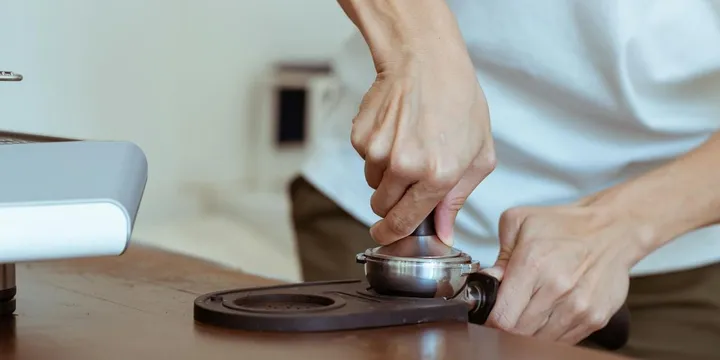
Studies that varied espresso tamping pressure found little change in shot time or extraction. What matters more, per Rao, Hoffmann and the research: a level, even bed, a fitted tamper and no tapping.
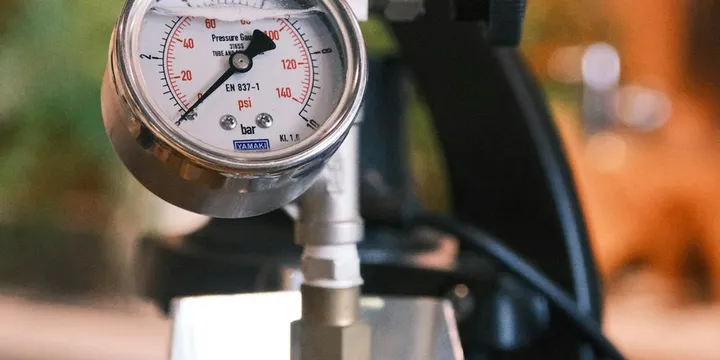
Pressure profiling changes the pressure on the puck during an espresso shot. Here's Scott Rao's three-phase model, how pressure and flow differ, which machines can do it and how to start.
How to make good coffee in a drip machine: weigh about 59 g of coffee per liter of water, grind medium, stir twice the way Scott Rao does, and serve it within about 30 minutes.
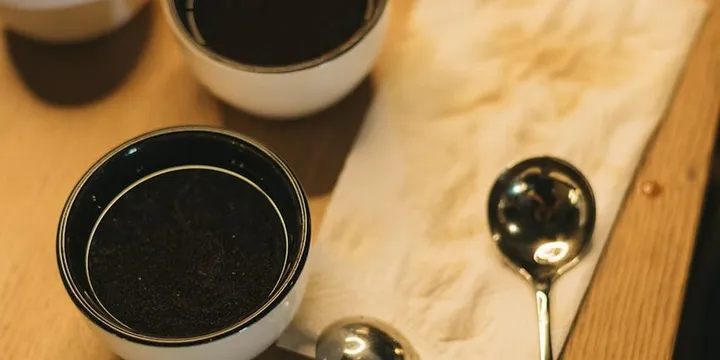
Train your coffee palate by tasting side by side: our 8-week plan, built on the SCA and WCR flavor wheel, the WCR Sensory Lexicon's references, and triangle tests you can score yourself.

Soy, almond, coconut, pea and macadamia milks for coffee, compared by what their barista cartons add, how plant milks foam in lab tests, and how to steam them. Labels checked October 2026.

Cup coffee at home the way the SCA's 2024 standard does: 8.25 g per 150 ml of cup, water near 200°F poured to the rim, a 3- to 5-minute crust, then break, skim and taste as it cools.
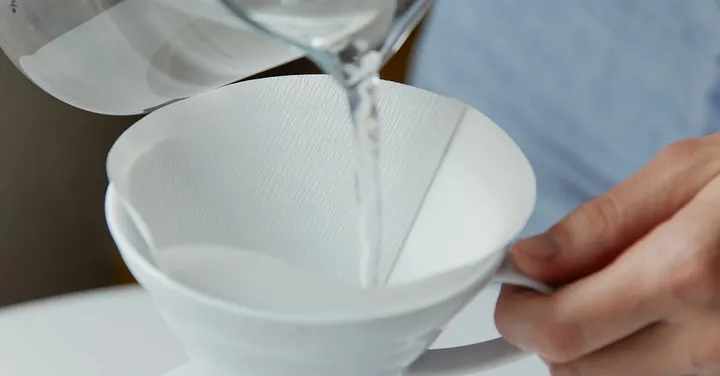
A cone like the V60 and a flat-bottom dripper like the Kalita Wave differ in bed depth, flow and bypass. What Jonathan Gagné measured, what the makers claim, and how to start each one.
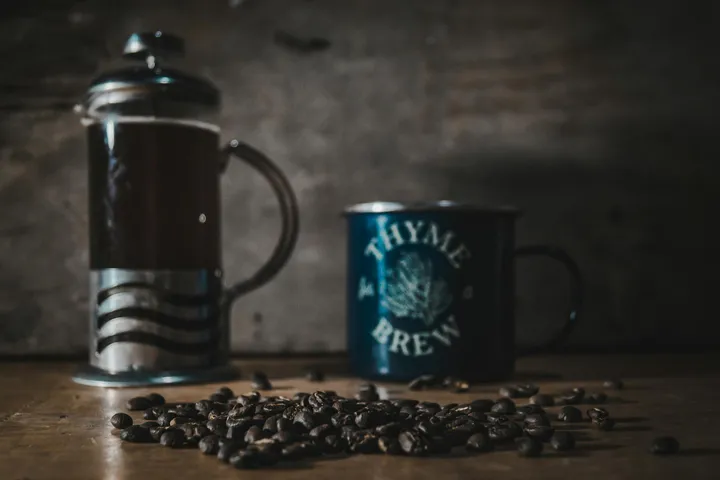
Which beans suit a French press? Eight widely sold coffees grouped by the cup they make, from chocolatey medium roasts to dark and bright ones, with each roaster's own roast label and notes.
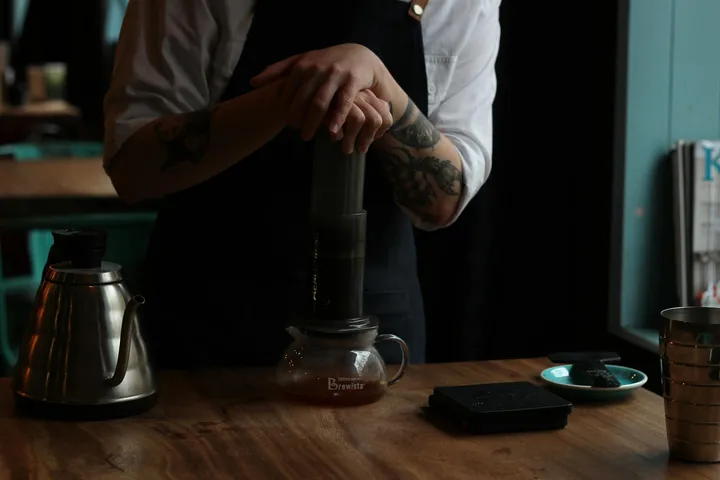
AeroPress or French press? Which suits one mug, a crowd or a trip, how the filters change the cup, each maker's own method, and the same 8 fl oz mug brewed both ways.
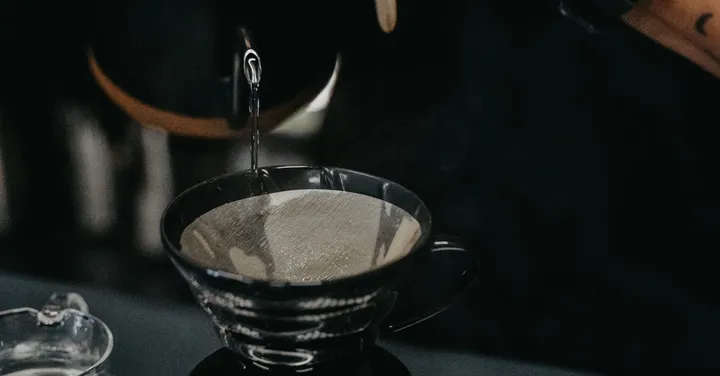
Pour-over or French press? How percolation and immersion differ, what paper and metal filters do to the cup, one 12 fl oz mug brewed both ways, and which one suits your mornings.
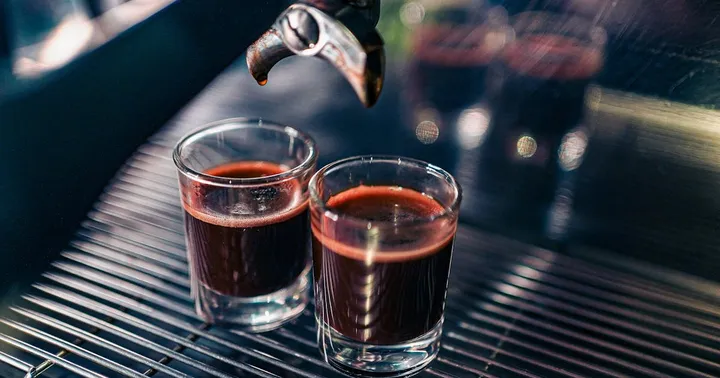
Dial in espresso one change at a time: fix the dose, stop the shot by weight, time it, taste it and log it. Start at 18 g in and 36 g out in 25 to 30 seconds, then let the taste pick the next change.
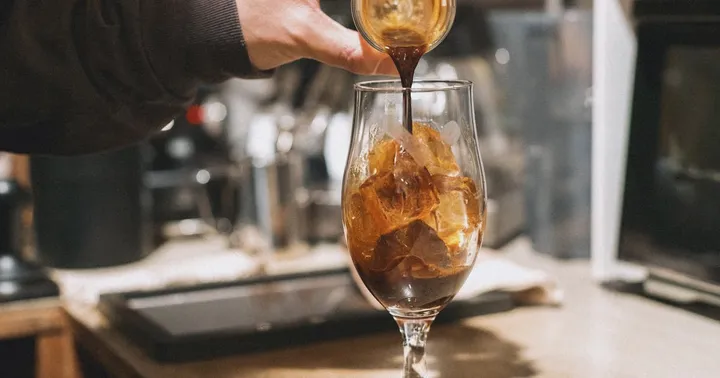
Japanese iced coffee, cold brew and Kyoto-style slow drip compared glass for glass: the coffee each needs for 12 fl oz, how ice and dilution count, acidity, brew time and how long each keeps.
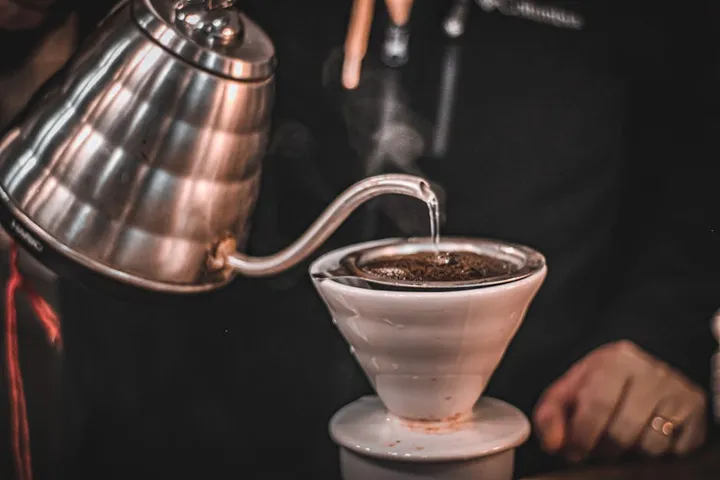
The bloom is the first small pour that wets the grounds and lets out roasting gas. Here's how much water to use, how long to wait, why to swirl and what the bubbles say about freshness.
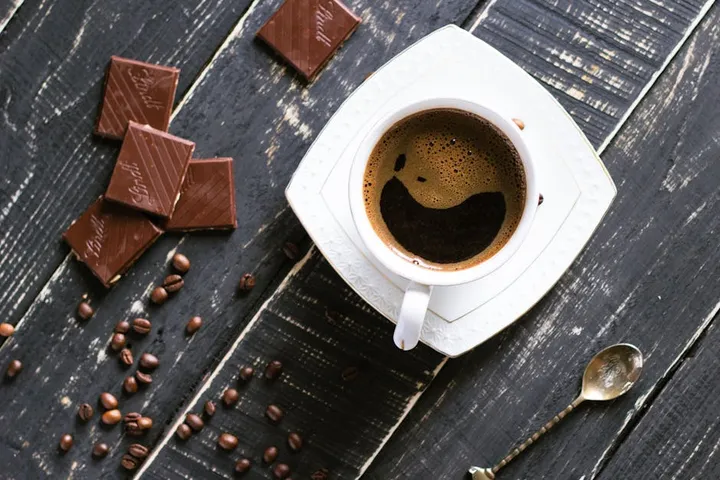
Bitter coffee can come from the roast, from over-extraction, from a cup that's simply too strong, or from old coffee oils in your brewer. Here's how to tell which, and the one change to try first.
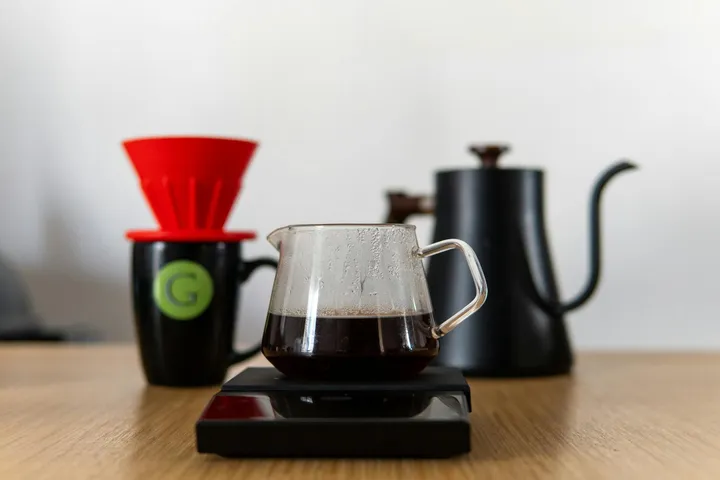
Start filter coffee at 1:16 by weight: about 25 g of coffee and 406 g of water for a 12 fl oz mug. See the starting ratio for every brewer, and why espresso counts the drink instead of the water.
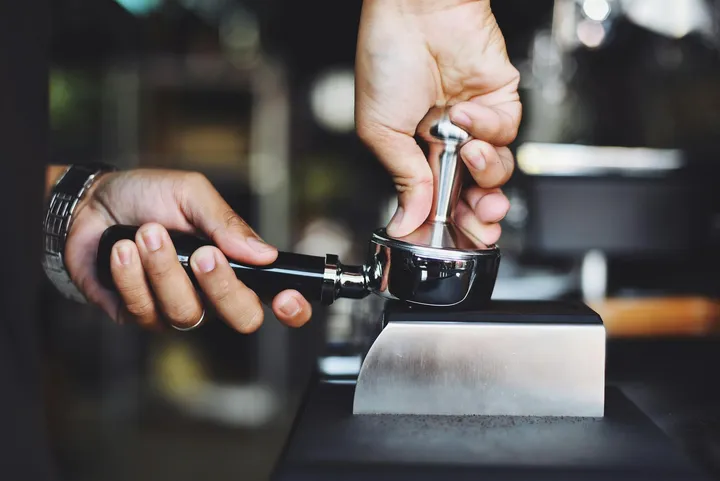
Channeling is water rushing through a few easy paths in the coffee, so one cup can taste sour and bitter at once. Here's how to spot it in pour-over and espresso, what causes it and how to fix it.
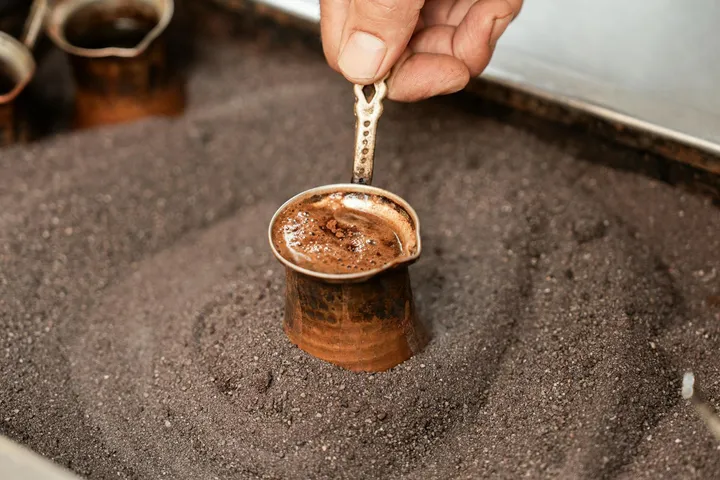
Turkish coffee is extra-fine coffee heated slowly with cold water in a cezve until it foams, then served with its grounds. Here are the amounts, temperatures and steps from its official description.
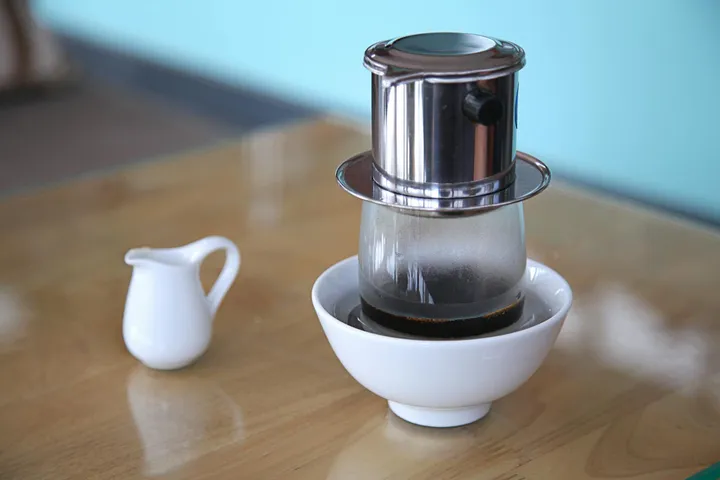
Brew a Vietnamese phin the way Nguyen Coffee Supply's guide does: 14 g of fine coffee, 4 oz of hot water, a 45-second bloom and about 5 minutes of drip. Then make cà phê sữa đá over ice.
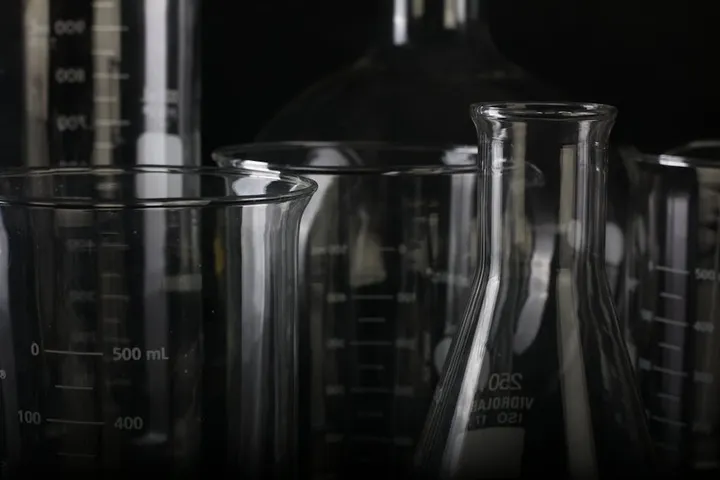
Compare eight coffee water recipes by hardness and alkalinity, from the SCA standard to Rao/Perger and Third Wave Water, see which minerals each really uses, and mix any of them from two salts.
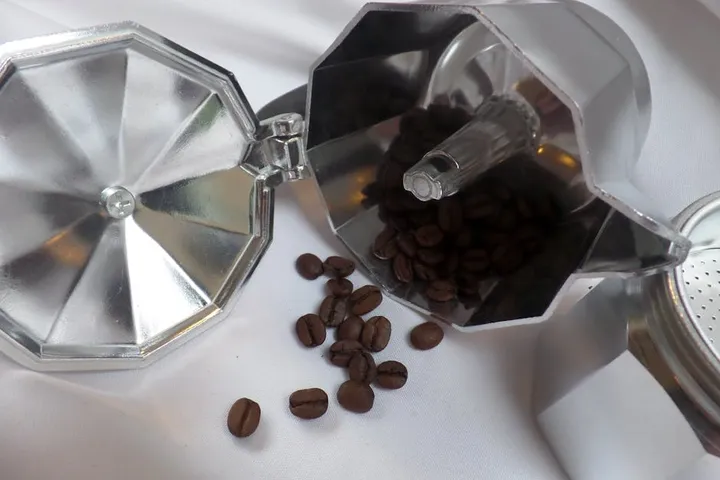
How to use a moka pot: fill the basket level, add water to just below the valve, heat gently and stop at the first gurgle. Bialetti's method, Hoffmann's hot-water start, sizes, fixes and care.
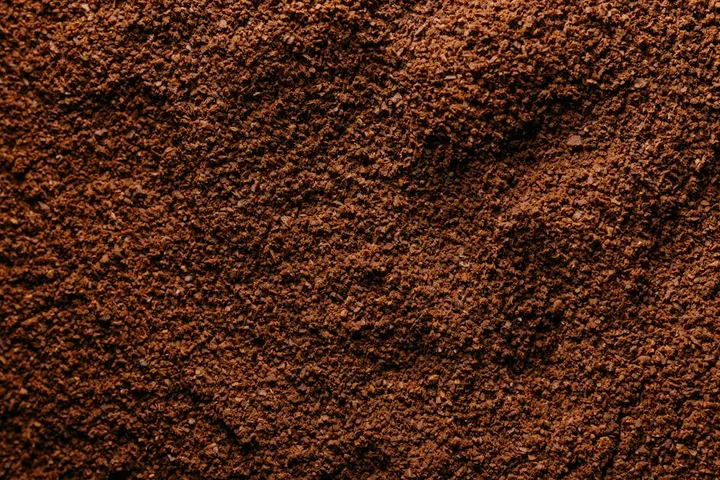
Grind size in microns, explained: our illustrative bands for eleven brewers, what D10 and D50 mean, how grinds are measured, and why a grinder's microns per click isn't the size of your grounds.
Brewed coffee is more than 98% water. What hardness, alkalinity and TDS each mean for your cup, what chlorine and chloramine do, how to find your water's numbers, and what to do if they're off.

There's no single ideal brewing temperature. See the kettle temperatures our Brew Guide starts with for each method and roast, why the coffee runs cooler than the kettle, and when to go hotter.

Blend coffee at home from roasted beans: our video's 40/40/20 starting point and four blends, Scott Rao's spoon test for choosing a ratio, a weighing worksheet, and why to blend after roasting.
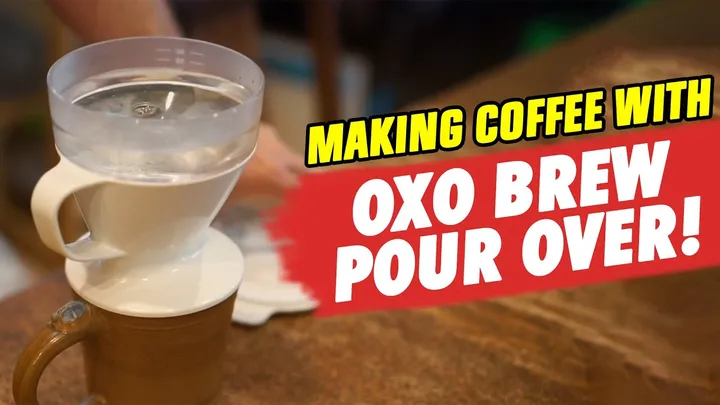
How to brew with OXO's Pour-Over Coffee Maker with Water Tank: OXO's own coffee and water amounts, the #2 filters it takes, the grind, and who it suits next to a V60.
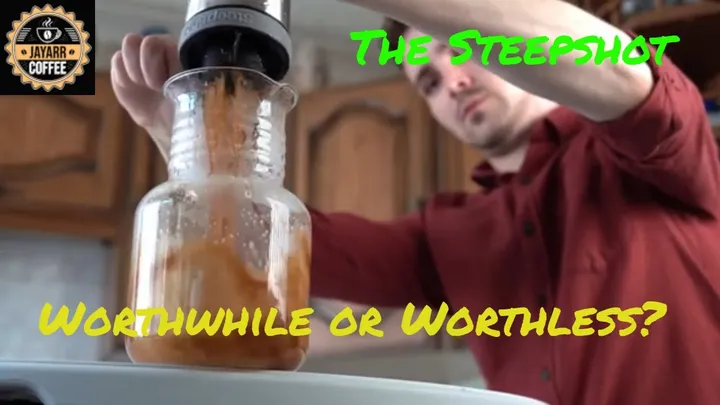
Our 2020 SteepShot review: it brewed in 30 seconds, but the coffee was only okay and ours came without a filter. Hoshikawa Cafe has ended its sales of the original and now sells a V2 redesigned in Japan.
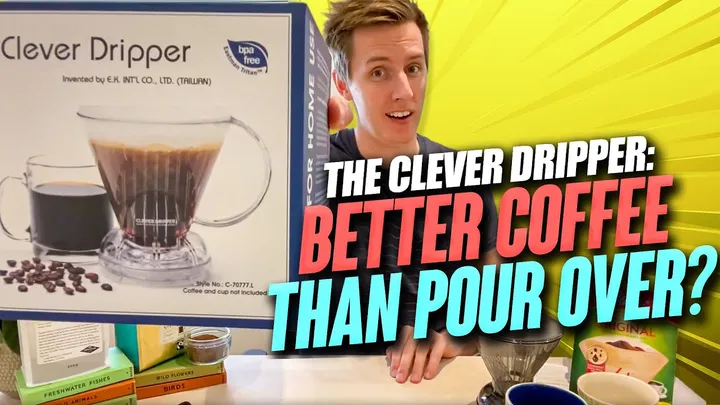
The Clever Dripper steeps coffee behind a valve, then drains it through a #4 paper filter when you set it on a cup. Our 2020 recipe and review, two published recipes, and how it compares with a V60.

Our 2020 video brewed one AeroPress recipe through three metal filters and paper. The Koffico mesh let no sediment through; the Able Disk Fine let through the most. What each maker sells now.

Brew a French press with James Hoffmann's no-plunge method: 30 g of coffee to 500 g of water, 4 minutes, skim, wait 5 more and pour gently. Plus Easto's eight-minute method, ratios and grind.

Brew an AeroPress the way its maker does: 16 to 18 g of coffee, water at 185°F, a 30-second wait and a gentle press. Why AeroPress discourages the inverted method, and how to dial in the grind.

The American Press steeps coffee in a pod behind a 100-micron steel filter, then you press the pod through the water. How it compared with a French press and an AeroPress in our 2020 video.

In our 2020 blind tasting, the Fellow Prismo came last, behind an inverted and an upright AeroPress. What the Prismo is, Fellow's recipe, and how it compares with AeroPress's own Flow Control cap.
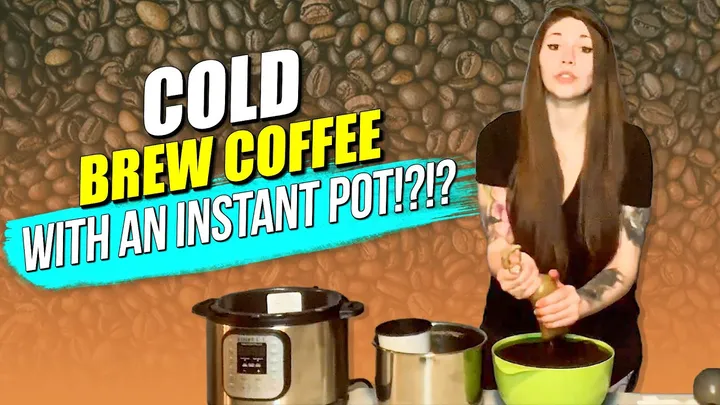
An Instant Pot has no cold brew setting. Our method pressure-brews 1½ cups of coffee in water to the max line for 5 minutes, then cools it 2 hours: hot coffee for icing, not cold brew.
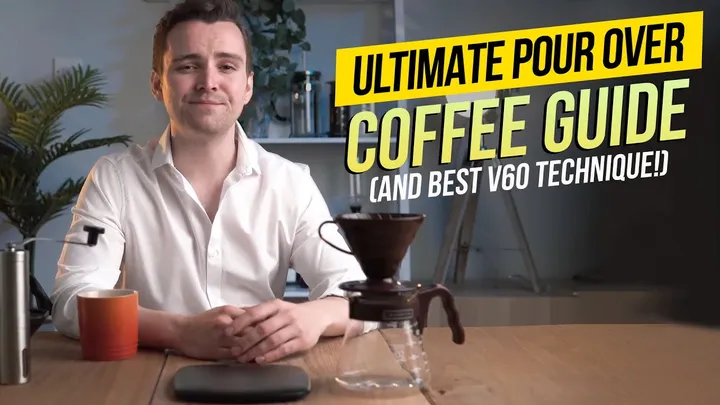
Brew a V60 with Jonathan Gagné's recipe: 22 g of coffee to 352 g of water, a swirled bloom and two pours. Then learn what bloom, temperature, grind and swirling change in the cup.

The PuckPuck drips ice water through an AeroPress: 38 g of coffee, 400 ml of water and 100 g of ice at about 50 drops a minute for 2½ to 3 hours. Our 2020 review, the maker's method, and stock.

The 2015–2019 World AeroPress Championship winning recipes as the WAC publishes them, how each tasted when we brewed them side by side in 2020, and what AeroPress itself now advises.

Make cold brew in a Toddy with Toddy's own numbers: 340 g of coarse coffee and 8 cups of water, steeped 8 to 24 hours for about 40 fl oz of concentrate, served one part to two.

Low acid coffee usually means a higher pH, but pH, total acid and how sour a cup tastes are different measures. Here is what the research shows, with seven brands compared.

How long a CoffeeSock lasts (its maker suggests a new one after 9 to 12 months), how to make cold brew in it with CoffeeSock's own amounts and steep times, and how to clean it.
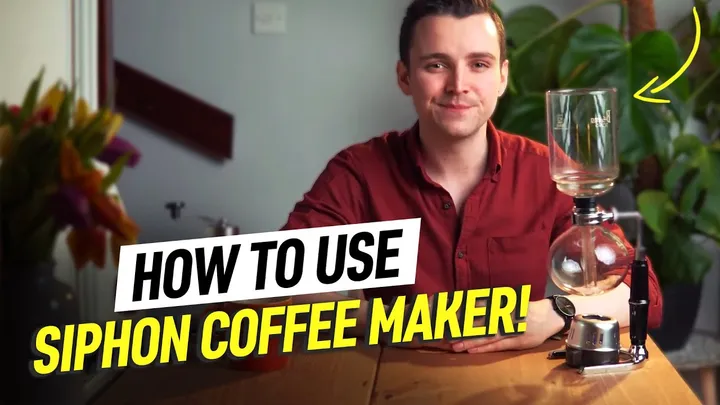
Brew a siphon with Jessica Easto's three-cup recipe: 22 g of coffee, 300 g of water, 202°F and about 2 minutes of brewing. Plus how the vacuum works, safe heat sources and filter care.

Find the right grind for every brew method, from Turkish coffee to the French press: the texture to aim for, our illustrative micron bands, the signs a grind is off, and how to dial it in.