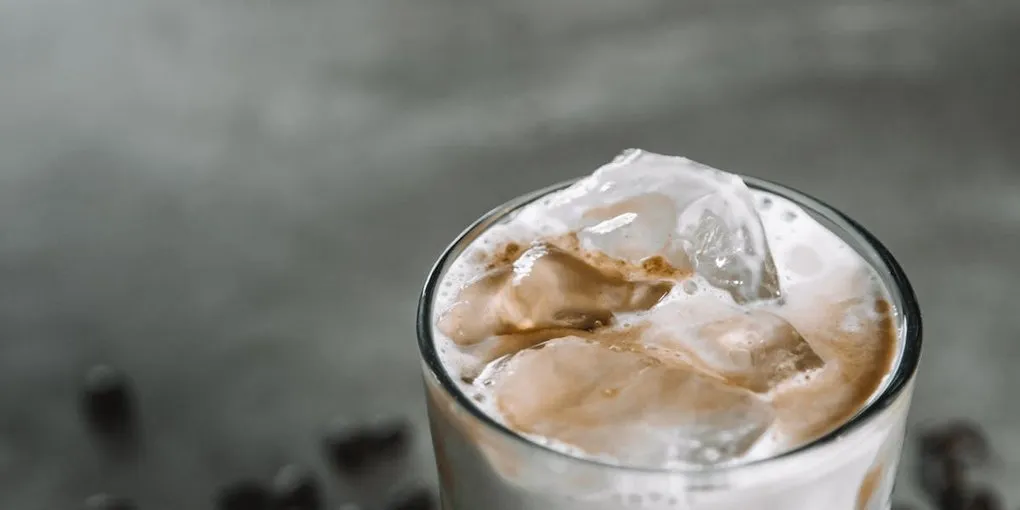
Protein coffee — often called “proffee” — is one of those trends that sounds like a fitness influencer gimmick but has a legitimate logic behind it. The idea is simple: combine protein powder with coffee to get caffeine and protein in a single drink, ideally supporting both workout performance and daily protein intake. The trend exploded on TikTok around 2021 and has since moved from social media novelty into mainstream fitness culture.
The question worth asking is not whether it is popular. The question is whether the science actually supports the claims people make about it — and whether you can make it taste good, because a clumpy protein shake with bitter coffee is not something anyone should have to drink.
What Protein Coffee Actually Is
Protein coffee is any combination of coffee and protein powder (or a premade protein shake). The most common versions are iced coffee blended with a scoop of protein powder, espresso poured over a chilled protein shake, or cold brew mixed with a ready-to-drink shake like Premier Protein or Fairlife.
The appeal is efficiency: two things your morning might already include, combined into one drink. A typical serving delivers 20 to 30 grams of protein and 80 to 150 milligrams of caffeine, depending on the coffee and protein source.
The Caffeine Side: What Coffee Brings to the Table
Caffeine is a competitive antagonist of adenosine receptors in the brain. By blocking adenosine — the compound that builds up during waking hours and promotes sleepiness — caffeine increases the release of norepinephrine, dopamine, acetylcholine, serotonin, and glutamate. The result is improved alertness, reaction time, and focus, with effects typically felt within 15 to 60 minutes of consumption.
For exercise specifically, caffeine consumed roughly 30 to 60 minutes before a workout can improve power output, muscle endurance, and resistance to fatigue. The International Society of Sports Nutrition’s position stand identifies 60 minutes pre-exercise as the most studied timing, with peak blood levels reached 30 to 75 minutes after ingestion. The FDA considers up to 400 milligrams per day generally safe for healthy adults. A single 8 oz cup of drip coffee contains about 95 to 120 milligrams of caffeine; a single espresso shot averages 63 milligrams (so a double is about 126 mg).
The caffeine metabolism story matters here. The CYP1A2 gene determines whether you are a fast or slow caffeine metabolizer, and clearance rates can vary up to 40-fold between individuals. Caffeine’s average half-life is about 5 hours — meaning half the caffeine from a morning proffee is still in your system at lunchtime. If you are a slow metabolizer, that window stretches significantly, and an afternoon proffee can disrupt sleep that night.
The Protein Side: Does Adding Protein to Coffee Do Anything Special?
Here is where the honest assessment starts. Protein powder in coffee does not create any unique synergy you would not get from consuming protein and coffee separately. What it does offer is convenience and, for some people, a way to increase protein intake that fits an existing morning routine.
The claims worth evaluating:
Appetite Suppression
This one has genuine support. Protein is the most satiating macronutrient — it reduces hunger and promotes fullness more effectively than carbohydrates or fat. Multiple clinical studies confirm that a protein-rich breakfast (or breakfast replacement) reduces total calorie intake later in the day. Adding 20 to 30 grams of protein to your morning coffee instead of drinking black coffee alone will almost certainly keep you fuller longer.
Metabolism Boost
Technically true but modest. Protein has a much higher thermic effect than carbohydrates or fat — your body uses 20 to 30 percent of the calories in dietary protein on digestion and processing alone, versus 5 to 15 percent for carbs and roughly 0 to 5 percent for fat. For 30 grams of whey, that works out to about 24 to 36 extra calories burned on digestion. Combined with caffeine’s mild thermogenic effect, proffee does technically increase metabolic rate. Whether this translates into meaningful weight loss without other dietary changes is unlikely.
Workout Performance
Caffeine before exercise is well-supported by research. Protein after exercise is well-supported. The combination in a single pre-workout drink is convenient but not necessarily optimal. Here is why: if you consume protein right before intense exercise, it sits in your stomach competing for blood flow that your muscles need. A better strategy for many people is caffeine 30 to 60 minutes before the workout and protein within 30 to 60 minutes after. That said, if your workout is moderate (walking, light lifting, yoga) rather than high-intensity, a pre-workout proffee is unlikely to cause issues.
Muscle Recovery
Protein powder provides amino acids that support muscle repair and growth. This is true regardless of whether the protein is mixed into coffee or consumed separately. Coffee does not enhance protein absorption. However, it does not meaningfully impair it either — the older concern that coffee’s tannins and polyphenols interfere with protein digestion has not held up in real-world consumption studies.
The Clumping Problem: Why Protein Powder and Hot Coffee Do Not Mix Easily
This is the practical challenge that makes or breaks the proffee experience. Whey protein begins to denature — its molecular structure unfolds — at temperatures starting around 150°F (65°C). The dominant whey protein, β-lactoglobulin, denatures aggressively above about 70°C (158°F), and freshly brewed coffee typically arrives at 195 to 205°F (90 to 96°C). Dump whey powder into hot coffee and the proteins unfold rapidly, bond to each other, and form visible clumps almost instantly.
Important clarification: denaturation changes the protein’s texture and behavior, but it does not destroy its nutritional value. You still absorb the amino acids — the same way you absorb amino acids from a cooked egg, which is also denatured. The problem is purely textural — clumpy coffee is unpleasant to drink.
Choosing a Protein Powder for Coffee
Not all protein powders work equally well. Here is what to look for.
Whey isolate is the most common choice. It has a high protein percentage (90 percent or more) with minimal fat and carbohydrates. Works best in iced preparations. Fast-digesting — useful as a post-workout protein.
Casein produces a thicker, creamier texture. It handles heat slightly better than whey and creates a more latte-like mouthfeel. Casein is also the protein that makes up roughly 80 percent of dairy milk (whey is the other 20 percent), which is why it behaves more like cream when blended.
Collagen peptides dissolve cleanly in hot or cold coffee with virtually no texture change. The tradeoff: collagen is not a complete protein — it lacks tryptophan and is low in cysteine and methionine. About 47 percent of collagen is glycine, proline, and hydroxyproline; only about 14 percent is essential amino acids. Good for skin and joint support but not optimal as your sole protein source for muscle building.
Plant-based blends (pea, rice, hemp) vary widely. Look for ones specifically marketed as smooth-mixing. Many have a chalky or gritty texture that coffee cannot mask. Pea protein performs the best of the plant options for foam stability and mixing — it is what most “barista” plant milks use as their protein base.
Avoid protein powders with heavy artificial sweetener loads if you plan to mix with quality coffee. Sucralose and acesulfame potassium can clash with coffee’s natural flavor compounds in unpleasant ways. Lightly sweetened or unflavored options work best, especially with a good medium-roast coffee that has natural chocolate and caramel notes.
An Honest Assessment: Is Proffee Worth It?
If you already drink coffee and want to increase your protein intake, proffee is a convenient vehicle. It solves a real problem for people who skip breakfast, struggle to hit protein targets, or want a more filling morning drink. The iced version, in particular, can taste genuinely good — cold brew with a vanilla or chocolate protein shake is hard to argue with.
What proffee is not: a weight-loss hack, a performance-enhancing breakthrough, or nutritionally superior to eating real food alongside your coffee. Whole-food protein sources contain vitamins, minerals, and beneficial compounds protein powders lack. A couple of eggs and a cup of coffee will always be nutritionally richer than proffee.
The marketing around proffee sometimes implies it has metabolic or fitness properties beyond what the individual ingredients provide. It does not. It is protein plus coffee. That is genuinely useful for the right person — but it is not magic.
Three Recipes That Actually Taste Good
Iced Vanilla Proffee: Shake 1 scoop vanilla whey isolate with 8 oz cold brew concentrate (diluted 1:1 with water) and a handful of ice. Pour over ice in a tall glass. Add a splash of oat milk if you want more body.
Mocha Protein Latte: Blend 1 scoop chocolate casein with 6 oz cooled coffee (around 140°F), 2 oz milk of choice, and ice. The casein makes it thick and latte-like.
Collagen Cold Brew: Stir 1 scoop unflavored collagen peptides into 12 oz cold brew. Add ice and a splash of half-and-half. The subtlest version — the collagen disappears completely, and you just have a slightly more filling cold brew.
A useful protein powder for any of these is Vital Proteins Collagen Peptides (clean-mixing, unflavored, dissolves in hot or cold). For whey, Optimum Nutrition Gold Standard Whey Isolate is the long-standing benchmark.
Some links above are affiliate links. We may earn a small commission at no extra cost to you. We only recommend products we’d actually buy ourselves.
FAQ
Frequently Asked Questions
- Does heating protein powder destroy the protein?
- No. Heat causes denaturation — the protein molecules unfold and change shape — but it does not break the peptide bonds that make up the amino acid chain. Your body still digests and absorbs the amino acids normally. In fact, cooking any protein source (eggs, chicken, fish) involves denaturation, and nobody questions whether cooked chicken has protein. The issue with adding protein powder to hot coffee is purely about texture: denatured whey clumps, making the drink gritty and unpleasant. The nutritional value is unchanged.
- Can I use a ready-to-drink protein shake instead of protein powder?
- Yes, and many people prefer this approach because it eliminates the clumping problem entirely. Premade shakes like Fairlife, Premier Protein, or Orgain are already emulsified and remain smooth when coffee is added. Pour a cold protein shake over ice, then add a shot of espresso or cold brew concentrate on top. The result is essentially an iced latte with 30 grams of protein. The tradeoff is cost — premade shakes run about $2 to $4 per serving versus roughly $0.50 to $1.00 per scoop of powder — and ingredient control, since most premade shakes contain stabilizers, artificial sweeteners, and thickeners.
- Is it better to drink proffee before or after a workout?
- It depends on the workout intensity. For moderate exercise (walking, yoga, light resistance training), pre-workout proffee works fine — the caffeine provides a performance boost and the protein begins digestion during your session. For high-intensity exercise (HIIT, heavy lifting, running), caffeine before and protein after is generally better. A stomach full of protein competes for blood flow with working muscles, which can cause nausea during intense effort. Caffeine's performance benefits peak about 30 to 60 minutes after consumption, so time your coffee accordingly.
- How much protein do I actually need per day?
- The general recommendation for active adults is 0.7 to 1.0 grams of protein per pound of body weight, which aligns with the International Society of Sports Nutrition's range of 1.4 to 2.0 g/kg. For a 150-pound person, that is 105 to 150 grams daily. The baseline RDA for sedentary adults is much lower — about 0.36 g/lb (0.8 g/kg). Most Americans hit total daily protein but front-load it at dinner while underconsuming at breakfast and lunch. Adding 20 to 30 grams to your morning coffee can help distribute intake more evenly, which some research suggests is better for muscle protein synthesis than the same total amount in fewer, larger doses.
- Does coffee interfere with protein absorption?
- There is no strong clinical evidence that coffee meaningfully impairs protein absorption when consumed together. Some older research suggested that tannins and polyphenols in coffee could bind to proteins and reduce digestibility, but the effect in real-world consumption appears minimal. Coffee does stimulate stomach acid production (in a caffeine-independent manner — even decaf does this), which may actually aid protein digestion. The practical answer: drinking protein and coffee together is fine.
- Is proffee bad for sleep?
- It depends entirely on when you drink it and your CYP1A2 genotype. Caffeine has an average half-life of about 5 hours, but the range is 1.5 to 10 hours depending on genetics. A morning proffee is unlikely to affect sleep for most people. An afternoon proffee can disrupt sleep significantly for slow metabolizers. Track your own sensitivity: if coffee after 2 pm keeps you up, you are likely a slow metabolizer, and a 4 pm proffee is a bad idea. The protein component does not affect sleep — only the caffeine does.
- What protein powder mixes best in hot coffee?
- Collagen peptides dissolve cleanly in hot coffee with no clumping or texture change — they are specifically designed to be heat-stable. Casein handles heat better than whey and produces a thicker, latte-like result. Whey isolate clumps badly in fresh hot coffee unless you let the coffee cool to about 140°F first or use a blender. If you want hot proffee with minimal effort, collagen is the easiest choice — though it is not a complete protein source on its own.