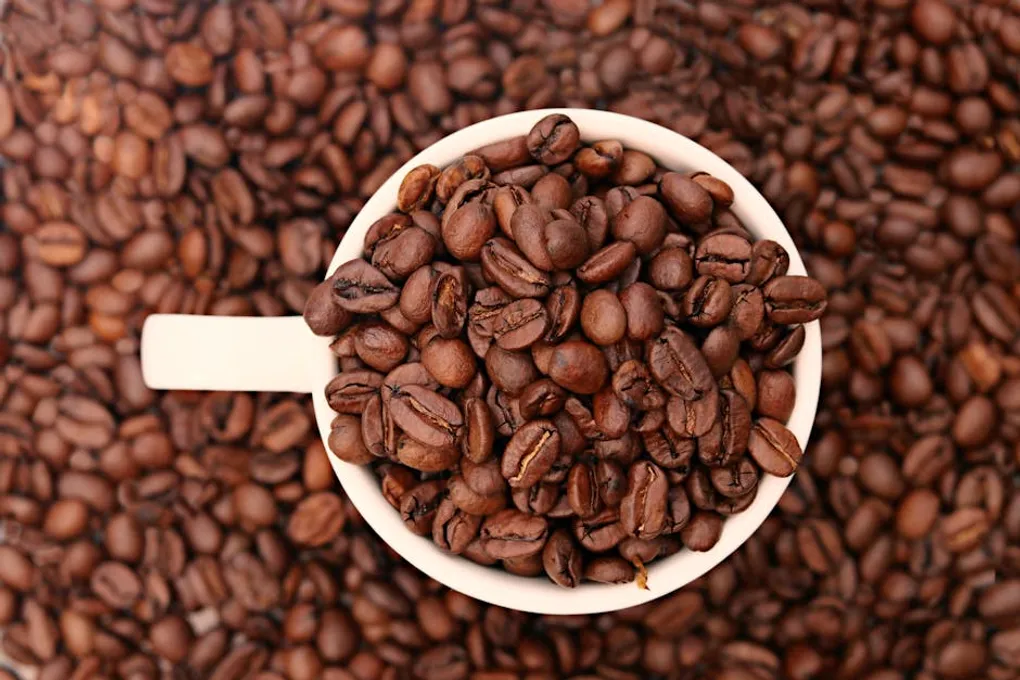
The best coffee you’ll ever buy is probably seasonal. A stunning Kenyan AA from July. An Ethiopian Yirgacheffe lot harvested in December. A Panamanian Gesha that shows up once and disappears. You buy a bag, fall in love, and by the time you reorder, it’s gone — replaced by whatever’s in season now.
Unless you freeze it.
Single-dose freezing is the most effective coffee preservation method available to home brewers. It’s not a hack or a compromise. It’s what competition baristas do with their competition coffee, what researchers recommend, and what the science clearly supports. Done correctly, frozen coffee can taste excellent a year later — and in some cases, the grinding physics actually improve.
Here’s the complete protocol.
The Science: Why Freezing Works
Coffee stales through three simultaneous mechanisms: CO2 escaping from the bean’s cellular structure, volatile aromatic compounds evaporating into the air, and coffee oils migrating to the surface where they oxidize and go rancid. All three are chemical and physical processes driven by molecular energy — and temperature is the primary control on molecular energy.
Drop the temperature to freezer levels (-18 degrees C / 0 degrees F), and you slow all three processes dramatically. Jonathan Gagne and Scott Rao both cite approximately a fifteen-fold reduction in oxidation rate when coffee is properly sealed and frozen. That means a month of staling at room temperature compresses into about two days of equivalent degradation in the freezer. For practical purposes, the staling clock stops.
This isn’t marginal. Rao has reported that a Kenya AA frozen for six years was “really good” when finally pulled from the freezer, ground, and brewed. Six years. The Manchester Coffee Archive has been researching long-term frozen storage with similar findings. When the seal is airtight and the temperature stays constant, coffee preservation borders on indefinite.
The Protocol: Step by Step
1. Start With Fresh Beans
Buy coffee with a roast date clearly printed on the bag. You want beans within two weeks of their roast date — ideally within the first week, since you’ll be resting them before freezing. If you are not sure how to evaluate freshness, the coffee freshness guide covers the full timeline from roast to stale.
2. Let Them Rest Through Peak
Don’t freeze beans straight off the roaster. Freshly roasted coffee is loaded with CO2, and that gas needs to partially escape before you seal the beans up. If you vacuum seal gassy beans, the bags will puff up as CO2 outgasses, and you’ll trap that excess gas with the coffee.
Rest timing depends on roast level:
- Dark roasts: 4-7 days
- Medium roasts: 7-10 days
- Light roasts: 10-14 days
The goal is to freeze at or near peak freshness. You’re pausing the clock at the best possible moment.
3. Portion Into Single Doses
Divide your beans into the exact amount you use for one brew session. For espresso, that’s typically 18g. For pour-over, it’s whatever your recipe calls for — commonly 15-20g for a single cup or 30-36g for a larger brew. Weigh each portion on a scale.
The “single dose” part is critical. You want each portion to be a one-time-use package. Pull it from the freezer, grind it, brew it, done. No opening and resealing. No partial thawing. One portion, one brew.
4. Seal Out Air and Moisture
Your two enemies inside the freezer are residual oxygen and moisture migration. The better your seal, the longer your coffee lasts.
Best: Vacuum sealer. A basic FoodSaver-style vacuum sealer ($30-50) with vacuum bags is the gold standard. It removes virtually all air from around the beans. This is what competition baristas use. If you’re serious about coffee and plan to freeze regularly, this is the single best investment.
Good: Small mason jars. 4oz mason jars, filled to the brim to minimize headspace, sealed tightly. Not as effective as vacuum sealing, but a meaningful step up from bags. The key is minimizing the air pocket above the beans — fill to the top.
Acceptable: Freezer-weight ziplock bags. Use the thick freezer bags, not sandwich bags. Squeeze out every bit of air you can before sealing. Press the bag flat around the beans. For extra protection, double-bag. This works, but it’s the weakest of the three viable options because you can’t remove all the air.
Don’t bother: Regular bags, containers with lots of empty space, anything that isn’t truly airtight. Coffee absorbs freezer odors easily, and any headspace means oxygen exposure. A half-full canister in the freezer will not protect your coffee.
5. Label Everything
Write the coffee name, roast date, and dose weight on each package. Use a Sharpie on vacuum bags, tape on jars, whatever works. You will forget what’s in unmarked packages. Three months from now, you’ll have six identical vacuum-sealed bags and no idea which is the Kenyan and which is the Colombian. Label them.
6. Freeze Immediately
Place the sealed portions in the freezer. Ideally, use a chest freezer or the back of a standard freezer where the temperature stays most consistent. Avoid the door shelves — they experience the most temperature fluctuation every time you open the freezer.
7. Grind From Frozen
When you’re ready to brew, pull one portion from the freezer and grind it immediately. Do not thaw first. Do not let it sit on the counter to “come to room temperature.” Grind it frozen.
This is not just about convenience — there’s a real scientific advantage. Christopher Hendon’s research at the University of Oregon (the same researcher behind the landmark water chemistry work with Maxwell Colonna-Dashwood at the University of Bath) found that colder beans are more brittle. When they shatter in the grinder rather than crushing and deforming, they produce a more uniform particle size distribution. Tighter particle distribution means more even extraction. More even extraction means a better cup.
Both Gagne and Jessica Easto note this grinding benefit. Competition baristas don’t just freeze for preservation — they freeze specifically for the grinding advantage. Multiple World Barista Championship winners have used frozen beans in competition, grinding them straight from the freezer.
8. Never Refreeze
Once a portion has thawed, use it. Do not put it back in the freezer. During thawing, moisture from the surrounding air condenses on the cold beans. If you refreeze, that moisture becomes ice crystals inside the bean’s cellular structure, physically damaging it. Each freeze-thaw cycle introduces more moisture and more structural damage. One thaw is fine — the beans just return to a normal state. Two or more cycles and you’re actively degrading the coffee.
What to Freeze (And Why)
The best use of single-dose freezing isn’t preserving your daily drinker — it’s stockpiling seasonal favorites.
Coffee is an agricultural product. The Kenyan lots that arrive in August won’t be available in February. That exceptional washed Ethiopian you loved last spring has a different lot this year. Single origins rotate with harvest seasons, and the specific lot you fell in love with will likely never exist again.
The strategy: when you find a coffee you love — especially a seasonal single origin — buy two or three bags. Open one to drink now. Portion and freeze the rest. Pull from the freezer over the next two to three months. This is how you drink peak-season coffee year-round.
This also works for buying in bulk from roasters who offer discounts on larger orders, or for stocking up before a price increase. Freeze at peak freshness, pull as needed.
A vacuum sealer with bags is the single most useful investment for this protocol — a basic FoodSaver runs $30-50 and pays for itself the first time you save a bag of something exceptional.
Addressing the Skeptics
If this sounds like folk wisdom or a dubious home-brew trick, consider the credentials behind it.
Scott Rao — one of the most published and referenced coffee professionals in the industry — advocates for freezing and has tested it over years, including the six-year Kenya experiment. Jonathan Gagne, whose quantitative research on coffee science is arguably the most rigorous available to consumers, advocates freezing. Multiple World Barista Championship winners freeze their competition coffee. Hendon’s peer-reviewed research at the University of Oregon confirmed the particle distribution benefits of grinding from frozen. The Manchester Coffee Archive has been systematically studying long-term frozen storage.
This is not a debate among professionals. The consensus is clear: properly sealed, single-dose frozen coffee is an excellent preservation method. The people who say you should never freeze coffee are repeating outdated advice based on the (correct) observation that tossing an open bag in the freezer doesn’t work. Proper protocol changes everything.
Common Mistakes
Freezing in the original bag. Once you’ve opened the bag, the one-way valve and resealable top are not airtight enough for long-term freezer storage. Air and moisture will get in. Repackage into vacuum bags, jars, or ziplock bags.
Freezing ground coffee. Ground coffee has orders of magnitude more surface area than whole beans. Even frozen, the exposed surface area accelerates staling — and moisture will condense on all those tiny particles when you open the container. Freeze whole beans only.
Thawing and refreezing repeatedly. Every cycle introduces condensation. If you portioned correctly into single doses, you never need to open a container until you’re ready to grind. That’s the entire point of single-dose portioning.
Not waiting for the rest period. Beans straight off the roaster are still outgassing heavily. Vacuum seal them too early and the bags puff up from CO2, potentially breaking the seal. Worse, all that trapped CO2 means the beans haven’t reached their peak flavor when you freeze them. Let them rest. Freeze at peak, not at day one.
Forgetting to label. This one seems trivial until you’re staring at a freezer full of identical vacuum-sealed bags with no idea what’s inside or when it was roasted. A few seconds with a marker saves real frustration later.
Brewing Frozen Coffee Well
Once you’ve pulled a frozen dose and ground it, the brewing process is the same as always — but a few things matter more when you’re working with premium beans worth freezing in the first place.
Water quality is critical. Filtered water with moderate mineral content (50-175 ppm TDS) lets the coffee’s actual flavors come through. Hard tap water competes with and masks those flavors.
Grind size matters as much as ever. Cold beans may grind slightly finer than the same beans at room temperature, so you might need to adjust one setting coarser to compensate.
Pour-over is ideal for showcasing any single origin worth freezing — the clarity of the method lets the bean’s character come through fully. The AeroPress is another excellent option, especially for single cups with frozen doses.
The Bottom Line
Single-dose freezing is the most powerful tool available for preserving coffee quality at home. It slows oxidation by roughly fifteen-fold, it produces better grind uniformity, and it lets you stockpile seasonal favorites that would otherwise disappear. The protocol is simple: rest to peak, portion, seal, freeze, grind from frozen, never refreeze.
Buy the best coffee you can find. Drink one bag fresh. Freeze the rest. Pull from the freezer whenever you want a perfect cup of something that hasn’t been available for months. That’s not a compromise — that’s how the best baristas in the world manage their coffee.
Frequently Asked Questions
- How long can you freeze coffee beans?
- Properly vacuum-sealed whole beans can stay excellent in the freezer for a year or more with negligible quality loss. Oxidation drops approximately fifteen-fold at freezer temperatures when air is excluded. Scott Rao reported that a Kenya AA frozen for six years was still "really good." For practical purposes, 2-3 months is the most common use case, but the science supports much longer storage if the seal holds.
- Should you thaw frozen coffee beans before grinding?
- No — grind them immediately from frozen. Research by Christopher Hendon at the University of Oregon showed that colder beans are more brittle and shatter more uniformly in the grinder, producing a tighter particle size distribution and more even extraction. This is why competition baristas grind from frozen. Thawing first also causes condensation to form on the cold beans, introducing moisture that damages both the coffee and your grinder.
- Can you freeze ground coffee?
- You can, but it is far less effective than freezing whole beans. Ground coffee has dramatically more surface area exposed to air, so even frozen, staling continues at a faster rate. Moisture will also condense on the many tiny particles when you open the container. For best results, always freeze whole beans and grind immediately before brewing.
- What is the best way to seal coffee for freezing?
- A vacuum sealer ($30-50 for a basic FoodSaver) with vacuum bags is the gold standard — it removes virtually all air from around the beans. Small mason jars (4oz size) filled to the brim work well too. Freezer-weight ziplock bags with all air squeezed out are acceptable but less effective. The key is minimizing oxygen exposure and preventing moisture from reaching the beans. Avoid containers with lots of empty headspace.
- Why do competition baristas freeze their coffee?
- Two reasons. First, preservation: competitions are scheduled weeks or months after a roaster prepares competition lots, so freezing pauses the staling clock until competition day. Second, grind quality: frozen beans shatter more uniformly than room-temperature beans, producing more consistent particle sizes and more even extraction. Multiple World Barista Championship winners have ground from frozen on the competition stage. It is not a workaround — it is a deliberate performance advantage.
Some links above are affiliate links. If you purchase through them, we earn a small commission at no extra cost to you.