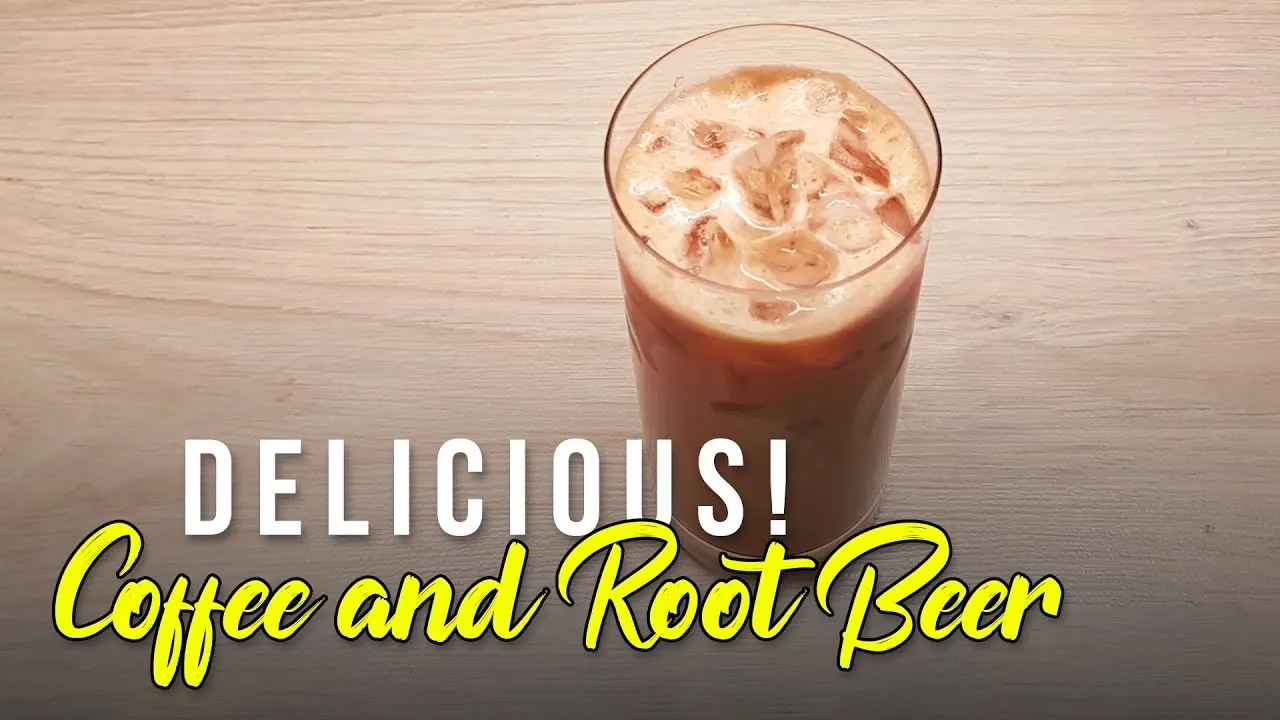
I was skeptical. Espresso meets candy-sweet soda? Then I tried it. The sweetness of root beer tempers espresso’s bitterness, the espresso prevents the soda from tasting saccharine, and the carbonation adds a lightness that makes the whole thing refreshing. It’s flavor chemistry, not a random accident.
Why It Works
Root beer isn’t just sugar — it’s vanilla, anise, cloves, wintergreen, and caramel. Those warm spice notes complement coffee’s bitter, roasted complexity. The carbonation lifts the flavors and keeps the drink from feeling heavy. When espresso hits root beer, the crema interacts with the bubbles to create a momentary texture that’s almost ethereal.
If you enjoy experimenting with coffee + soda pairings, the cream soda version is worth comparing — it’s smoother and more vanilla-forward, while root beer is bolder and more complex.
Four Ways to Make It
Choosing Your Root Beer
Quality matters. Avoid mass-market root beers made with high-fructose corn syrup — they taste one-dimensional. Look for:
- Virgil’s — 15 roots and spices, cane sugar, complex (top pick)
- Hank’s — Cream-forward, spicy undertones
- A&W — Available everywhere, reliable vanilla sweetness
- Stewart’s — Toasty, holiday spice profile
- Hosmer Mountain — Brown sugar base, pairs beautifully with espresso
You can find Virgil’s root beer on Amazon if it’s not stocked locally.
Tips
- Temperature contrast matters — hot espresso + cold root beer is part of the magic
- Pour slowly to preserve carbonation
- Use fresh, quality coffee — stale coffee tastes stale even with root beer
- Hard to mess up — even imperfect ratios taste good
For the cold brew version, an Instant Pot makes excellent concentrate in 5 minutes — no overnight steep required. And if you want to compare this pairing style to another soda combo, try the coffee and cola ice cream float next.
Frequently Asked Questions
- Does coffee and root beer actually taste good?
- Yes — surprisingly so. The vanilla, anise, cloves, and caramel in root beer complement coffee's bitter, roasted complexity rather than clashing with it. The carbonation adds lightness and refreshment. The key is using quality root beer (look for cane sugar, not HFCS) and strong coffee (espresso or cold brew). It's not for everyone, but most people who try it are genuinely surprised.
- What's the best root beer to mix with coffee?
- Virgil's is the top pick — it has 15 roots and spices with cane sugar, producing a complex flavor that pairs well with espresso. Hosmer Mountain (brown sugar base) and Stewart's (toasty, holiday spice) are also excellent. Avoid mass-market root beers made with high-fructose corn syrup — they taste one-dimensional and too sweet when mixed with coffee.
- Should you use hot or cold coffee for a root beer float?
- Hot espresso is actually part of the magic. The temperature contrast between hot espresso and cold root beer creates a unique sensory experience, and the crema interacts with the carbonation to produce an almost ethereal texture. For a gentler version, cold brew works well and preserves more carbonation. Both approaches produce genuinely different drinks worth trying.
- How much caffeine is in a coffee root beer?
- About the same as whatever coffee you use. A dirty root beer made with a single espresso shot contains roughly 63 mg of caffeine. A cold brew version (4 oz cold brew) has roughly 100 mg. The root beer contributes zero caffeine. If you want it lighter, use half a shot of espresso.
Some links above are affiliate links. If you purchase through them, we earn a small commission at no extra cost to you.