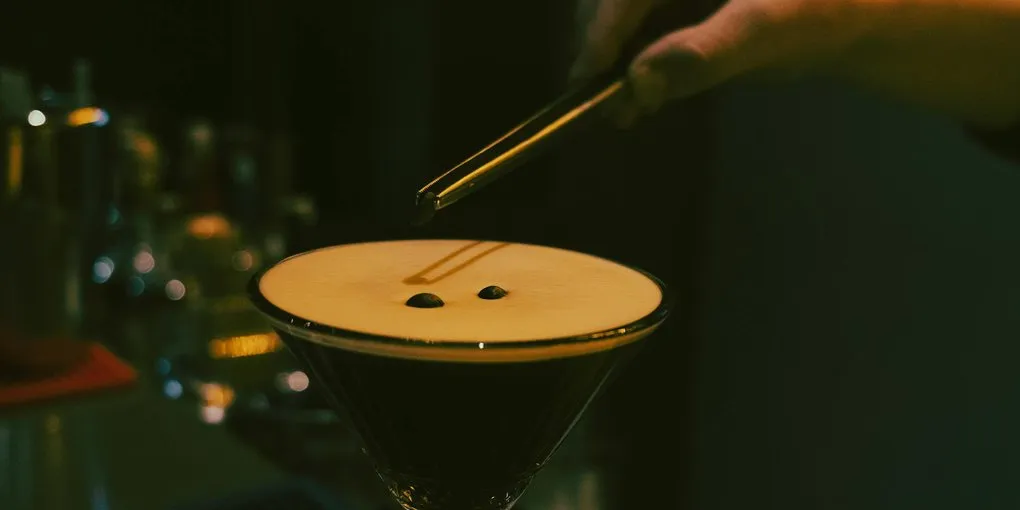
Coffee and spirits share more common ground than most people realize. Both are built on complex flavor chemistry — roasted, bitter, sweet, aromatic compounds that layer and interact. A shot of espresso has over 800 volatile aromatic compounds developed during roasting. Good whiskey or aged rum brings its own library of flavor molecules from barrel aging. When you combine them thoughtfully, the result can be more interesting than either ingredient alone.
These eight recipes range from the iconic espresso martini to lesser-known classics like the carajillo and coffee negroni. Each one is designed for home preparation with realistic equipment — you do not need a commercial bar setup. What you do need is good coffee, because in a drink with only three or four ingredients, every one of them matters.
Choosing Coffee for Cocktails
The coffee you use will define the drink. For espresso-based cocktails, dial in your shot to a balanced, slightly sweet extraction — sour or bitter espresso will carry those flaws into the cocktail. A medium roast with chocolate and caramel notes tends to work best across most recipes. Light-roast fruitiness can clash with brown spirits, and very dark roasts can make drinks taste ashy. Understanding roast levels helps you pick the right bean for your cocktail of choice.
For cold-brew-based cocktails, a well-made concentrate at a 1:6 coffee-to-water ratio gives you the intensity needed to stand up to spirits without being diluted into nothing. Cold brew’s naturally smooth, low-acid profile makes it especially forgiving in cocktails.
One practical note: let espresso cool for a minute before shaking with ice. Pouring a 200-degree shot directly over ice creates excessive dilution and can crack glass.
1. Classic Espresso Martini
The espresso martini was invented in 1983 by London bartender Dick Bradsell at the Soho Brasserie. The story goes that a young model asked him to make her something that would “wake me up, then mess me up.” It has since become one of the most-ordered cocktails worldwide, experiencing a massive revival starting around 2022 that shows no signs of slowing.
Ingredients:
- 2 oz vodka
- 1 oz freshly pulled espresso, cooled slightly
- 0.5 oz coffee liqueur (Kahlua or Mr. Black)
- 0.5 oz simple syrup
Method:
- Pull a double espresso and let it cool for 60 seconds.
- Add all ingredients to a cocktail shaker with ice.
- Shake vigorously for 15 seconds — this is what creates the signature crema-like foam.
- Double-strain into a chilled coupe or martini glass.
- Garnish with three coffee beans (the traditional “health, wealth, happiness” garnish).
Tips: The foam is everything. Shake hard. If you want a more coffee-forward drink, swap Kahlua for Mr. Black, which is less sweet and more intensely coffee-flavored. For a richer version, use cold brew concentrate instead of espresso — you lose the crema foam but gain a smoother, rounder coffee flavor.
2. Irish Coffee
Invented in the 1940s by Joe Sheridan at the Foynes airbase in western Ireland, Irish coffee was designed to warm up transatlantic air travelers arriving on cold, damp nights. It was later popularized in San Francisco at the Buena Vista Cafe, which still serves thousands daily.
Ingredients:
- 6 oz hot brewed coffee (medium roast, freshly made)
- 1.5 oz Irish whiskey
- 1 tbsp brown sugar or demerara sugar
- Lightly whipped heavy cream
Method:
- Preheat an Irish coffee glass or mug with hot water, then discard.
- Add hot coffee and sugar. Stir until sugar dissolves completely.
- Add Irish whiskey and stir gently.
- Whip heavy cream until it just holds its shape — you want it pourable, not stiff.
- Pour cream slowly over the back of a spoon so it floats on the surface.
Tips: Do not stir after adding the cream. The experience is drinking hot, sweet, whiskey-laced coffee through a cold cream layer. The temperature and texture contrast is the whole point. Use a quality blended Irish whiskey — Jameson, Powers, or Redbreast if you are feeling generous.
3. Carajillo
The carajillo is a two-ingredient cocktail that has become the signature coffee drink across Mexico and Spain. The Mexican version, which is the one most people know, pairs espresso with Licor 43 — a Spanish vanilla-citrus liqueur made from 43 botanical ingredients.
Ingredients:
- 1.5 oz Licor 43
- 1.5 oz espresso, cooled
Method:
- Add Licor 43 and cooled espresso to a shaker with ice.
- Shake until frosty, about 10 seconds.
- Strain into a rocks glass over fresh ice.
- Garnish with coffee beans.
Tips: The simplicity is the appeal. With only two ingredients, the quality of each matters enormously. A slightly sweet, nutty espresso pairs beautifully with the vanilla notes in Licor 43. For the Spanish version, substitute brandy for the liqueur — it becomes a drier, more spirit-forward drink.
4. Coffee Old Fashioned
The Old Fashioned is the template cocktail — spirit, sugar, bitters. Adding cold brew creates a coffee variation that is sophisticated, not gimmicky.
Ingredients:
- 2 oz bourbon or rye whiskey
- 1 oz cold brew concentrate
- 0.25 oz simple syrup or maple syrup
- 2 dashes Angostura bitters
- Orange peel for garnish
Method:
- Combine whiskey, cold brew concentrate, syrup, and bitters in a mixing glass.
- Add ice and stir for 20 to 30 seconds (do not shake — clarity matters here).
- Strain into a rocks glass over a large ice cube.
- Express an orange peel over the surface and drop it in.
Tips: Maple syrup instead of simple syrup adds a roasted, woodsy sweetness that integrates beautifully with both the bourbon and the coffee. If the drink tastes too sweet, reduce syrup by half. This cocktail benefits from a bold cold brew — the coffee needs to hold its own against the whiskey.
5. Coffee Negroni
The negroni’s bitter, herbal profile is a natural match for coffee’s roasted bitterness. There are two approaches: add espresso directly, or infuse the Campari with coffee beans ahead of time for a subtler integration.
Ingredients (direct method):
- 1 oz gin
- 1 oz Campari
- 1 oz sweet vermouth
- 0.5 oz espresso, cooled
Method:
- Combine all ingredients in a mixing glass with ice.
- Stir for 30 seconds.
- Strain into a rocks glass over a large ice cube.
- Garnish with an orange peel.
Infusion method (advanced): Add 2 tablespoons of whole coffee beans to 8 ounces of Campari. Let sit at room temperature for 24 hours. Strain out the beans and use this coffee-infused Campari in your standard negroni recipe (1:1:1 ratio with gin and sweet vermouth, no additional espresso needed).
Tips: The infusion method produces a more seamless, integrated coffee flavor. The direct method is bolder and more immediate. Both work. Use a medium-roast coffee for the infusion — dark roast can make the Campari taste ashy.
6. Espresso Tonic
Not technically a cocktail in the alcoholic sense, but this has become a specialty coffee shop staple since emerging from Scandinavian coffee culture in the mid-2010s. It deserves its place here because it is genuinely surprising — the combination sounds strange but works brilliantly.
Ingredients:
- 1 double espresso, cooled
- 6 oz premium tonic water (Fever-Tree, Q Tonic)
- Ice
- Optional: 1.5 oz gin or vodka to make it a proper cocktail
Method:
- Fill a tall glass with ice.
- Pour tonic water over the ice.
- Slowly pour cooled espresso over the back of a spoon so it layers on top.
- Serve with a straw or stir gently before drinking.
Tips: The visual layering is half the appeal. Cheap tonic water with high-fructose corn syrup will taste cloying — use a quality tonic with real quinine. The bitterness of the tonic and the bitterness of the espresso should complement, not compound. Adding gin turns this into a coffee G&T that is genuinely outstanding on a hot afternoon.
7. Cold Brew White Russian
The Dude’s drink, upgraded. Swapping brewed coffee or coffee liqueur for cold brew concentrate gives the White Russian a legitimate coffee backbone instead of just sweetness.
Ingredients:
- 2 oz vodka
- 1 oz cold brew concentrate
- 0.5 oz coffee liqueur
- 1 oz heavy cream or half-and-half
Method:
- Fill a rocks glass with ice.
- Add vodka, cold brew concentrate, and coffee liqueur. Stir.
- Float cream on top by pouring slowly over the back of a spoon.
- Stir partially or drink layered — your choice.
Tips: The cold brew concentrate does the heavy lifting on coffee flavor, which lets you reduce the coffee liqueur (and its sugar content). For a vegan version, oat milk substitutes well for cream — its natural sweetness and body come close to the original texture. For more on plant-milk choices in coffee drinks, see our best plant milks for coffee guide.
8. Coffee Amaretto Sour
Amaretto’s almond-and-stone-fruit sweetness pairs with coffee the same way a biscotti pairs with espresso. This is a dessert cocktail that does not taste like dessert — the lemon juice keeps it bright and balanced.
Ingredients:
- 1.5 oz amaretto
- 0.75 oz bourbon
- 1 oz espresso, cooled
- 0.75 oz fresh lemon juice
- 0.5 oz simple syrup
- Egg white (optional, for foam)
Method:
- If using egg white, dry shake (no ice) all ingredients for 10 seconds first to emulsify.
- Add ice and shake vigorously for 15 seconds.
- Double-strain into a coupe glass.
- Garnish with a few drops of coffee on the foam (use a straw to draw a pattern if you are feeling artful).
Tips: The bourbon is essential — it adds backbone and prevents the drink from becoming too sweet. Without it, amaretto can be cloying. The egg white creates a luxurious foam that catches the coffee garnish. Skip it if you prefer a cleaner presentation, but the texture difference is significant.
A Note on Coffee Freshness in Cocktails
The same rules that apply to brewing great coffee apply to cocktails. Espresso tastes best within minutes of pulling — the character-impact aroma compound 2-furfurylthiol, which gives coffee its signature roasted scent, degrades by 84 percent within 60 minutes at serving temperature. Pull your shots right before mixing. Cold brew concentrate is more stable and can be refrigerated for up to two weeks, making it the more practical base for batch cocktails or impromptu entertaining. For the caffeine math behind these drinks, see our caffeine in coffee guide — a single espresso shot contributes about 63 milligrams, roughly equivalent to a strong cup of tea.
Frequently Asked Questions
- Can I use instant coffee instead of espresso in coffee cocktails?
- You can, but the results will be noticeably different. Instant coffee dissolves completely and provides caffeine and basic coffee flavor, but it lacks the oils, crema-forming compounds, and aromatic complexity of freshly pulled espresso. For an espresso martini, the signature foam on top depends on fresh espresso's natural surfactants and CO2 -- instant coffee will not produce that layer. If espresso is not an option, cold brew concentrate is a much better substitute than instant. Moka pot coffee also works well -- it produces about 1.5 bar of pressure (compared to espresso's 9 bar) and extracts more flavor compounds than instant.
- How far ahead can I batch-prep coffee cocktails for a party?
- Cold-brew-based cocktails batch well. Mix the spirits, cold brew concentrate, and syrups up to 24 hours ahead, refrigerated. Add ice and any fresh ingredients (cream, citrus) just before serving. Espresso-based cocktails do not batch as well because espresso degrades quickly -- the key aroma compound 2-furfurylthiol loses 84 percent of its intensity within an hour. If you are serving espresso martinis for a group, the most practical approach is to pre-measure spirits and syrups into individual shaker portions, then pull and add espresso one drink at a time.
- Does the caffeine in coffee cocktails actually keep you awake?
- Yes -- caffeine is not neutralized by alcohol. A single espresso shot contributes about 63 milligrams of caffeine, roughly equivalent to a strong cup of tea. Alcohol may mask your perception of caffeine's stimulant effect, which is actually the concern: caffeine can make you feel less intoxicated than you are, potentially leading to overconsumption. If you are drinking coffee cocktails after dinner, be aware that caffeine's average half-life is about 5 hours, so an espresso martini at 9 PM means roughly 30 milligrams of caffeine still circulating at 2 AM.
- What is the difference between Kahlua and Mr. Black as coffee liqueurs?
- Kahlua is sweeter, lower in alcohol content (20% ABV), and has a more syrupy, vanilla-and-caramel-forward flavor that includes added sugar. Mr. Black is an Australian coffee liqueur that is drier, higher in alcohol (around 25% ABV), and uses cold brew and specialty-roasted coffee as its base -- it tastes more recognizably like actual coffee. In cocktails where coffee flavor should dominate (espresso martini, coffee negroni), Mr. Black generally produces a better result. Where you want roundness and sweetness (White Russian, amaretto sour), Kahlua's extra sweetness can be an advantage.