
Brewing 9 min read
AeroPress vs French Press: An Honest Head-to-Head
AeroPress or French press? Which suits one mug, a crowd or a trip, how the filters change the cup, each maker's own method, and the same 8 fl oz mug brewed both ways.
AeroPress or French press? Which suits one mug, a crowd or a trip, how the filters change the cup, each maker's own method, and the same 8 fl oz mug brewed both ways.

Pour-over or French press? How percolation and immersion differ, what paper and metal filters do to the cup, one 12 fl oz mug brewed both ways, and which one suits your mornings.
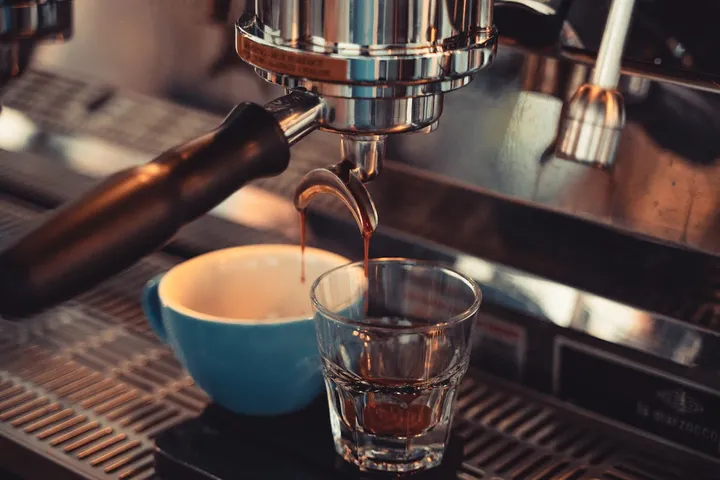
Espresso vs drip coffee compared by ratio, grind, time, strength and extraction, plus caffeine per drink and per ounce: espresso is far stronger, but a mug of drip usually holds more caffeine.

Conical and flat burrs both grind a spread of sizes. What Gagné's analysis of 24 espresso grinders found, why flat isn't automatically more even, and what to compare when you choose.
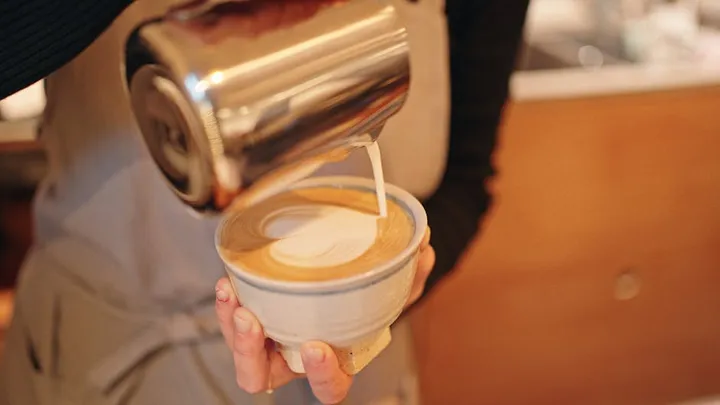
What the coffee and milk in a six-dollar latte cost at September 2026 prices, with the ICO and BLS figures and the arithmetic shown, and where the rest of the price goes.

Eight pour-over drippers compared from their makers' specs and Jonathan Gagné's measurements: cone or flat bottom, which filters they take, how much they brew and who each one suits.

What under $200 buys for espresso: a pump machine and a lever press listed at that price, how they differ from steam-driven brewers, and what an espresso grinder adds to the budget.
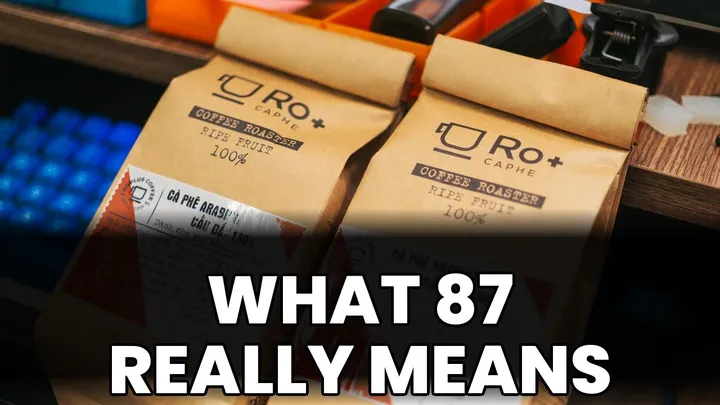
How the SCA's 2004 cupping form and the Coffee Value Assessment that replaced it turn a tasting into a score, and what an 82, 87 or 90 usually says about the coffee in your cup.

Dial in espresso one change at a time: fix the dose, stop the shot by weight, time it, taste it and log it. Start at 18 g in and 36 g out in 25 to 30 seconds, then let the taste pick the next change.

Japanese iced coffee, cold brew and Kyoto-style slow drip compared glass for glass: the coffee each needs for 12 fl oz, how ice and dilution count, acidity, brew time and how long each keeps.
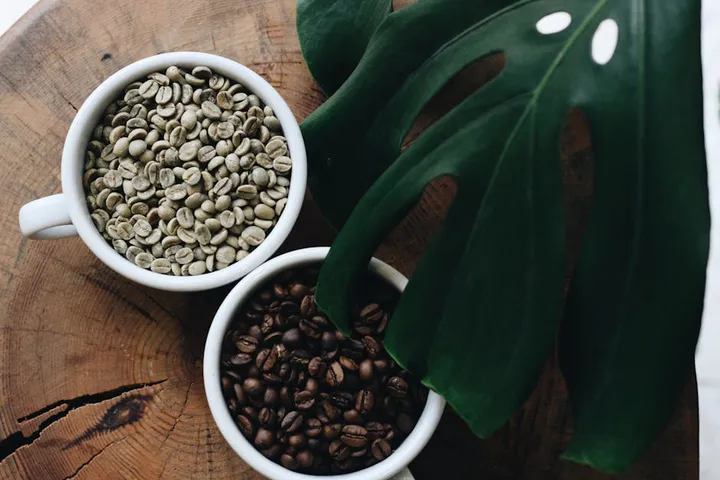
How arabica and robusta coffee differ: their genetics, where they grow, caffeine and other compounds, how they taste, their shares of world production, and the climate risks to both.
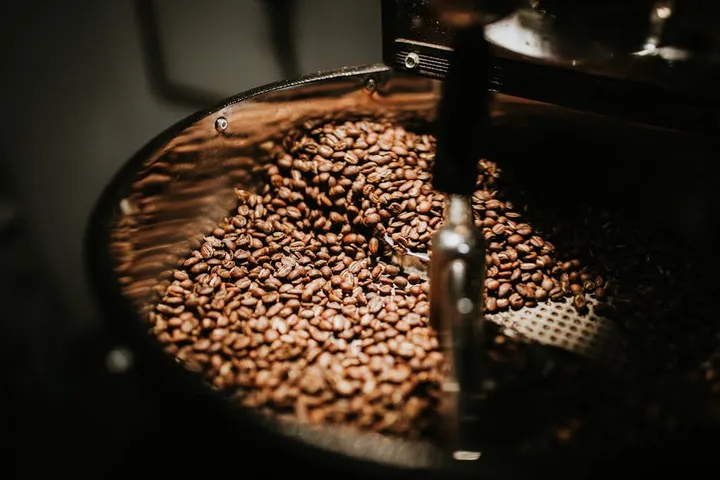
What light, medium and dark roast mean, why there's no universal standard, how roasters measure color and weight loss, what changes in the cup, and how to read the roast on a bag.
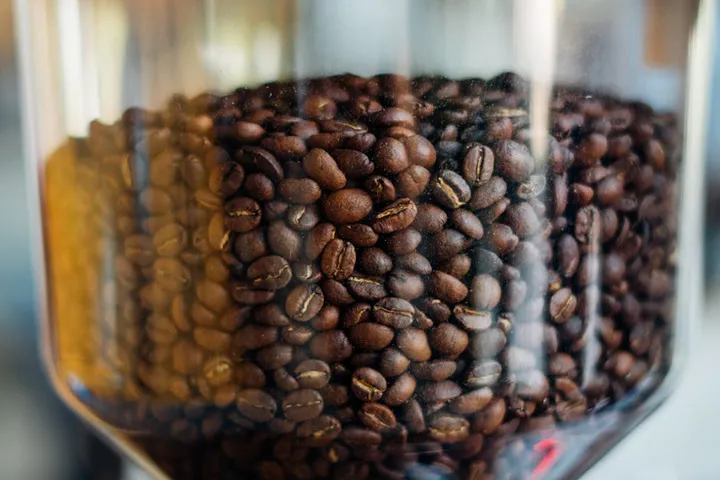
Keep whole beans sealed, cool, dark and dry, out of the fridge, and finish them within about a month of roasting. Here's how bags, canisters and jars compare, and when to freeze.

The bloom is the first small pour that wets the grounds and lets out roasting gas. Here's how much water to use, how long to wait, why to swirl and what the bubbles say about freshness.

Bitter coffee can come from the roast, from over-extraction, from a cup that's simply too strong, or from old coffee oils in your brewer. Here's how to tell which, and the one change to try first.