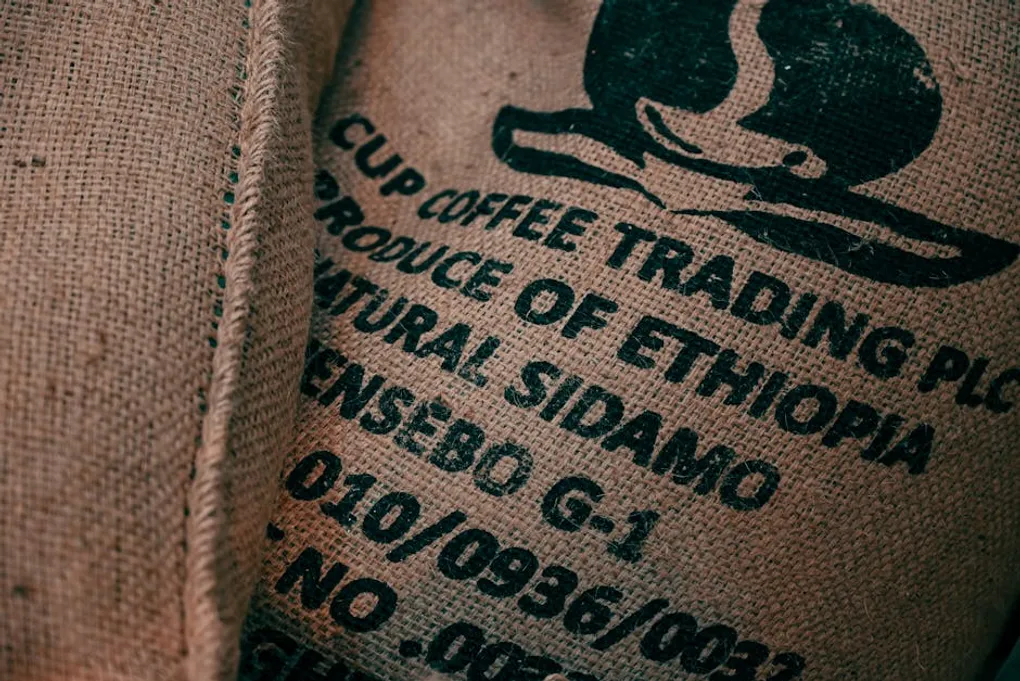
A specialty coffee bag is trying to tell you something. Origin, varietal, processing method, altitude, roast date, cup score — every data point on that label is a clue about what’s in your cup. The problem is that most people don’t know how to read the clues. They see “Ethiopia Yirgacheffe” and think “fancy,” but they can’t tell you why that matters or what it predicts about flavor.
This is your field guide. Every element on a specialty coffee bag, what it means, what it predicts, and what’s missing that should be there.
The Roaster
The roaster’s name matters more than most people realize. Two roasters can buy the same green coffee from the same farm and produce wildly different cups — every decision about development time, temperature, and roast level shapes the final flavor. Over time, you’ll develop preferences for specific roasters the way you develop preferences for specific winemakers. If you love one coffee from a roaster, you’ll likely enjoy their others.
Origin Country
This is the broadest flavor predictor on the bag. Coffee-growing countries produce recognizable flavor profiles because of shared climate, soil, altitude ranges, and dominant processing methods.
Africa (Ethiopia, Kenya, Rwanda, Burundi, Tanzania): Bright acidity, fruit-forward flavors, complexity. Ethiopian coffees are famous for florals, citrus, and candied fruit. Kenyan coffees deliver intense blackcurrant and berry with juicy acidity. If you want to go deeper, our Ethiopian coffee guide and what Kenyan coffee tastes like break down each origin in detail.
Central and South America (Colombia, Guatemala, Costa Rica, El Salvador, Brazil): Balanced, clean, approachable. Colombian coffees tend toward nutty caramel. Brazilian coffees lean chocolatey and low-acid with heavy body.
Asia-Pacific (Indonesia, India, Papua New Guinea): Heavier body, lower acidity, earthy and herbal notes — especially Indonesian coffees processed with Giling Basah (semi-washed).
Origin country is a starting point, not a verdict. But as a first filter, it’s reliable.
Region, Farm, and Cooperative
Below the country, you’ll often see increasingly specific geography:
Region (e.g., Yirgacheffe, Huehuetenango, Nyeri) narrows the flavor profile. Regions have distinct microclimates and soil — a coffee from Huehuetenango, Guatemala tastes different from Antigua, Guatemala.
Farm or Estate (e.g., Finca El Injerto, Hacienda La Esmeralda) means the roaster traces the coffee to a single producer. Single-farm coffees are the equivalent of single-vineyard wines. For a deeper look at what this kind of traceability means, see our single origin coffee guide.
Cooperative or Washing Station (e.g., Kochere Washing Station) is common where smallholder farmers pool harvests. One step less specific than a single farm, but still far more traceable than a generic country blend.
Lot Number (e.g., Lot 47, Micro Lot B) is the most granular identifier. A single farm might produce multiple lots with different processing or harvest dates.
The general rule: the more specific the geography, the more intentional the sourcing.
Altitude
Usually listed in meters above sea level (masl). You’ll see numbers like 1,400-1,800 masl or “SHG” (Strictly High Grown, typically above 1,200m).
Altitude matters because it directly affects bean density. Higher altitude means cooler temperatures, which slows cherry maturation. Slower maturation allows more complex sugars and organic acids to develop. The result: denser beans with more concentrated flavor, brighter acidity, and greater complexity.
Research shows that approximately 25% of the variation in extraction yield can be explained by elevation alone. Higher-altitude coffees simply have more flavor to give.
As a rough guide:
- Below 1,000m: Lower acidity, simpler flavor, heavier body
- 1,000-1,500m: Moderate complexity, balanced acidity
- 1,500m+: Bright acidity, complex flavors, lighter body, more aromatic
Varietal (Cultivar)
This is the coffee plant variety — the genetic fingerprint. Different varietals produce different flavor profiles, just like Pinot Noir and Cabernet Sauvignon taste different even when grown side by side.
Varietals you’ll commonly see on specialty bags:
- Bourbon: Sweet, complex, crisp acidity. One of the most prized traditional varietals.
- Typica: Clean, sweet, apple-like acidity. The original cultivar.
- SL-28 / SL-34: Kenyan selections famous for blackcurrant intensity and exceptional sweetness.
- Gesha (Geisha): Jasmine, bergamot, tropical fruit, tea-like body. Commands the highest prices in specialty.
- Caturra: Bright citric acidity, lighter body. A dwarf Bourbon mutation common in Colombia and Central America.
- Pacamara: Floral, complex, high acidity. El Salvador’s signature varietal.
- Castillo: Colombia’s rust-resistant workhorse. Cup quality controversial but improving.
- Ethiopian Heirloom: Essentially means “we don’t know which specific varieties.” Ethiopia’s genetic diversity is enormous and mostly uncatalogued, but these coffees are consistently interesting.
When a bag lists a specific varietal, it signals the roaster is paying attention to genetics and flavor — not just buying commodity coffee.
Processing Method
Processing is how the coffee cherry is transformed from fruit into green bean. It’s one of the biggest flavor determinants on the label.
Washed (Wet Process): Cherry skin removed, beans fermented in water tanks for 12-72 hours, then washed and dried. Produces clean, bright, high-acidity cups that let terroir and varietal shine through. Dominant in East Africa, Colombia, and Central America.
Natural (Dry Process): Whole cherries dried intact on patios or raised beds. Produces fruity, full-bodied, sometimes wild cups. Common in Ethiopia, Brazil, and Yemen. When done well, naturals are explosively fruity. When done poorly, they taste fermented and dirty.
Honey / Miel Process: Skin removed but sticky mucilage left on during drying. Graded by mucilage amount: white honey (least, more washed-like) through black honey (most, more natural-like). Costa Rica pioneered this approach.
Pulped Natural: Brazil’s version of honey processing. More body than washed, cleaner than natural.
Giling Basah (Semi-Washed): Unique to Indonesia. Parchment removed while still wet, then dried further. This is why Sumatran coffee tastes earthy, herbal, and heavy-bodied.
If a bag says “washed,” expect clarity. If it says “natural,” expect fruit. If it says “honey,” expect something in between.
Roast Date
The single most important freshness indicator on any coffee bag. Look for an actual date — not a “best by” date, not a “use by” date, but the date the coffee was roasted.
Coffee peaks between 7-21 days after roasting. It needs a few days to degas, then hits a sweet spot of maximum aromatic expression. After about a month, staling becomes noticeable. After two months, you’re drinking a shadow of what the roaster produced.
If there’s no roast date on the bag, the roaster doesn’t want you to know how old the coffee is. That’s a red flag.
Roast Level
Sometimes stated explicitly (Light, Medium, Medium-Dark, Dark), sometimes implied by the roaster’s brand identity. Roast level determines the balance between origin character and roast character. If you want to understand what happens inside the roaster that produces these levels, our complete coffee roasting guide explains the full process.
- Light roasts (pulled shortly after first crack): Maximum origin transparency. You taste the terroir, the varietal, the processing. Bright acidity, complex aromatics, lighter body.
- Medium roasts: The balance point. Origin character present, with added caramel and chocolate from Maillard reactions. Sweetness often peaks here.
- Dark roasts (at or past second crack): Roast character dominates. Smoky, bittersweet, heavy body. As George Howell put it: light roast is the meat, dark roast is the heavy sauce.
Neither is inherently better. But if a bag lists an exotic origin and specific varietal alongside a dark roast, that’s a contradiction — you’re paying for provenance you can’t taste.
Cup Score
Some specialty bags list an SCA (Specialty Coffee Association) cup score, typically between 80 and 100 — assigned by trained Q-graders who evaluate aroma, flavor, aftertaste, acidity, body, balance, sweetness, and clean cup.
- 80-84: Specialty grade. Good, clean, interesting.
- 85-89: Excellent. Distinctive, complex, memorable.
- 90+: Outstanding. Rare and usually expensive.
A cup score is a useful quality floor, but it’s a professional assessment of the green coffee under controlled conditions. A 90-point coffee brewed carelessly will taste worse than an 84-point coffee brewed well. Grind consistency and grind size are among the biggest variables between a cupping lab and your kitchen.
Tasting Notes
Those flavor descriptors — “blackberry, dark chocolate, honey” — are the roaster’s suggestion, not a guarantee. They represent what trained tasters identified when cupping this coffee under controlled conditions.
Your experience will differ. Your water chemistry, grinder, brew method, and palate will shift the profile. That “blackberry” might show up as a generic fruitiness. The “honey” sweetness might be barely perceptible if you’re using hard water that mutes acidity.
Treat tasting notes as directional guides. A bag that says “citrus, floral, tea-like” will taste bright and delicate — even if you don’t taste lemon specifically. One that says “chocolate, walnut, caramel” will be rounder and sweeter. The category of flavors is usually accurate even when the specific descriptors don’t land perfectly.
What’s NOT on the Label (But Should Be)
Even good specialty bags leave out useful information:
Crop Year: A bag roasted last week might contain beans harvested 18 months ago. Past-crop coffee loses vibrancy. Knowing the crop year — like knowing a wine’s vintage — lets you assess how fresh the green coffee was before roasting.
Days Since Roast: Some roasters include a “best after” date alongside the roast date, giving you a ready-to-brew window. More should do this.
Green Coffee Importer: The importer is the link between farm and roaster. Companies like Royal Coffee or Cafe Imports do quality control and build the direct relationships that roasters benefit from. Listing the importer signals supply chain transparency.
Red Flags vs. Green Flags
Bag Label Decoder: Putting It All Together
Here’s how to read real-world label combinations and predict what’s in the cup:
Label 1: Kenya, Nyeri County, Karatina, SL-28, Washed, 1,800 masl, 87 points Prediction: Blackcurrant acidity, juicy body, clean finish. SL-28 at high altitude delivers intense sweetness. Washed process lets the varietal shine. The 87-point score confirms excellent specialty coffee. Bright and electric — not a mellow morning sipper.
Label 2: Ethiopia, Yirgacheffe, Kochere Washing Station, Heirloom, Natural, 1,950 masl Prediction: Explosive fruit — blueberry, strawberry, tropical notes. Natural processing in Yirgacheffe at nearly 2,000 meters produces some of the most aromatic coffees on earth. Fruity, full-bodied, and potentially polarizing if you’re used to clean, balanced coffees. For a deeper look at Ethiopian label complexity, see our Ethiopian heirloom vs. named varietals guide.
Label 3: Brazil, Cerrado Mineiro, Fazenda Santa Ines, Yellow Bourbon, Pulped Natural, 1,100 masl Prediction: Chocolate, nutty sweetness, low acidity, heavy body. Brazilian Yellow Bourbon with pulped natural processing is the archetype of a smooth, approachable coffee. Excellent for espresso.
Label 4: Colombia, Huila, Finca El Paraiso, Pink Bourbon, Washed, 1,750 masl, 89 points Prediction: Floral complexity, sweetness, bright but balanced acidity. Pink Bourbon (genetically an Ethiopian landrace despite the name) has a reputation for exceptional cup quality. An 89-point score signals coffee near the top of the specialty range.
The Bottom Line
A coffee bag label is a compressed story — where the coffee came from, what plant it grew on, how it was processed, how it was roasted, and how fresh it is. Once you can read that story, you stop buying coffee blind and start making predictions.
You don’t need to memorize every varietal or origin profile. Start with two things: always check the roast date, and pay attention to the processing method. Those two data points alone will improve every coffee purchase you make.
Some links in this post are affiliate links. If you purchase through them, we earn a small commission at no extra cost to you.
Frequently Asked Questions
- What does 'washed process' mean on a coffee bag?
- Washed (or wet process) means the coffee cherry's skin was removed, the beans were fermented in water tanks for 12-72 hours to break down the remaining fruit mucilage, then washed clean and dried. This produces a clean, bright cup with high acidity where the varietal and terroir characteristics come through clearly. It's the dominant processing method in East Africa, Colombia, and Central America. If you see 'washed' on a bag, expect clarity and brightness rather than heavy fruitiness.
- Why doesn't my coffee bag have a roast date?
- If a coffee bag shows a 'best by' date instead of a roast date, the roaster is prioritizing shelf life over freshness transparency. This is standard for commodity and grocery-store coffee but a red flag in specialty coffee. Every serious specialty roaster prints the actual roast date because coffee peaks between 7-21 days after roasting and declines noticeably after a month. A 'best by' date 9-12 months out tells you nothing about when the coffee was roasted or how fresh it is right now.
- What does the cup score on a coffee bag mean?
- A cup score is a professional quality rating on a 100-point scale, assessed by SCA-certified Q-graders who evaluate aroma, flavor, acidity, body, balance, sweetness, and other attributes. Anything 80 or above qualifies as specialty grade. Scores of 85-89 are excellent, and 90+ is outstanding and rare. The score reflects the green coffee's quality under controlled cupping conditions — your results at home will depend on roast freshness, grind quality, water chemistry, and brewing method.
- Are tasting notes on coffee bags accurate?
- Tasting notes are the roaster's informed suggestion, not a guarantee. They represent what trained tasters identified when cupping this coffee under specific, controlled conditions. Your water chemistry, grinder, brew method, dose, and personal palate will shift the flavor profile. The specific descriptors ('blackberry,' 'honeycomb') may not land exactly, but the general flavor category usually holds — a bag that says 'citrus, floral, tea-like' will taste bright and delicate, even if you don't pinpoint lemon specifically.
- Does '100% Arabica' mean the coffee is high quality?
- No. Arabica accounts for roughly 60% of all world coffee production. Labeling coffee '100% Arabica' simply means it contains no Robusta — it says nothing about the quality of the Arabica used. There is enormous variation within Arabica, from commodity-grade blends to competition-winning single lots. If '100% Arabica' is the most specific claim on a bag, with no origin details, varietal, or roast date, the coffee is almost certainly commodity-grade.