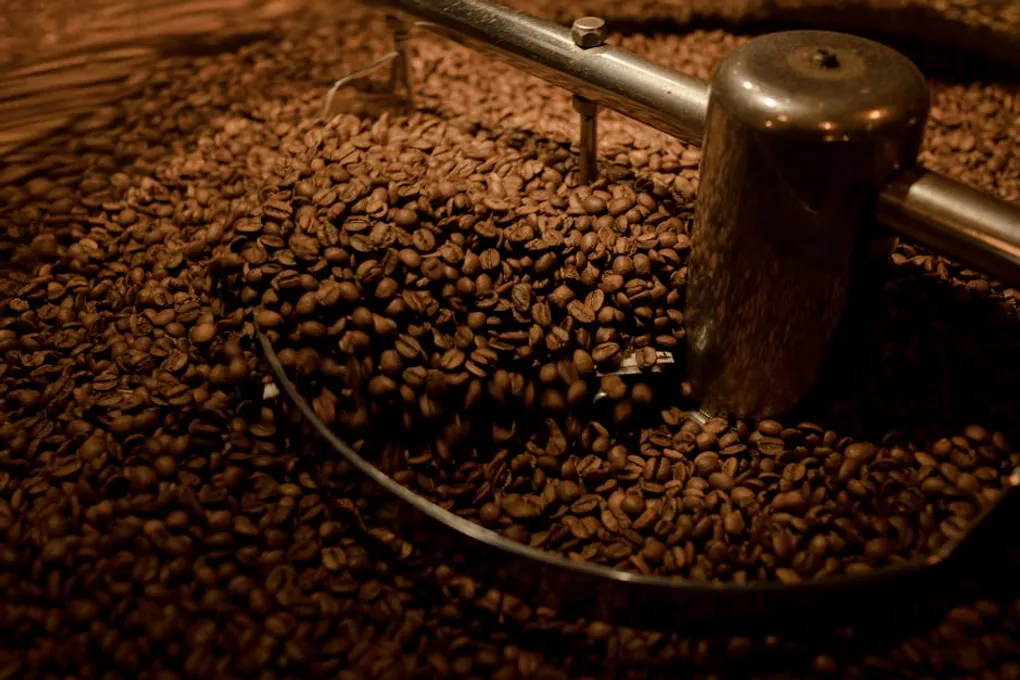
That bag of freshly roasted coffee you just bought? It’s already changing. Every hour, CO2 is escaping, volatile aromatics are drifting off, and oils are slowly migrating toward the surface. Coffee is a living, evolving product from the moment it leaves the roaster — and the window between “too fresh” and “going stale” is narrower than most people think.
Here’s the day-by-day reality of what happens to your beans, why roast level changes the timeline, and what actually works to slow the clock.
The Three Mechanisms of Staling
Before the timeline, you need to understand what staling is. It’s not one thing. Coffee scientist Jonathan Gagne identifies three distinct mechanisms working simultaneously:
1. CO2 Loss. Roasting traps enormous amounts of carbon dioxide inside the bean’s cellular structure. This CO2 slowly escapes over days and weeks. While it’s present, it physically interferes with extraction — but it also acts as a protective shield against oxygen. As CO2 leaves, oxygen moves in. It’s a double-edged sword: you need some CO2 to leave before brewing, but once it’s gone, the clock accelerates.
2. Aroma Volatilization. Over 800 volatile aromatic compounds develop during roasting. They escape at different rates — the lightest, most delicate aromatics (floral, fruity) disappear first. Heavier compounds (chocolate, nutty) linger longer. This is why old coffee smells flat and one-dimensional: the complex top notes are simply gone.
3. Oil Oxidation and Sweating. Coffee oils migrate to the bean’s surface through capillary action over time, then go rancid through oxidation. This is why oily beans are not a sign of freshness — they’re often a sign of staling. Fresh beans have a dry, matte surface. That glossy sheen means oils have already migrated out and begun breaking down.
Day-by-Day: The Freshness Timeline
Days 1-3: Too Fresh
This surprises people. Coffee straight off the roaster isn’t at its best. It’s full of CO2 — so much that it actively disrupts extraction. In espresso, all that gas creates channeling: the CO2 pushes water away from certain areas of the puck, creating uneven flow and sour, chaotic shots. In pour-over, you’ll see an aggressive bloom that looks impressive but actually signals that the water can’t properly saturate the grounds.
The cup at this stage tastes sharp, unbalanced, and hard to dial in. Many roasters won’t sell beans until they’ve rested at least 48 hours. Some won’t ship for 3-4 days.
Days 3-7: Opening Up
The initial CO2 rush subsides. Aromatics begin developing and expressing themselves more clearly. Each day brings subtle shifts in flavor — you might taste more sweetness on day 5 than day 3, or notice fruit notes becoming more defined.
This is the window where dark roasts often peak (more on that below). For medium and light roasts, the coffee is good and getting better, but hasn’t fully arrived yet.
Days 7-14: Peak Window
For most coffees, this is the sweet spot. CO2 has dropped to levels that allow clean, even extraction. The full aromatic profile is present and expressive. Sweetness is at its maximum. Acidity is bright without being sharp.
If you’re evaluating a new coffee — deciding whether you like it, dialing in your recipe — this is the window to do it. You’re tasting the coffee as the roaster intended.
Days 14-28: The Plateau, Then Decline
From two to four weeks, the coffee holds reasonably steady. It’s still good. Most people wouldn’t notice a dramatic difference between day 14 and day 21 in a blind tasting. But the trajectory is downward. Top notes thin out. Body softens. The coffee becomes less interesting — pleasant, but flatter.
James Hoffmann’s practical advice: buy within 2 weeks of roasting, use within 1 month. That’s a solid rule of thumb for anyone not obsessing over peak optimization.
Day 28+: Staling Accelerates
Past a month, decline becomes obvious. The protective CO2 is largely gone. Oxidation picks up speed. Oils on the surface go rancid. The cup tastes papery, woody, or just generically “coffee-like” — none of the origin character or roast nuance remains. By 6-8 weeks, you’re drinking a shadow of what the roaster produced.
This doesn’t mean the coffee is unsafe. It just means it’s stale.
Roast Level Changes Everything
The timeline above is a general guide. But roast level dramatically shifts the curve because of one factor: cell structure porosity.
Darker roasts undergo more cellular breakdown. Second crack literally fractures the bean’s internal architecture. This creates a more porous structure — think of it as the difference between a sponge and a rock. Gas escapes faster. Oils migrate faster. Everything accelerates.
Dark Roasts: Peak at Days 4-7
Dark roasts degas quickly. They can be ready to brew in 3-4 days and often peak within the first week. By two weeks, they’re already noticeably declining. Dark roasts also show surface oil earlier — another consequence of the broken-down cell structure allowing oils to reach the surface faster.
If you buy dark roasts, buy smaller quantities and use them fast.
Medium Roasts: Peak at Days 7-10
The middle ground. Medium roasts retain enough cell structure to hold CO2 longer, but they’ve undergone enough development that they don’t need an extended rest. Seven to ten days is the typical sweet spot. They hold well through week three.
Light Roasts: Peak at Days 10-14
Light roasts have the densest, most intact cell structure. CO2 escapes slowly. Many light roasts taste tight, slightly sour, and underdeveloped at one week — they need 10-14 days to fully open up. The upside: they also stale more slowly. A properly stored light roast can still taste excellent at 3-4 weeks.
Specialty roasters who ship light roasts often include rest recommendations on the bag for exactly this reason. If you’re brewing a light roast on day 5 and wondering why it tastes sour and sharp, it might not be your technique. It might just need more time.
Whole Bean vs. Ground: The Surface Area Problem
Everything above assumes whole beans. The moment you grind coffee, you explode the timeline.
A whole bean has relatively little surface area exposed to air. Grinding shatters it into thousands of particles, increasing surface area by orders of magnitude. Every volatile compound, every oil molecule, is suddenly exposed to oxygen simultaneously. Ground coffee begins staling in minutes, not days. Within 15-30 minutes, measurable aroma loss has occurred. Within hours, the difference is obvious to anyone paying attention.
This is the single strongest argument for grinding fresh. Not because it’s trendy — because the chemistry is unforgiving.
The exception that proves the rule: Scott Rao found that pre-grinding drip coffee 12 hours ahead of time can actually produce a better cup in certain situations. The theory: letting grounds rest reduces the turbulence of fresh-ground CO2 during extraction, producing more even flow and more uniform extraction. But this applies specifically to filter coffee with relatively fresh beans. It doesn’t apply to espresso, and it doesn’t mean pre-ground from the store shelf is fine. Context matters.
The Five Enemies of Freshness
Gagne and other coffee scientists identify five factors that accelerate staling:
1. Time. The unavoidable one. Every minute counts once roasting ends.
2. Oxygen. The primary driver of chemical degradation. Oxidation breaks down aromatics and turns oils rancid.
3. Heat. Increases the rate of every chemical reaction involved in staling. Room temperature is fine; next to the stove is not.
4. Moisture. Coffee is hygroscopic — it absorbs moisture from the air. Absorbed water accelerates oxidation and dilutes flavor compounds. It also encourages mold in extreme cases.
5. UV Light. Breaks down organic compounds through photodegradation. That clear glass jar on the counter looks great but is actively destroying your coffee.
Storage: What Actually Works
The Basics
Store coffee in an airtight container, in a cool and dark location, away from moisture. The original bag with a one-way valve works well — squeeze out excess air before sealing. Dedicated vacuum canisters like the Fellow Atmos or Airscape are a meaningful upgrade.
Do not decant beans into a decorative open-top container. Do not store them near the stove, in direct sunlight, or in the fridge.
Why the Fridge Is Bad
Every coffee authority agrees on this: never refrigerate coffee. The fridge is a hostile environment. It’s damp, full of odors (onions, garlic, leftovers), and cycles between temperatures every time you open the door. Coffee absorbs those odors readily. Moisture condenses on cold beans when exposed to warmer air, accelerating oxidation. The fridge makes your coffee worse faster.
Why the Freezer Is Good (With Protocol)
The freezer, done correctly, is the single most effective preservation tool available to home brewers. Both Rao and Gagne advocate for it strongly. For the full method, see our single-dose coffee freezing guide.
The key word is “correctly.” Here’s the protocol:
Single-dose freezing: Divide your beans into single-brew portions (typically 15-20g for pour-over, 18g for espresso). Vacuum seal each portion individually. Place in the freezer.
When ready to brew, pull one portion, grind immediately from frozen — do not thaw first. Cold beans fracture more uniformly during grinding, producing a more consistent particle size distribution. Christopher Hendon’s research confirmed this: frozen beans yield measurably better grind uniformity than room-temperature beans.
How well does it work? Oxidation drops approximately fifteen-fold when coffee is properly frozen and sealed. Rao has reported that a Kenya AA frozen for six years was “really good” when finally thawed and brewed. Six years. That’s not a typo.
The rules: vacuum seal to prevent moisture migration and freezer burn. Never thaw and refreeze — each freeze-thaw cycle introduces condensation. Grind from frozen. If you follow the protocol, frozen coffee can remain excellent for a year or longer with negligible degradation.
Myths Worth Killing
“Oily beans are fresh.” False. Oils on the surface mean they’ve migrated out of the bean’s interior through capillary action — a process that takes time and accelerates with dark roasts. Oily beans are often older beans, or very dark roasts where the broken cell structure allows rapid oil migration. Fresh beans are dry.
“Best by” dates mean something. They’re nearly meaningless without a roast date. A “best by” date of six months from now tells you nothing about when the coffee was roasted. It could have been sitting in a warehouse for four months already. Always look for the roast date. If there’s no roast date on the bag, that’s a red flag.
“Coffee should never be frozen.” Outdated advice based on improper freezing technique (tossing an open bag in the freezer). Properly vacuum-sealed, single-dose frozen coffee is the best long-term storage method available. The science is clear.
“Buy the freshest beans possible.” More nuanced than it sounds. If you’re buying light roasts and brewing them the same day they were roasted, you’ll get a worse cup than if you waited 10 days. “Fresh” doesn’t mean “today.” It means “within the optimal window for that roast level.”
The Practical Takeaway
Here’s the simple version. Buy coffee with a roast date — not a “best by” date. Know your roast level and give it appropriate rest: 4-7 days for dark, 7-10 for medium, 10-14 for light. Store in an airtight container away from heat, light, and moisture. Use it within a month for whole beans.
If you want to buy in bulk or stock up on a favorite, single-dose vacuum seal and freeze. It works. The research backs it up. A six-year-old frozen Kenya AA still tasted good.
And grind fresh. Always. The 12-hour pre-grind trick is interesting science, but for daily coffee, grinding right before brewing is the simplest, most impactful thing you can do to preserve what the roaster worked so hard to create.
Frequently Asked Questions
- How long do coffee beans last after roasting?
- Whole beans are at their best between 7-21 days after roasting, depending on roast level. They remain decent through 4 weeks with proper storage. After a month, staling becomes noticeable — flattened aromatics, reduced sweetness, papery or woody notes. Beans are safe to drink indefinitely, but flavor quality drops significantly after 6-8 weeks. For long-term storage, vacuum-sealed frozen beans can stay excellent for a year or more.
- When is coffee best after roasting?
- It depends on roast level. Dark roasts peak at 4-7 days because their porous cell structure lets CO2 escape quickly. Medium roasts hit their stride at 7-10 days. Light roasts need the longest rest — 10-14 days — because their dense, intact cell structure releases CO2 slowly. Brewing any roast on days 1-3 produces chaotic, gassy cups because excess CO2 disrupts extraction.
- Can you freeze coffee beans without ruining them?
- Yes — freezing is the single most effective preservation method when done correctly. Vacuum seal beans in single-brew portions (15-20g each) and freeze. Grind directly from frozen without thawing — cold beans fracture more uniformly, producing better grind consistency. Oxidation drops approximately fifteen-fold when properly sealed and frozen. Scott Rao reported that a Kenya AA frozen for six years still tasted 'really good.' The key rules: vacuum seal to prevent moisture and odor absorption, never thaw and refreeze, and grind from frozen.
- Why are my coffee beans oily — does that mean they're fresh?
- No. Oily beans are often stale. Coffee oils migrate from the bean's interior to the surface through capillary action over time. Fresh beans have a dry, matte appearance. Surface oil means those oils have already escaped the cell structure and begun oxidizing. Dark roasts show oil sooner because their broken-down cell structure (from second crack) allows faster oil migration — but even on dark roasts, heavy surface oil usually indicates the beans have been sitting for a while.
- Should I store coffee in the fridge?
- Never. Every major coffee authority agrees on this. The fridge is damp, full of odors from other foods, and cycles between temperatures every time you open the door. Coffee readily absorbs those odors and moisture, which accelerates staling. If you want cold storage, use the freezer with proper protocol — vacuum-sealed, single-dose portions, grind from frozen. The fridge is the worst of both worlds: cold enough to cause condensation problems but not cold enough to meaningfully slow oxidation.
Some links above are affiliate links. If you purchase through them, we earn a small commission at no extra cost to you.