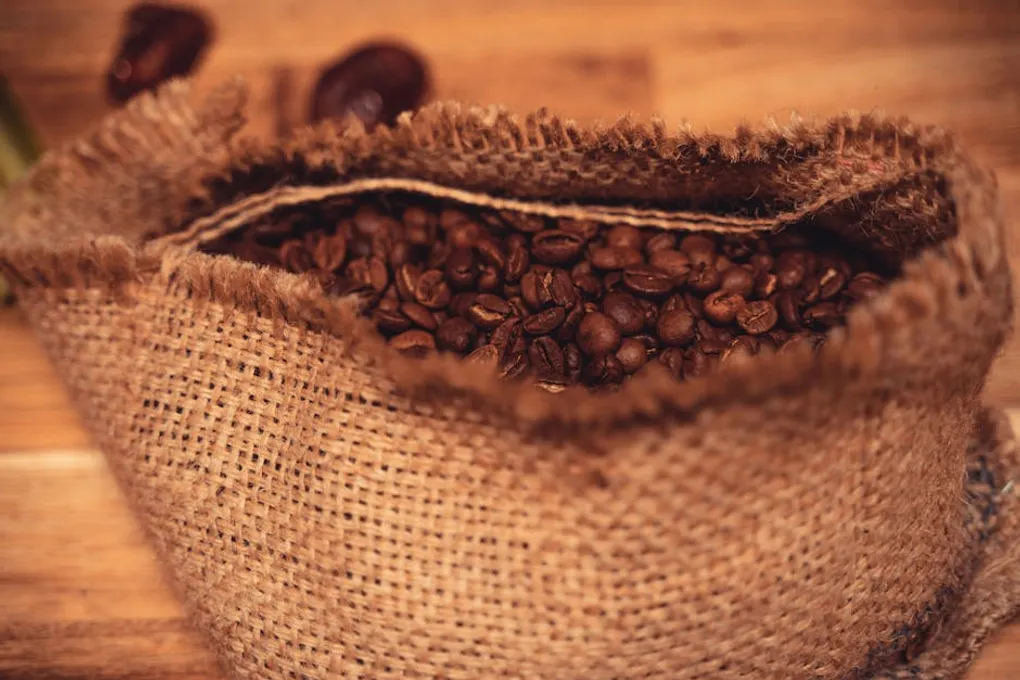
The first time I tasted a Panamanian Geisha, I understood why people pay $100 for a bag of coffee. It wasn’t just good — it was a different category of experience altogether. Jasmine, bergamot, ripe mango, and a sweetness so transparent it felt like drinking light. Panama produces less than 0.1% of the world’s coffee, yet it has done more to reshape specialty coffee economics than any other origin in the last two decades.
That’s not hyperbole. A single auction lot from Hacienda La Esmeralda sold for $30,204 per kilogram in 2025. To put that in perspective, most specialty-grade coffee trades between $3—8 per pound. Panama’s best lots command prices that make fine wine look like a bargain.
But Panama isn’t just about record-breaking Geisha. The country’s volcanic highlands, Pacific-influenced microclimates, and meticulous farming traditions produce exceptional coffee across several varieties. Here’s what makes it so special.
Where Coffee Grows in Panama
Panama’s coffee regions cluster around the western highlands of Chiriqui Province, near the Costa Rican border. The defining geographic feature is Volcan Baru — the country’s highest point at 3,475 meters — which creates the altitude, volcanic soil, and microclimate diversity that specialty coffee demands.
Boquete
Boquete is Panama’s most famous coffee district and the epicenter of the Geisha revolution. Nestled on the eastern slopes of Volcan Baru at 1,200—1,800 meters, the valley benefits from a phenomenon locals call the bajareque — a fine, cool mist that rolls in from the Pacific, moderating temperatures and slowing cherry maturation. Slower ripening means more concentrated sugars and acids in the bean.
The valley’s volcanic soil is rich in minerals, and the combination of altitude, cloud cover, and temperature swings between day and night creates conditions that few other origins can match. This is where Hacienda La Esmeralda grows its legendary Geisha lots, and where farms like Finca Lerida, Don Pepe Estate, and Elida Estate have built reputations for world-class coffee.
Flavor profile: Floral, citrus, tropical fruit, tea-like body, extraordinary clarity and sweetness.
Volcan
On the western slopes of Volcan Baru, the Volcan district offers a slightly different expression. Farms here tend to sit at 1,400—1,800 meters with more direct sun exposure and different wind patterns than Boquete. The resulting coffees often show more body and stone fruit character while retaining the clean acidity Panama is known for.
Finca Deborah — which produced the coffee used by 2025 World Barista Champion Jack Simpson — farms in the highlands above Volcan at extreme altitudes approaching 1,900 meters.
Flavor profile: Stone fruit, honeyed sweetness, fuller body than Boquete, bright but rounded acidity.
Renacimiento
The lesser-known Renacimiento district sits along the Costa Rican border at 1,200—1,600 meters. While it lacks the name recognition of Boquete, Renacimiento has been producing increasingly impressive specialty lots, particularly from farms experimenting with honey and natural processing methods.
Flavor profile: Balanced, nutty-sweet, chocolate, moderate acidity — more approachable than Boquete’s ethereal clarity.
The Geisha Revolution
No single coffee variety has transformed the specialty industry like Geisha (also spelled Gesha, after the village in southwestern Ethiopia where it was collected in 1931). The variety was brought to Costa Rica’s CATIE research station in the 1950s, where it languished for decades — a tall, low-yielding plant that nobody wanted to grow commercially.
Then, in 2004, the Peterson family at Hacienda La Esmeralda in Boquete entered their Geisha lots in the Best of Panama competition. The coffee scored so far above everything else that judges initially thought there had been a scoring error. It sold at auction for $21 per pound — unprecedented at the time.
That moment changed everything. The auction price climbed year after year: $130/lb in 2007, $350.25/lb in 2013, and eventually $30,204 per kilogram in 2025. Other Panamanian farms rushed to plant Geisha. Then farms across Latin America, Africa, and Asia followed suit.
What makes Geisha exceptional is genuinely genetic. The variety produces a cup profile unlike any other cultivar — intensely floral (jasmine, honeysuckle), with bergamot citrus, tropical fruit, and a tea-like body that feels impossibly delicate and complex simultaneously. The World Coffee Research catalog rates its cup quality as “Exceptional” — their highest designation — but flags its yield as “Low,” which partly explains the price. For more on what makes this variety worth the premium, see our deep dive on Gesha coffee.
Beyond Geisha: Other Varieties
Panama grows more than just Geisha, though you wouldn’t know it from the headlines. The country’s farms also cultivate:
- Caturra: A Bourbon mutation that produces bright, citric acidity with low-medium body. Widely planted across Panama’s highlands.
- Catuai: A Mundo Novo x Caturra cross offering very high yields and good (if not exceptional) cup quality. The workhorse of many farms.
- Typica: The original cultivar — complex, sweet, and clean, with low yields that make it increasingly rare.
These varieties, when grown at Panama’s altitudes and processed carefully, produce excellent specialty coffee in the 84—88 SCA point range — genuinely delicious, and far more affordable than Geisha.
It’s worth noting that the global Geisha planting boom has created a quality spectrum. Geisha grown at suboptimal altitudes or in less favorable terroirs doesn’t deliver the same transcendent experience. The variety needs the specific combination of high altitude (1,400+ meters), cool temperatures, volcanic soil, and meticulous processing to reach its full potential. Panamanian Geisha sets the benchmark because the growing conditions in Boquete and Volcan are essentially perfect for the variety’s expression. Geisha from Colombia, Costa Rica, or Ethiopia can be excellent — but Panama’s combination of terroir and farming expertise remains the gold standard.
The Best of Panama Competition
No discussion of Panamanian coffee is complete without the Best of Panama (BoP) — the annual competition and auction that has become the most watched event in specialty coffee. Launched in 1996, BoP evaluates the country’s finest lots through blind cupping by international judges. Winning lots are then sold at online auction to the highest bidder.
The competition created a transparent, meritocratic marketplace that rewarded quality in ways the traditional commodity system never could. Before BoP, a Panamanian farmer’s best Geisha lot would sell for the same price per pound as their mediocre Catimor. After BoP, that same lot could sell for 100x the commodity price — if the cup quality justified it.
The auction results read like a specialty coffee stock market: Hacienda La Esmeralda has dominated for two decades, but farms like Elida Estate, Finca Deborah, Janson Family Estates, and Lamastus Family Estates have all set records. In 2025, 40 of the 50 auction lots were Gesha — evidence of the variety’s near-total dominance at the competition level.
For smaller Panamanian farms, BoP provides a critical launchpad. A strong showing can establish a farm’s reputation overnight and attract direct-trade relationships that sustain premium pricing for years. The competition model has been so successful that it’s been replicated by the Cup of Excellence program in over 15 countries.
Processing Methods
Panama’s producers are among the most technically sophisticated in the world, and they employ the full spectrum of processing methods:
Washed: The dominant method, and the one that best showcases Geisha’s floral clarity. Cherry skin and mucilage are removed before drying, producing a clean, bright cup where terroir and variety shine through.
Natural: Whole cherries dried intact, producing fruit-forward, full-bodied coffees with more sweetness and sometimes wine-like fermentation notes. Panamanian natural Geishas can be extraordinarily complex — tropical fruit, red wine, candied flower.
Honey: A spectrum between washed and natural, graded by how much mucilage is left during drying. Yellow honey (least mucilage) stays clean and sweet; black honey (most mucilage) approaches natural-process richness.
Anaerobic/Experimental: Increasingly, top farms like Finca Deborah and Ninety Plus are pushing into anaerobic fermentation, carbonic maceration, and other novel processing techniques. The 2025 WBC champion used a nitrogen-macerated Gesha from Finca Deborah — a sign of where Panama’s avant-garde producers are headed.
What Panamanian Coffee Tastes Like
The flavor depends enormously on variety and processing, but some generalizations hold:
- Geisha (washed): Jasmine, bergamot, tropical fruit, stone fruit, tea-like body, extraordinary sweetness, lingering floral aftertaste. Unlike anything else in coffee.
- Geisha (natural): All of the above plus red berry, wine, candied florals, and more body.
- Non-Geisha Boquete (washed): Bright citrus acidity, clean sweetness, caramel, light floral notes, medium body.
- Volcan lots: More stone fruit and honey, rounded acidity, medium-full body.
- Renacimiento: Chocolate, nutty sweetness, balanced acidity, approachable.
Across all regions and varieties, Panamanian coffee tends toward clarity, sweetness, and clean acidity — a reflection of the altitude, volcanic terroir, and meticulous post-harvest processing. Panama consistently lands on lists of the world’s most expensive coffees for good reason.
Why Panama Coffee Is So Expensive
Several factors converge:
- Tiny production: Panama produces roughly 100,000 bags annually — compared to Brazil’s 55 million. Supply is genuinely scarce.
- Geisha’s low yield: The variety produces significantly fewer cherries per tree than Caturra or Catuai, and requires specific high-altitude conditions.
- Auction dynamics: The Best of Panama competition creates a transparent, competitive marketplace that drives prices up for top lots.
- Land costs: Chiriqui Province isn’t cheap, and the best microlots come from specific altitude bands that can’t be expanded.
- Labor intensity: Hand-picking at 1,500+ meters on volcanic slopes is slow, expensive work.
The result is that even non-Geisha Panamanian specialty coffee tends to cost $20—40 per bag — above average for Central America. Geisha lots range from $40 for accessible blends up to $100+ for competition-grade single farms. And auction winners? Those exist in a different economic universe entirely.
Best Panamanian Coffees to Buy
For most coffee drinkers, the sweet spot is a mid-range Geisha or an excellent non-Geisha Boquete lot:
- Entry point ($20—35): Look for Panamanian Caturra or Catuai from Boquete or Volcan. These deliver Panama’s signature clarity without the Geisha premium. Browse Panamanian coffee on Amazon.
- Mid-range ($40—65): Single-farm Geisha from reputable roasters. This is where you get a genuine Geisha experience at a price that, while not cheap, is justifiable for a special occasion. Browse Panama Geisha on Amazon.
- Splurge ($80+): Competition-grade or micro-lot Geisha from La Esmeralda, Finca Deborah, Elida Estate, or Janson Family Estates. These are some of the finest coffees produced anywhere on Earth.
When buying, pay attention to the roast date (within 2—3 weeks), processing method, and whether it’s a single variety or blend. Some roasters specify the farm and lot number — this level of traceability generally correlates with higher quality and more careful sourcing.
How to Brew Panamanian Coffee
Brew Panama Geisha as a pour-over — V60, Chemex, or Kalita Wave — where the method’s clarity best showcases those delicate floral and citrus notes. Keep water temperature moderate (around 200 degrees F) and aim for a medium-fine grind. A 1:16 ratio gives good balance between body and clarity. Don’t over-extract — lighter brewing brings out the aromatics that make Geisha transcendent. Pull the shot before bitterness develops.
For non-Geisha Panamanian lots, the flexibility is greater. Boquete Caturra or Catuai work well as espresso (sweet, clean, caramel-forward shots), drip coffee, or AeroPress. The quality floor in Panamanian coffee is high enough that even casual brewing methods produce a satisfying cup.
Final Thoughts
Panama punches absurdly above its weight. A country that produces less coffee than a single large Brazilian estate has fundamentally altered what the specialty world considers possible — in terms of flavor, in terms of price, and in terms of ambition. The Geisha variety, nurtured in Boquete’s misty volcanic highlands, proved that coffee can reach the same echelon of sensory complexity as the finest wines.
But beyond the headline-grabbing auction lots, Panama offers genuinely excellent everyday specialty coffee. If you haven’t explored Panamanian beans beyond the Geisha hype, you’re missing some of the cleanest, sweetest, most precisely crafted coffee in Central America. Start with a good Boquete lot and work your way up. Your palate will thank you.
Some links above are affiliate links. If you purchase through them, we earn a small commission at no extra cost to you.
Frequently Asked Questions
- Why is Panama Geisha coffee so expensive?
- Panama Geisha commands high prices because of a perfect storm: the variety yields significantly fewer cherries than standard cultivars, it requires specific high-altitude conditions to express its full potential, and the transparent Best of Panama auction system creates competitive bidding among global buyers. Panama's total production is also tiny -- about 100,000 bags per year, compared to Brazil's 55 million. Genuine scarcity plus extraordinary cup quality equals premium pricing.
- What does Panama Geisha coffee taste like?
- Washed Panama Geisha is unlike any other coffee. Expect intense jasmine and honeysuckle aromatics, bergamot citrus, tropical fruit (mango, passionfruit), stone fruit, and a tea-like body that feels impossibly delicate yet complex. The sweetness is transparent and the aftertaste lingers with floral notes. Natural-processed Geisha adds red berry, wine-like character, and more body to that foundation.
- Is Panama coffee worth it if I can't afford Geisha?
- Absolutely. Panama grows excellent Caturra, Catuai, and Typica varieties that deliver the country's signature clarity, clean acidity, and sweetness at much more accessible prices ($20--35/bag). A well-grown Boquete Caturra at 1,500 meters offers specialty quality that competes with the best of any Central American origin. Geisha gets the headlines, but Panama's other varieties are quietly excellent.
- What's the best way to brew Panama coffee?
- Pour-over methods (V60, Chemex, Kalita Wave) best showcase Panama's clarity and floral aromatics -- especially for Geisha. Use water around 200 degrees F, a medium-fine grind, and a 1:16 ratio. Avoid dark roasts or over-extraction, which will mask the delicate floral and citrus notes that make Panamanian coffee distinctive. For non-Geisha lots, espresso and AeroPress also work beautifully.
- What's the difference between Geisha and Gesha?
- Both spellings refer to the same variety. 'Gesha' reflects the Ethiopian village (Gesha, in the Kaffa region) where the variety was originally collected in 1931. 'Geisha' is the more commonly used commercial spelling, popularized when the variety became famous in Panama. Neither is wrong, though some purists prefer 'Gesha' to honor the Ethiopian origin and avoid confusion with Japanese culture.