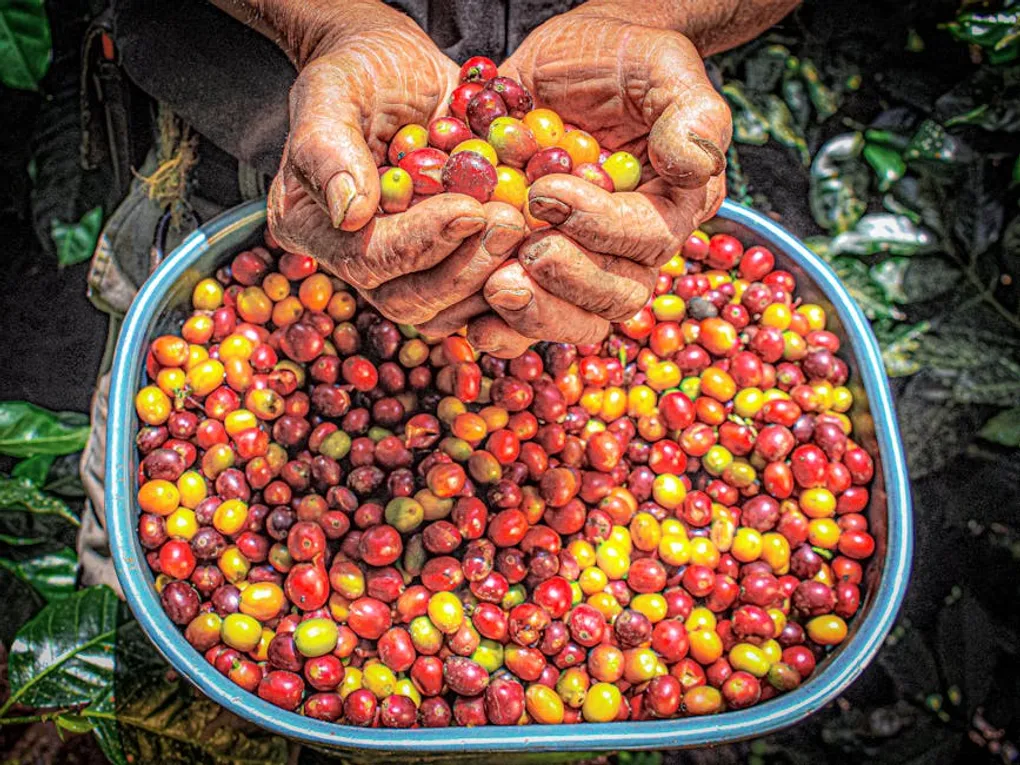
You pick up a bag of Ethiopian coffee. Under “Variety,” it says “Heirloom.” This sounds romantic — ancient, rare, passed down through generations. And it is not wrong, exactly. But it is not telling you much.
“Heirloom” on an Ethiopian coffee bag usually means one thing: nobody knows which specific variety it is. Ethiopia’s forests contain hundreds, possibly thousands, of genetically distinct coffee landraces. The vast majority have never been catalogued, named, or studied. When an exporter writes “heirloom varieties” on a label, they are being honest — it is a catch-all for “these are indigenous Ethiopian varieties, and we cannot tell you which ones.”
That is not a problem with the coffee. It is a problem with how little we know about the most genetically diverse coffee origin on Earth.
Ethiopia’s Genetic Wealth
Every Arabica coffee plant in the world traces its ancestry back to Ethiopia. But nearly all cultivated Arabica outside Ethiopia descends from a tiny number of plants taken from Ethiopia and Yemen centuries ago. In Brazil, 97.55% of coffee cultivars come from just two varieties — Typica and Bourbon — which are themselves closely related.
Ethiopia is different. Its highland forests are the original reservoir of Arabica genetic diversity — wild and semi-wild populations adapted to local microclimates over thousands of years. These are not bred varieties. They are landraces, shaped by natural selection and generations of informal farmer selection. A smallholder farm in Sidama might grow a dozen genetically distinct coffee types without knowing it. Most have never been formally identified.
This is what “heirloom” means. Not a single ancient variety. Not a curated treasure. A vast, mostly unnamed genetic library that happens to produce some of the most compelling coffee on the planet. If you want a deeper look at Ethiopian coffee in general, our guide to Ethiopian coffee flavors and varieties covers the full picture.
The JARC Selections: Putting Numbers to Names
The first serious effort to catalogue Ethiopia’s coffee genetics came from the Jimma Agricultural Research Center (JARC). Starting in the 1960s and 1970s, JARC researchers collected specimens from wild forest populations, evaluated them for disease resistance, yield, and cup quality, and assigned catalogue numbers to the most promising selections.
The numbering system is straightforward: “74110” was the 110th selection catalogued in 1974. These are not bred varieties — they are wild plants that JARC researchers found, recognized, and gave identifiers so they could be studied and propagated.
These numbered selections represent a tiny fraction of what is growing in Ethiopian forests. JARC’s work was groundbreaking, but it barely scratched the surface. The vast majority of Ethiopian coffee still grows as unnamed, unclassified landraces. For more context on how varietals shape flavor across all origins, see our coffee varietal guide.
The Regional Map: Where It Grows Matters More Than What It Is
Ethiopian coffee is defined by its growing region at least as much as its genetics. Each major zone produces a recognizable flavor profile, shaped by altitude, soil, microclimate, and local processing traditions. If you want to predict what an Ethiopian coffee will taste like, start with the region and processing method — not the varietal.
Yirgacheffe
The most famous Ethiopian coffee zone. Explosively aromatic — bergamot, jasmine, lemon zest, with a delicacy that feels tea-like. Washed Yirgacheffe is one of the most distinctive cups in specialty coffee. Naturals lean toward ripe tropical fruit and berry while keeping that floral brightness. If one Ethiopian coffee changed how you think about coffee, it was probably from here.
Sidama
Broader than Yirgacheffe (which is technically a sub-zone of Sidama), with stone fruit, citrus, and floral notes. Sidama coffees tend to be a bit fuller-bodied than Yirgacheffe proper, with a sweetness that reads as peach or apricot. Many of the JARC selections, including 74110 and 74112, are widely planted here. Washed Sidama is clean and bright; natural Sidama is fruit-forward and syrupy.
Guji
South of Sidama, Guji has emerged as one of Ethiopia’s most exciting zones in the last decade. Tropical fruit, complex sweetness, and heavier body than Yirgacheffe or Sidama. Natural-processed Guji coffees can be overwhelming in the best way — dense layers of blueberry, mango, and dark honey. High-altitude Guji lots regularly compete with the best Yirgacheffes for complexity.
Harrar
The wild card. Harrar, in eastern Ethiopia, produces almost exclusively natural-processed coffee with a flavor profile unlike anything else in the country. Blueberry is the signature note — not subtle, not metaphorical, but intense dried-blueberry flavor alongside wine-like fermentation and a heavy body. Harrar is polarizing. People who love it are devoted. People who do not find it too funky, too fermented, too much. Either way, it is unmistakable.
Limu
Wine-like acidity, spice notes, and a balanced cup that sits between Yirgacheffe’s brightness and Harrar’s heaviness. Limu does not get the marketing attention of its neighbors, but well-processed lots deliver complexity and drinkability. This is where you will find some of the 74158 plantings.
Jimma
Western Ethiopia. Earthier, more herbal, full-bodied. Jimma is often associated with commercial-grade Ethiopian coffee, but altitude and careful processing can produce cups with surprising depth. The flavor profile leans away from the bright, floral character of southern zones and toward something more grounded and spiced.
The Gesha Connection
The most expensive coffee variety in the world is, technically, an Ethiopian landrace.
Gesha (sometimes spelled Geisha) was collected in 1931 from forests near Gesha village in western Ethiopia. It traveled through research stations in Tanzania and Costa Rica, landing in Panama, where it languished in seed banks for decades. In 2004, Hacienda La Esmeralda entered a Gesha lot in competition and shattered records. Prices soared. Gesha became the most sought-after cultivar alive.
Here is the point: Gesha is just one landrace out of thousands in Ethiopian forests. It happened to be collected, preserved, and grown by someone who recognized its potential seventy years later. How many other landraces with comparable cup potential are still growing unnamed?
That is the real story behind “heirloom.” It is a reminder of untapped potential — and how much we stand to lose if deforestation and climate change destroy those populations before they are studied.
When grown in Ethiopia itself, Gesha produces a different expression than the Panama version — often earthier, less explosive, but still distinctly complex. Worth seeking out, though rare.
Named Varietals Worth Seeking Out
If you want to go beyond “heirloom” on the label, these are the names that signal something specific:
74112 — The JARC selection with the highest cup quality ceiling. When a roaster names it, they are flagging an exceptional lot. Worth the markup.
Gesha (Ethiopian-grown) — Different from Panama Gesha but compelling in its own right. Expect more earthiness and less perfume, still with notable complexity.
Dega — A local landrace name used in some regions. Not standardized across the industry, but roasters who use it are typically signaling attention to specific genetic material.
Kurume, Wolisho, and other local names — Some specialty importers are beginning to use local farmer names for specific landraces. This is a positive trend — it means someone is paying attention to what is actually growing, rather than defaulting to “heirloom.”
How to Actually Buy Ethiopian Coffee
Here is the practical advice: do not choose Ethiopian coffee by varietal. Choose by region and processing method. We have reviewed seven Ethiopian coffees side by side if you want specific recommendations.
Region tells you the flavor direction. Yirgacheffe for floral brightness, Guji for tropical complexity, Sidama for stone fruit sweetness, Harrar for blueberry funk.
Processing method tells you the intensity. Washed Ethiopian coffee is clean, bright, and elegant — the terroir speaks clearly. Natural processing amplifies fruit and body, sometimes dramatically. The difference between a washed and natural from the same zone is often bigger than the difference between two regions processed the same way. Our processing methods guide explains why.
“Heirloom” on the label is neutral information. It does not mean the coffee is better or worse. It means the variety is unidentified, which is the norm for Ethiopian coffee. Do not pay a premium for the word “heirloom” itself — pay for the region, the altitude, the producer, and the roaster’s track record. Understanding what coffee scores actually mean helps here too.
Named JARC selections (especially 74112) are a quality signal. When a roaster specifies a JARC number, it means someone in the supply chain identified the variety and thought it was worth highlighting. That level of traceability correlates with care at every other step.
One grinding note: Ethiopian coffees produce more fines when ground than almost any other origin. The beans are harder and more brittle. If your Ethiopian coffee tastes harsh, astringent, or over-extracted, try grinding slightly coarser before blaming the beans. This is a physical property of Ethiopian coffee genetics, not a defect. If you brew pour-over, our V60 technique guide covers grind adjustment in detail.
The Bigger Picture
Ethiopia’s coffee forests are a genetic safety deposit box for the entire industry. As climate change and leaf rust narrow the dangerously thin genetic base of cultivated Arabica worldwide, Ethiopia’s uncatalogued landraces represent the single most important source of future diversity — for disease resistance, climate adaptation, and cup quality traits we have not discovered yet.
The “heirloom” label, for all its vagueness, points to something real: a living library of coffee genetics that we have barely begun to read. Whether your bag says “heirloom” or “74112” or “Yirgacheffe natural,” that genetic depth is what makes Ethiopian coffee unlike anything else.
If you want to explore how origin, altitude, and variety interact across other countries, our Kenyan coffee guide and coffee altitude guide are good next reads.
Some links above are affiliate links. If you purchase through them, we earn a small commission at no extra cost to you.
Frequently Asked Questions
- What does 'heirloom' mean on an Ethiopian coffee bag?
- It means the variety is unidentified. Ethiopia's coffee forests contain hundreds or thousands of genetically distinct landraces, and the vast majority have never been catalogued or named. 'Heirloom' is an honest catch-all — it signals indigenous Ethiopian varieties, but it doesn't tell you which specific ones. It's not a quality indicator in either direction. Judge the coffee by its region, processing method, and roaster instead.
- What are the JARC coffee varietals like 74110 and 74112?
- They're selections from wild Ethiopian coffee populations, catalogued by the Jimma Agricultural Research Center starting in the 1970s. The number tells you the year and sequence — 74110 was the 110th selection catalogued in 1974. 74110 is a high-yield, widely planted workhorse with good cup quality. 74112 is lower yield but produces exceptional cups with complex aromatics, and it's the JARC selection most prized in specialty coffee. When a roaster names a JARC number, it usually signals a higher level of traceability and quality.
- How do I choose between Ethiopian coffee regions?
- Pick by flavor preference. Yirgacheffe delivers explosive florals, bergamot, and lemon — the most aromatic Ethiopian profile. Guji offers tropical fruit and heavy body. Sidama gives stone fruit and citrus with moderate body. Harrar is natural-processed with intense blueberry and wine notes — love it or hate it. Limu is balanced and wine-like. Processing method matters at least as much as region: washed is clean and bright, natural is fruit-forward and intense.
- Is Gesha the same as Ethiopian heirloom coffee?
- Gesha is technically one specific Ethiopian landrace, collected from Gesha village in 1931 and made famous by Panama in 2004. So yes, it started as an 'heirloom' variety — but it's one of the very few that has been identified, named, and commercially cultivated. Gesha's success illustrates the untapped potential hiding in Ethiopian forests: it spent seventy years in seed banks before anyone realized what it could do. Ethiopian-grown Gesha tastes different from the Panama version, typically earthier and less perfumed but still complex.
- Why does my Ethiopian coffee taste harsh or over-extracted?
- Ethiopian coffee beans are harder and more brittle than most origins, which means they shatter into more fine particles when ground. These fines over-extract quickly, producing bitterness and astringency even when your grind setting works fine for other coffees. Try grinding one or two settings coarser than usual. This is a physical property of Ethiopian coffee genetics, not a defect in the beans or your technique.