The coffee market has more options today than ever before. The third wave of coffee has exposed drinkers to a staggering variety of origins, varietals, and roasters — and with all that choice, picking a coffee can feel overwhelming. Having a framework for categorizing the flavors you enjoy (and the ones you do not) makes the search much easier.
Understanding the SCA Flavor Wheel
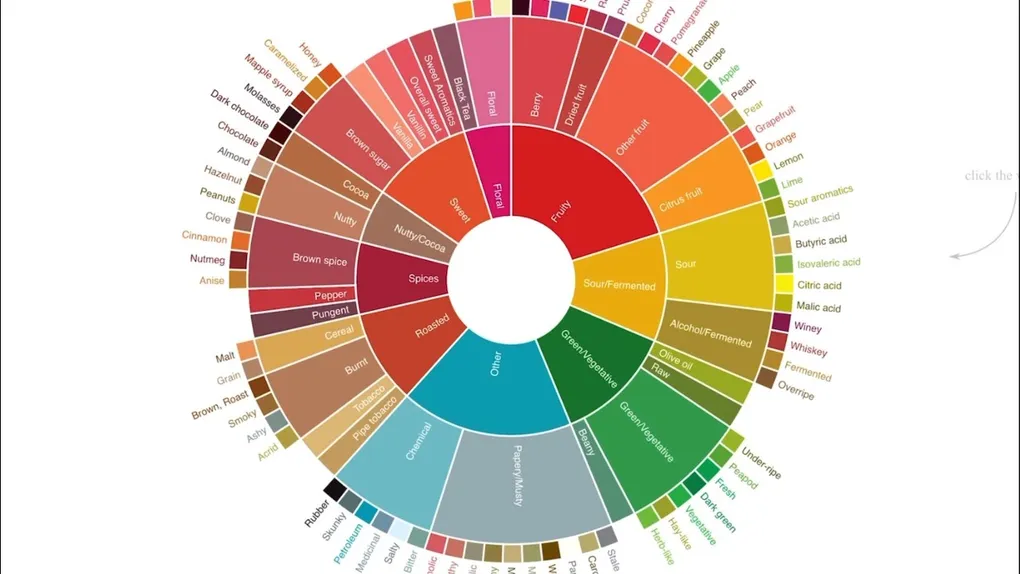
Roasters generally use a standardized set of descriptors for the different flavor notes their coffees feature. The Specialty Coffee Association (SCA) organized these descriptors on the SCA Flavor Wheel, which has become the industry standard reference.
The wheel has three levels of granularity:
- Center ring — the most general descriptors: spices, roasted, sweet, fruity
- Middle ring — more specific subcategories
- Outer rim — highly specific notes like cherry, cinnamon, or even pea pod
The general approach is to start at the center and work outward. For example, you might begin with “fruity,” then narrow to “other fruit” (ruling out berry and citrus), and finally land on “apple” as a specific flavor note.
Group 1: The Crowd Pleasers
Some flavor notes appeal to nearly everyone. The nutty/cocoa category is a prime example — hazelnut and chocolate notes are flavors you would be hard pressed to find anyone objecting to in their coffee.
Sweet notes also fall into this universally appealing category, including vanillin (which is actually more reminiscent of marshmallow or cotton candy than vanilla) and cereal notes, which pair particularly well with chocolatey or other sweet flavors.
If these sound appealing, try using a coffee recommender and selecting notes like milk chocolate and hazelnut. Immersion brewers like the French press tend to do especially well with these flavor profiles. A Brazil Peaberry is a classic match — expect notes of milk chocolate and hazelnut with a smooth, sweet finish.
Group 2: High Acidity (The Acquired Taste)
The high-acidity section of the wheel lives in the citrus fruit and sour territory. The sour category contains acidic notes like acetic or malic acid, while the citrus fruit category covers flavors people commonly associate with acidity — lemon, lime, grapefruit.
These flavors are more polarizing, but for those who enjoy them, they can be extraordinary. Pour over is an excellent brewing method for high-acidity coffees, and light roasts are essential — darker roasts tend to destroy the acidic flavors. Milk often does not pair well with acidic coffees, so consider drinking them black.
Look for coffees specifically described as having citrus acidity and set the acidity level to high when using coffee recommenders.
Group 3: The Unusual Notes
This section of the wheel includes woody, musty, and earthy notes. Many coffee drinkers initially assume these are undesirable, but coffees like Sumatra are actually prized for exactly these characteristics.
If you are curious about this flavor territory, Sumatran coffees are the place to start. The woody and earthy notes that define them are not defects — they are features of the origin and processing that many enthusiasts actively seek out.
Flavor Notes That May Indicate Problems
A few sections of the flavor wheel can signal that something went wrong with the coffee:
- Smoky or ashy — Sometimes these flavors are intentional and enjoyable, but if your coffee tastes like an ashtray, it is probably over-roasted.
- Petroleum or medicinal — These almost always indicate a processing error, usually involving a solvent problem, especially in decaffeinated coffees.
- Vegetative or underripe — Can suggest the beans were picked before they were ripe, or that the coffee was under-roasted.
Putting It Into Practice
The flavor wheel is not just a reference poster for your kitchen wall — it is a practical tool. Next time you are shopping for coffee, identify which section of the wheel appeals to you most, use a coffee recommender to narrow your options, and match your brewing method to the flavor profile you are after. Immersion brewing for sweet and nutty. Pour over for bright and acidic. And keep an open mind about the earthy and unusual — you might find your next favorite coffee in the section you least expected.