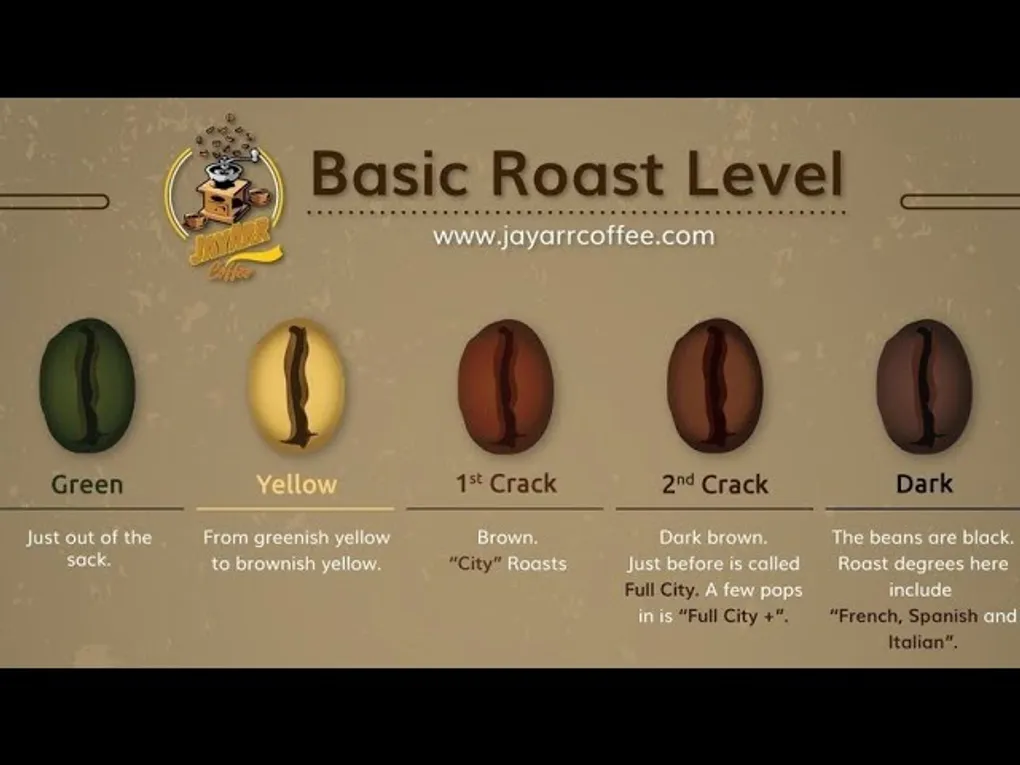
Green coffee beans are almost flavorless — nothing more than a faint vegetable taste. Yet freshly roasted coffee is intoxicating, evocative, and delicious. So how exactly does this transformation happen? Understanding the roasting process is key to appreciating what ends up in your cup.
The Art and Science of Coffee Roasting
Highly praised coffee roasters around the world tend to be self-trained, having mastered the art through trial and error. Every roaster develops their own aesthetic philosophy and style. They know how to reproduce the drinks they enjoy, but even experienced professionals don’t always fully understand every complexity of the roasting process.
The goal of roasting is to strike a balance between sweetness, bitterness, and acidity. How a roaster manages time and temperature determines where the final cup lands on that spectrum.
Roast Speed: Slow vs. Fast
Slow roasts, taking between 14 and 20 minutes, lead to greater weight loss in the beans. They usually produce a higher-quality cup with lower acidity, though potentially more bitterness. On the other hand, a quick roast can take around 90 seconds and typically produces a more acidic, less bitter cup.
The best roasters find the sweet spot where coffee is at its sweetest relative to its roasting time, producing either an acidic-but-sweet beverage or a muted-but-sweet cup. With finer coffees, considerable care is taken to perfect the techniques necessary for a bean to reach its full potential.
The Roast Profile: Stage by Stage
The roast profile refers to the critical stages during roasting. Most roasters carefully track their profiles, allowing them to reproduce consistent results through control of time and temperature.
Drying phase: Green coffee beans contain between 7% and 11% water and must be dried first, or they won’t brown properly. This evaporation process normally takes around three minutes, with very little change in smell or appearance.
Browning reactions: Once dry, browning begins. At this stage the outside of the bean may look adequately roasted, but the inside is still undercooked. The coffee has an unpleasant mix of bitterness and a grassy, sour flavor.
First crack: As browning accelerates, water vapor and gas build up within the bean. Once pressure reaches a critical level, the bean breaks open with a popping sound and roughly doubles in volume. This is where coffee flavors truly begin to develop.
Second crack: Beans crack a second time with a snappier noise. At this point, oils are pushed to the bean surface and much of the acidity is lost. A different flavor develops — sometimes called a “generic roast flavor” — typically a byproduct of burning or charring rather than the coffee’s intrinsic flavors.
Dark Roasts and Cooling
Darker roasts, often labeled as Italian or French roast, are generally black and high in bitterness and body. Once roasting is finished, the coffee must be cooled quickly to halt the process and prevent baked or negative flavors from developing.
For small batches, cooling trays rapidly draw air across the beans. For large batches, air alone isn’t sufficient, so a water mist is sprayed to speed things up. However, some companies use excess water during this stage, which increases the coffee weight but reduces shelf life.
Roasting Coffee at Home
Roasting coffee at home can be a fun process, though achieving commercial-quality results is challenging. Many companies now sell raw coffee online, but keep in mind that raw coffee degrades over time and won’t yield the same flavors as fresh green beans.
Just about anything capable of producing heat can be used — everyday ovens or woks will work in a pinch. Heat guns or modified popcorn machines generally produce better results, but the best outcomes come from dedicated home roasting machines.