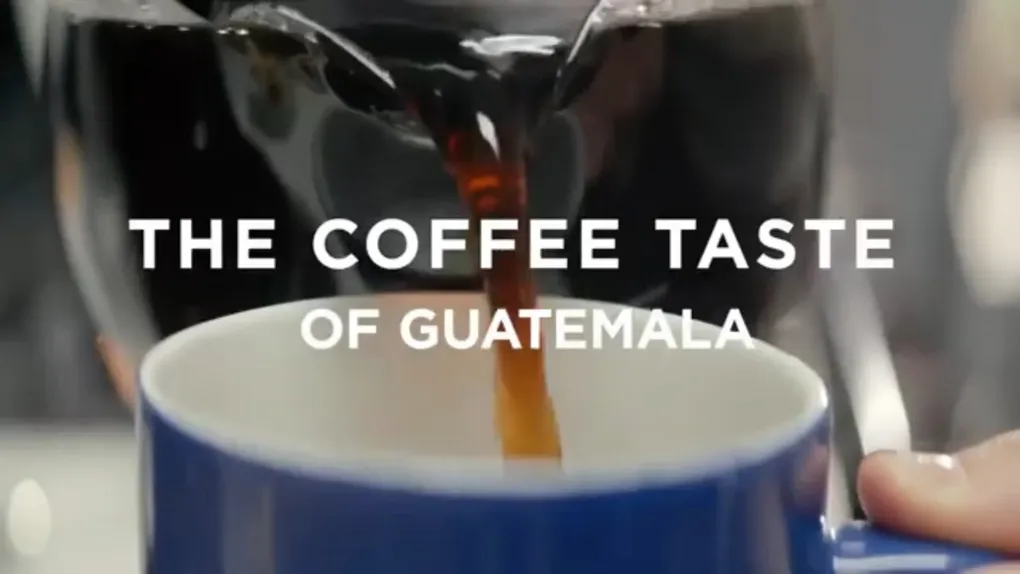
If you’ve never experienced Guatemalan coffee, you’re in for a treat. With 125,000 coffee producers farming across 300 different microclimates and eight distinct growing regions, Guatemala offers some of the most diverse and complex coffee in the world. Here’s everything you need to know about what makes it special, how the regions differ, and which coffees are worth your money.
What Does Guatemalan Coffee Taste Like?
Your experience will vary between cups, but generally you can expect:
- Full-bodied with complex flavors
- Floral, fruity, and spicy aromas
- Hints of chocolate, fruit, and nuts
- Relatively high acidity with bright, tangy zests
The unique flavor is due in part to Guatemala’s terrain and climate. Coffee farms tend to be located at higher altitudes, often cut into the side of a mountain or situated on a plateau, contributing to that characteristic acidity. The country’s warm climate, high rainfall, and fertile soil provide an ideal environment for high-quality beans. But credit also belongs to Guatemala’s farmers, whose care and devotion to their craft shows in every cup.
Guatemala’s Eight Coffee Growing Regions
Antigua
Located west of Guatemala City and virtually surrounded by volcanoes, Antigua is likely the first region that springs to mind for coffee connoisseurs. Its abundance of fertile volcanic soil and low-humidity climate are ideal for rich, full-flavored beans. Genuine Antiguan coffee typically features mild sweetness, chocolate flavor, and apple-like acidity.
One caveat: Antigua’s popularity has led growers from other areas to ship beans there to classify them as Antigua — a practice the Antiguan Growers’ Association is working to stamp out.
Atitlan
Home to the gorgeous Lake Atitlan, this region sits in the Sierra Madre mountain range near the Pacific coast. High rainfall and the protection of surrounding mountains allow temperatures to cool slightly, developing more complex flavors. Atitlan farmers have perfected environmentally friendly techniques that leverage the region’s geography. The resulting coffee is full-bodied with a floral, somewhat spicy taste.
Coban Rainforest
A relatively remote region at the center of Guatemala, Coban is a subtropical rainforest with steady year-round rainfall. Coffee beans here grow in limestone and clay soil, receive little direct sunlight, and develop in colder temperatures. The result is a medium-bodied, bright, and less acidic cup than other Guatemalan regions.
Fraijanes Plateau
South of Guatemala City, the Fraijanes Plateau is characterized by wider temperature variation and abundant sunshine, contributing to an almost sun-dried quality. The beans benefit from fertile volcanic soil and periodic dustings of volcanic ash from the nearby active volcano Pacaya. Finding Fraijanes coffee in the United States is rare, but if you manage to get some, expect a bouquet of sweet smells and complex flavors.
Highland Huehuetenango
Positioned along the Mexican border, Huehuetenango is Guatemala’s highest, driest, and most remote coffee-growing region. Notably non-volcanic, its subtropical climate allows farmers to produce a range of specialty beans with a mildly acidic, wine-like flavor.
Nuevo Oriente
Near Honduras in eastern Guatemala, Nuevo Oriente sits along a volcanic range heavy in clay. One of the oldest growing regions, small-scale farmers have been producing top-quality beans here since the 1800s. Expect a particularly strong aroma, high acidity, and a full-bodied cup.
San Marcos
In the far west, San Marcos is a mountainous region with microclimates heavily influenced by the Pacific Ocean. Heavy rainfall, heat, humidity, and volcanoes each contribute to the quality here. San Marcos beans have a characteristic acidic bite reminiscent of lime, often coupled with floral aromas and notes of cocoa.
West Valley (Acatenango)
The eighth region rounds out Guatemala’s diverse coffee landscape, each microclimate adding yet another dimension to the country’s remarkable range of flavors.
Best Guatemalan Coffees Reviewed
We tasted and rated a selection of Guatemalan coffees available online. Here’s how they stacked up.
Cat and Cloud Guatemala Los Cedros — 4.7/5 (Best Overall)
Cat and Cloud, a Santa Cruz-based roaster started by regional and national Brewers Cup and Barista Championship winners, has something truly special here. Through washed processing, this coffee retains the desirable chocolatey, nutty flavors characteristic of Guatemalan coffees while successfully marrying them to more exotic notes like tangerine. It pairs extremely well with a morning pastry or evening dessert. This is a coffee we fully recommend.
Starbucks Guatemala Antigua — 4.2/5
Best described as a crowd pleaser. The dominant chocolate and nut notes aren’t particularly adventurous, but the coffee is a low-risk option for anyone looking to explore Guatemalan beans. It has a relatively buttery texture with a clean, crisp finish. High acidity up front gets muted mid-palate by the bolder notes of a darker roast. Widely available and makes a great everyday cup.
Bilux’s Red Pakamara — 4.1/5
The Pakamara variety originated in El Salvador but quickly spread throughout Central America. Bilux, a small Georgia roaster, offers a great auction-lot Red Pakamara with bright acidity and a subtle but interesting wine-like quality alongside notes of chocolate and fruit. A great entry point for anyone new to the Pakamara bean.
Volcanica Guatemala Antigua — 4.0/5
A rich, sophisticated, and smooth-bodied experience with a pleasant, robust aroma. Roasted fresh to order, these beans deliver a balanced combination of chocolate and nut flavors without being overly sweet. A solid baseline for what to expect from Guatemalan coffee generally.
Pablo’s Pride — 3.8/5
Don Pablo works with many growers of top-quality beans in Latin America through their certified organic facility. This GMO-free, 100% natural Arabica has a clean finish and incredibly smooth texture with notes of caramel and cocoa. One of the only blends we considered, and the positive experience makes it worth trying.
Two Volcanoes — 3.8/5
A U.S. roaster specializing in Guatemalan coffee, Two Volcanoes represents the high standards of San Marcos while bringing its own twist. Nuts dominate the flavor with reduced acidity and unique floral hints. A low-tone, pleasant coffee that’s very easy to drink.
Out of the Grey Guatemala Asobagri Huehuetenango — 3.5/5
Produced in Asobagri, a coffee-growing cooperative in Huehuetenango, this organic and fair-trade offering features unusual flavors of blood orange, coconut, and jasmine. Opinions will vary on whether these diverse flavors tie together well — this is a love-it-or-hate-it coffee best suited to adventurous palates.
Java Planet Guatemala Organic — 2.8/5
Despite its dedication to eco-friendly and chemical-free processing (which makes it a consideration for sensitive stomachs), we found this coffee a bit flat and stale-tasting. The notes of chocolate, caramel, and fruit were typical but not particularly interesting. Probably one you can pass on.
Some links above are affiliate links. If you purchase through them, we earn a small commission at no extra cost to you.